Staying Safe in Panama
1. Introduction & Country Overview
Panama is a narrow isthmus connecting Central and South America, and home to one of the world’s most famous engineering marvels — the Panama Canal. The country is also a major financial hub, a growing tourist destination, and a melting pot of cultures. From the colonial streets of Casco Viejo in Panama City to the pristine islands of Bocas del Toro and the highland villages of Boquete, Panama offers an extraordinary range of experiences for travelers.
With a GDP significantly higher than its Central American neighbors and a dollarized economy using the US dollar (Balboa), Panama is generally more developed than surrounding countries. However, inequality is pronounced — Panama City has ultra-modern skyscrapers and luxury malls adjacent to impoverished neighborhoods with high crime rates. Tourists who understand this dynamic and apply appropriate caution will find Panama a rewarding, mostly safe destination.
Panama City is the most visited destination, followed by Bocas del Toro, Boquete, the Azuero Peninsula, and the San Blas Islands. Each area has a distinct safety profile covered in this guide.
| ⚠ Darien Gap — DO NOT ENTER The Darien Gap, the roadless jungle region bordering Colombia, is one of the most dangerous places in the Western Hemisphere. It is controlled by armed criminal groups, drug traffickers, and paramilitaries. Multiple tourists attempting to cross the Darien have been kidnapped, robbed, and killed. Under no circumstances should tourists attempt to traverse the Darien Gap. This warning is absolute. |
2. Understanding the Security Landscape
2.1 Overall Safety Rating
Panama City has a higher violent crime rate than Costa Rica but is considered safer than Guatemala City, San Salvador, or Tegucigalpa. The main tourist areas of Panama City — Casco Viejo, Miraflores, Amador Causeway, and Punta Pacifica — are generally safe for tourists exercising normal precautions. The city’s dangerous neighborhoods are well-defined and avoidable.
2.2 Types of Crime Affecting Tourists
- Pickpocketing & Bag Snatching: The most common crime against tourists. High risk in Casco Viejo’s less-patrolled streets, public buses, and markets.
- Street Robbery: Armed muggings occur in high-risk neighborhoods, particularly at night.
- Express Kidnapping: Express kidnappings (forced ATM withdrawals) have been reported in Panama City’s outskirts.
- Car Break-ins: Vehicle break-ins are common in parking areas. Never leave valuables visible in cars.
- Gang Violence: Drug-related gang violence is concentrated in specific neighborhoods (see Section 3).
2.3 Drug Trafficking
Panama’s geographic position makes it a major transit country for cocaine moving from South America to North America and Europe. This contributes to gang activity and violence in certain neighborhoods. Tourists are not typically targets of drug organizations but can be affected by proximity to their operations. The Darien region, Caribbean coastal areas near the Colombian border, and parts of Colon are particularly affected.
3. Safe Areas vs. Areas to Avoid
3.1 Panama City — Safe Tourist Areas
- Casco Viejo (Casco Antiguo): UNESCO World Heritage Site. Beautiful colonial architecture, restaurants, boutique hotels, and a growing arts scene. Well-patrolled by police. However, stray into side streets or venture beyond the tourist perimeter after dark with caution.
- Marbella, San Francisco & Punta Pacifica: Upscale residential and commercial area with international restaurants, malls, and the Business District. Very safe for tourists.
- Amador Causeway (Calzada de Amador): Modern, safe area with the Biomuseo, walking paths, and views of the canal. Popular for evening walks.
- Albrook: Home to Albrook Mall and the domestic airport. Safe and convenient for transit.
3.2 Panama City — Areas to Avoid
- El Chorrillo: Historically one of the most dangerous neighborhoods in Latin America. Extremely high crime, gang activity, and drug trade. Tourists should avoid it entirely.
- Santa Ana / Curundú: High crime rates, drug activity, and gang violence. Not a tourist area.
- Albrook Bus Terminal Surroundings (at night): The area immediately around the main bus terminal is high-risk for theft. Transit quickly and do not linger.
| ⚠ Colon — Exercise Maximum Caution Colon, the city at the Caribbean entrance to the Panama Canal, has one of the highest violent crime rates in Latin America. Tourists visiting the Canal’s Caribbean locks should arrange transportation directly and avoid the city itself. Do not walk the streets of Colon under any circumstances. |
3.3 Bocas del Toro
The Caribbean archipelago of Bocas del Toro is a backpacker favorite with gorgeous islands, clear water, and vibrant nightlife. Crime is relatively low but petty theft (especially from beaches and unlocked accommodations) occurs regularly. Avoid isolated beaches alone, take only licensed water taxis, and be aware that nightlife in Bocas Town can get rowdy — stay in well-lit, populated areas and watch your drinks.
3.4 Boquete & Chiriqui Highlands
Boquete is one of the safest destinations in Panama. This highland coffee town attracts retirees and eco-tourists. Crime rates are very low. Standard travel precautions apply. Some hiking trails in Volcan Baru are remote — always hike with a guide or let someone know your route.
3.5 San Blas Islands (Guna Yala)
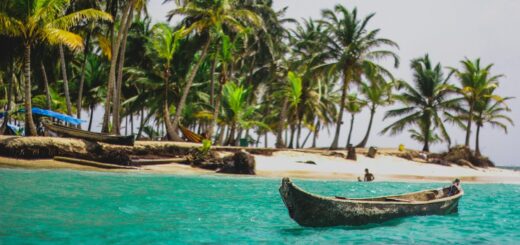
The San Blas archipelago is governed by the indigenous Guna people and is one of the most unique destinations in the Americas. Crime is very rare here. However, the sea crossings to reach the islands can be dangerous — boats are often small and weather conditions unpredictable. Only travel with licensed operators and check weather before crossing.
3.6 Darien Province
Outside the national park boundaries (accessible only by air to specific lodges), the Darien Province is extremely dangerous. See the warning above. Under no circumstances should tourists attempt to cross the Darien on foot, by vehicle, or by river.
4. Transportation Safety
4.1 Taxis
Panama City taxis are typically yellow and do not use meters — fares are negotiated before you enter. Always agree on the price before starting the journey. Uber and InDriver operate in Panama City and are generally safer options than hailing street taxis, as drivers are registered and routes are logged. At Tocumen International Airport, use only the official taxi booths inside the terminal.
4.2 Buses (City & Inter-Provincial)
Panama City’s Metro Bus system (red buses) is generally safe during daytime. Avoid rush-hour buses with extreme crowding — prime pickpocket conditions. Keep your bag in front of you. Inter-provincial buses (‘diablos rojos’ — old US school buses — have been replaced by modern coaches on most routes) are affordable. For long-distance travel, use established companies like Terminales David or Albrook’s official departures.
4.3 The Panama Metro
Panama City has a clean, modern metro system (Lines 1 and 2). It is generally safe and an excellent way to avoid traffic. Be vigilant in crowded trains during rush hour.
4.4 Water Taxis & Boats
Water taxis are essential for San Blas, Bocas del Toro, and Pearl Islands. Only use licensed operators. Verify that life jackets are available. Caribbean crossings to San Blas from Carti can be rough — choose a calm weather day and trust your operator’s judgment about conditions.
4.5 Road Safety
Panama’s main highways (Pan-American Highway, Inter-American) are generally well-maintained. Rural roads can be poor. Driving at night outside of the city is not recommended — livestock, unmarked obstacles, and lack of lighting create hazards. Panama has strict DUI laws (0.08% BAC limit).
5. Health & Medical Safety
5.1 Medical Facilities
Panama City has excellent private hospitals with English-speaking staff. Hospital Nacional, Hospital Punta Pacifica (affiliated with Johns Hopkins), and Centro Medico Paitilla are the top recommendations for tourists needing medical care. Outside of Panama City, facilities diminish rapidly — in Bocas del Toro or the Darien, medical care is very basic. Travel insurance with evacuation cover is essential.
5.2 Vaccinations
Recommended vaccinations for Panama include Hepatitis A, Hepatitis B, Typhoid, and routine vaccinations. Yellow Fever vaccination is required if arriving from a country with Yellow Fever risk. Malaria risk exists in Bocas del Toro, the Darien, and indigenous comarca regions — take prophylaxis if visiting these areas. Dengue is present throughout the country — use DEET repellent diligently.
5.3 Water & Food Safety
Tap water in Panama City is safe to drink. In rural areas and islands, drink bottled water. Food safety is generally good in established restaurants — exercise caution with street food in less-developed areas. Avoid raw shellfish unless at high-quality establishments.
5.4 Heat & Sun
Panama is hot and humid year-round, sitting near the equator. Heat stroke and dehydration are real risks. Drink 2–3 liters of water daily, use SPF 50+ sunscreen, and rest during the midday heat. The Caribbean coast (Bocas del Toro) receives significantly more rainfall than the Pacific side — be prepared for sudden, heavy downpours year-round.
6. Natural Disasters & Environmental Hazards
6.1 Earthquakes
Panama is seismically active, particularly in Chiriqui province near the Costa Rican border. Earthquakes of moderate intensity occur periodically. Know earthquake safety procedures: drop, cover, hold on. Follow instructions from local authorities after major events.
6.2 Flooding & Landslides
Panama has two distinct seasons: dry (mid-December to mid-April) and rainy (mid-April to mid-December). The rainy season brings intense daily rainfall, particularly on the Caribbean side, which can receive over 3,000 mm of rain annually. Flash flooding of roads is common. In Bocas del Toro, continuous rain can make sea crossings dangerous.
6.3 Ocean Hazards
Pacific beaches can have strong currents and rip tides, particularly near river mouths and during the rainy season. Beaches in Panama are not consistently monitored by lifeguards. Ask locals about safe swimming areas. Jellyfish and stingrays are present — shuffle your feet when entering the water.
6.4 Wildlife
Panama has a remarkable variety of wildlife including venomous snakes (fer-de-lance, terciopelo), crocodiles (in river mouths and mangroves), bullet ants, and various stinging insects. When hiking: wear closed-toe shoes, stay on trails, and consider a guide. In crocodile areas — particularly the Pacific coast river mouths and Gamboa — heed warning signs and do not wade into murky water.
7. Common Scams Targeting Tourists in Panama
7.1 Transportation Scams
| Scam Name | How It Works | How to Avoid It |
| Taxi Overcharge | Driver quotes or charges 3–5x the going rate to tourists unfamiliar with local fares. | Always negotiate and confirm the price before entering a taxi. Use Uber when possible. From Tocumen Airport to central Panama City should cost approximately $25–$35 USD by licensed taxi. |
| Airport Tout Taxis | Unlicensed drivers approach you aggressively outside arrivals offering rides. | Use only the official taxi/transport desks inside the terminal. |
| Wrong Change | Taxi drivers or small vendors give back incorrect change. | Use exact change when possible. Know current pricing for common routes. |
| Fake Tour Transport | A ‘shuttle’ collecting multiple passengers charges individually and overcharges each. | Book shuttle services through your hotel or a verified tour company only. |
7.2 Money & Currency Scams
| Scam Name | How It Works | How to Avoid It |
| ATM Skimming | Skimming devices attached to ATMs steal card data. | Use ATMs inside bank branches during business hours. Cover your PIN. Check for tampering before inserting card. |
| Counterfeit USD | Fake US dollars (especially $20, $50, $100 bills) given as change. | Check bills under light for security features. Large bills: use a counterfeit pen or UV light. |
| Street Money Exchange | Unauthorized changers offer good rates but cheat you. | Do not exchange money on the street. Use bank ATMs — Panama uses USD so exchange is rarely needed. |
7.3 Street & Tourist Scams
| Scam Name | How It Works | How to Avoid It |
| Casco Viejo ‘Guide’ | A friendly local offers to show you around Casco Viejo for free, then demands payment or leads you into a less safe area. | Hire only licensed guides through your hotel or established tour companies. |
| Distraction Theft | An accomplice engages you in conversation while another picks your pocket or grabs your bag. | Stay alert in tourist areas, especially near the cathedral and market in Casco Viejo. |
| Fake Police Officer | Someone impersonating police demands to see your wallet or documents and then takes cash. | Real police will not ask to inspect your wallet. Ask for the officer’s ID and badge. If unsure, insist on going to the nearest police station together. |
| Shell Game / Card Tricks | Street gambling games where tourists are invited to participate and inevitably lose money. | Never participate in street gambling or card games. |
| Gem / Jewelry Scam | Someone sells ‘precious’ stones or jewelry at a bargain. Items are worthless or fake. | Do not buy gems or jewelry from street vendors or unsolicited sellers. |
7.4 Accommodation & Tour Scams
| Scam Name | How It Works | How to Avoid It |
| Fake Canal Tour | Operators sell ‘private boat tours’ of the canal locks that are actually crowded, overpriced, and of poor quality. | Research Canal tours in advance. The Miraflores Visitor Center and Agua Clara are official, reputable options. |
| Unlicensed San Blas Operator | Unofficial operators sell San Blas packages with poor vessels, no safety equipment, and no insurance. | Only use licensed operators for San Blas. Ask for vessel registration and safety equipment. |
| Bogus Hotel ‘Deals’ | Fraudulent accommodations take deposits for properties that are misrepresented or don’t exist. | Book only through major platforms with verified reviews. |
| Timeshare Presentation | Free gifts or activities offered in exchange for attending a ‘brief’ presentation that becomes a high-pressure sales pitch. | Decline all offers requiring you to sit through a presentation. |
7.5 Digital Scams
| Scam Name | How It Works | How to Avoid It |
| Fake Wi-Fi | Criminals create fake hotspots in tourist areas to steal data. | Always verify the official network name with staff. Use a VPN. |
| Phishing by ‘Hotel’ | An email or WhatsApp message impersonating your hotel asks for credit card ‘reconfirmation’. | Never send payment information via messaging apps. Call the hotel directly to verify any such request. |
| SIM Card Fraud | Unofficial sellers provide cloned or compromised SIM cards. | Buy SIM cards only from official carrier stores (Claro, Movistar, +Movil). |
8. Legal Considerations for Tourists
- ID Requirement: Always carry a copy of your passport (leave the original in your hotel safe). Police ID checks do occur.
- Drug Laws: Possession of any illegal drug, including marijuana, is illegal and can result in arrest and imprisonment. Despite Panama’s modern image, drug laws are strictly enforced.
- Currency: Panama uses the US dollar alongside the Balboa — both are legal tender. This simplifies transactions and eliminates currency exchange risk.
- Child Protection Laws: Sex tourism involving minors is aggressively prosecuted. Panama has specific laws targeting foreigners engaging in sexual exploitation of children.
- LGBTQ+ Travelers: Same-sex relationships are legal in Panama but public displays of affection may attract unwanted attention in some areas.
- Photography: Be aware that the Miraflores Locks and Canal Zone area have restrictions on photography from certain angles. Follow posted signs.
9. Cultural Tips for Staying Safe
- Cultural Respect: Panamanians are proud of their diverse culture. Respectful, curious, and polite interaction goes a long way.
- Appropriate Dress: Dress modestly outside of tourist beach areas. Panama City is business-oriented — dress smartly in the city.
- Low Profile: Do not display expensive jewelry, cameras, or phones unnecessarily. Keep electronics in a bag when not in use.
- Basic Spanish: Learn key Spanish phrases: ‘Ayuda!’ (Help!), ‘Llame a la policia’ (Call the police), ‘Soy turista’ (I am a tourist).
- Climate Awareness: Panama City is very hot — plan outdoor activities for early morning or late afternoon. Siesta culture means many businesses close midday.
- Indigenous Areas: In indigenous communities (Guna, Embera, Ngobe-Bugle), always ask before photographing people. Respect local customs and pay fair prices for handicrafts.
10. Emergency Contacts & Resources
| Service | Number / Details |
| Emergency (Police, Fire, Ambulance) | 911 |
| SENAFRONT (National Border Service — for Darien concerns) | +507 527-7000 |
| Tourist Police (Policia de Turismo) | +507 270-2467 |
| Hospital Punta Pacifica (Panama City — private) | +507 204-8000 |
| Hospital Nacional (Panama City — private) | +507 207-8100 |
| Centro Medico Paitilla | +507 265-8800 |
| Red Cross Panama | +507 315-1388 |
| US Embassy in Panama City | +507 317-5000 |
| UK Embassy in Panama City | +507 269-0866 |
| Canadian Embassy in Panama City | +507 294-2500 |
| ATTT (Traffic Authority — road emergencies) | +507 315-5555 |
| Panama Tourism Authority (ATP) | +507 526-7000 |
| Fire Department (Bomberos) | 103 |
11. Quick Reference Safety Checklist
Before You Depart
- Purchase travel insurance covering medical evacuation and trip cancellation
- Check your government’s Panama travel advisory
- Register your trip with your embassy
- Copy your passport, insurance documents, and credit cards
- Notify your bank of travel dates
- Download Uber and offline Google Maps for Panama
- Research your hotel’s neighborhood
- Pack DEET insect repellent (dengue/malaria prevention)
- Consult a travel medicine specialist about malaria prophylaxis for Bocas/Darien areas
- Book any San Blas or canal tours with verified operators in advance
During Your Trip
- Use Uber or negotiate taxi prices before entering a cab
- Keep your bag in front of you in crowded areas and buses
- Store your passport in the hotel safe; carry a photocopy
- Do not visit Colon city, El Chorrillo, or Curundú
- Absolutely do not approach the Darien Gap
- Use ATMs inside bank branches during daytime
- Book tours through licensed operators only
- Never leave valuables in a rental car
- Check sea conditions before island boat trips
- Keep emergency numbers saved in your phone
| ✔ Final Note Panama is a fascinating crossroads of cultures, ecosystems, and history. With appropriate awareness and preparation, the vast majority of visitors explore it safely and return home with wonderful memories. Stay informed, stay alert, and enjoy the journey. |