Staying Safe in Guatemala
Guatemala is one of Central America’s most rewarding destinations — home to Mayan ruins wrapped in jungle, a string of colonial cities, volcanic highlands draped in fog, and one of the most visually stunning lakes on earth. But it is also a country with real safety challenges that require honest preparation.
This guide does not aim to frighten you away. It aims to give you the full picture so you can make smart decisions and come home with nothing but extraordinary memories.
| ⚠ IMPORTANT CONTEXT Guatemala is not uniformly dangerous. Many tourist areas — Antigua, Lake Atitlán, Flores, Tikal — are visited safely by hundreds of thousands of travellers each year. The risks are real but largely manageable with awareness, planning, and common sense. |
01 Understanding Risk by Region
Guatemala’s safety profile varies dramatically between tourist centres and other areas. The table below provides an at-a-glance overview of the destinations most visited by tourists:
| Region / Destination | Risk Level | Notes |
| Antigua Guatemala | LOW | Most popular tourist city; generally safe in central zones; pickpocketing exists |
| Lake Atitlán & Surroundings | LOW–MEDIUM | Boats can be risky; petty crime around docks; reputable operators recommended |
| Guatemala City (Zone 1, 10) | MEDIUM | Stick to Zones 1 & 10; Zones 3, 6, 18 are high-risk; take taxis/apps always |
| Guatemala City (outer zones) | HIGH | Gang activity; tourists should avoid entirely |
| Chichicastenango | LOW–MEDIUM | Crowded market days attract pickpockets; hold bags close |
| Semuc Champey / Cobán | LOW | Remote but generally safe; travel in groups; road quality is poor |
| Flores & Tikal | LOW | Calm tourist towns; safe for most travellers |
| Pacific Coast (Monterrico) | LOW–MEDIUM | Rip currents are a major hazard; petty theft on beach |
| Petén Border Regions | MEDIUM–HIGH | Drug trafficking routes; avoid overnight travel |
| Huehuetenango / Rural West | MEDIUM | Road banditry reported; travel during daylight only |
Always cross-reference with your government’s travel advisory (US State Department, UK FCDO, Australian DFAT) before travel, as conditions evolve. Advisories are updated regularly and provide state-level granularity.
02 Common Tourist Scams — Know Before You Go
Guatemala’s scam ecosystem is less elaborate than some neighbouring countries but no less impactful. The following are the most commonly reported incidents affecting tourists:
| 🚕 | Overcharging Tuk-Tuks & Taxis Tuk-tuks and taxis in Antigua, Chichicastenango, and lake towns frequently quote inflated prices to tourists — sometimes 3–5x the local rate. Some drivers take deliberately long routes or claim the destination is farther than it is. → TIP: Always negotiate and agree on the fare before getting in. Ask your hotel or guesthouse for a standard rate to common destinations before you leave. |
| 👮 | Fake Police Officers Individuals impersonating police officers approach tourists, demand to inspect wallets or bags for ‘counterfeit bills’ or ‘drugs,’ then steal cash or valuables in the process. This is reported in Guatemala City and occasionally in Antigua. → TIP: Real police do not perform on-the-spot wallet inspections. If approached, offer to walk to the nearest police station instead. Never hand over your wallet. |
| 🏪 | Market Overpricing & Aggressive Vendors In Chichicastenango market and craft markets in Antigua, vendors sometimes quote extremely high initial prices and use social pressure tactics to close sales. Some will handle your belongings or drape items on you to create a sense of obligation. → TIP: Be politely firm. Bargaining is expected and normal — start at 30–40% of the asking price. Walk away if you feel pressured; vendors will often call you back. |
| 💳 | ATM Skimming ATM skimming devices are found in Guatemala City, Antigua, and tourist towns. Compromised machines can capture card data and PINs. Some incidents have involved distraction techniques — a ‘helpful’ stranger approaches just as you use the ATM. → TIP: Use ATMs inside bank branches during daylight hours. Shield your PIN. Avoid ATMs that look tampered with (loose card reader, extra overlay). Inform your bank beforehand and check statements daily. |
| 🚣 | Unsafe Boat Operators on Lake Atitlán Lake Atitlán is subject to sudden, violent storms called xocomil. Some unlicensed boat operators run overloaded boats, lack life jackets, or operate in dangerous weather to turn a profit. Drownings have occurred. → TIP: Use only licensed lanchas with proper life jackets for all passengers. Do not board if the boat looks overloaded. Avoid crossing the lake after midday when storms are most likely. Ask your hotel which operators are reputable. |
| 🏨 | Guesthouse Bait-and-Switch Touts at bus stations in Antigua and Guatemala City claim to represent specific guesthouses, often showing cards or brochures. They lead tourists to inferior or unrelated establishments, collecting a commission without disclosure. → TIP: Book accommodation in advance through reputable platforms or your guesthouse’s official website. Ignore unsolicited offers from touts at transport hubs. |
| 🎫 | Unofficial Tour Guides at Ruins At Tikal and other archaeological sites, unofficial ‘guides’ approach tourists at the entrance offering cheap tours. Quality is unreliable, some steal from bags during the tour, and others massively overcharge at the end. → TIP: Book licensed guides through your accommodation or official INGUAT-registered operators. At Tikal, use guides from the official booth at the park entrance. |
| 🌐 | Fake Shuttle & Tour Booking Services In tourist areas, fake or low-quality shuttle companies sell seats on ‘direct’ routes that involve multiple painful transfers, hours of delays, or dangerous vehicles. Some collect money and simply don’t appear. → TIP: Use well-reviewed shuttle services such as Atrans or Martsam Travel. Check recent reviews on TripAdvisor or hostel noticeboards. Pay with caution to unverified operators. |
| 💰 | The ‘Broken’ Change Scam When paying in markets, restaurants, or small shops, some vendors claim they have no change for larger bills, then pressure you to overpay or accept goods you didn’t want. Others shortchange deliberately in the confusion of a busy market. → TIP: Carry small denomination Quetzales (Q10, Q20, Q50 notes). Count your change immediately and before leaving the transaction. |
| 📸 | Photography Extortion In some indigenous villages and markets, locals — sometimes including children — allow photos to be taken then aggressively demand payment, sometimes surrounding the tourist with a group. → TIP: Always ask permission before photographing people. Have small denomination coins ready if you agree to pay. In villages with known no-photography customs (some near Lake Atitlán), respect those customs entirely. |
| 🚌 | Chicken Bus Theft Local chicken buses (repurposed US school buses) are an authentic and affordable way to travel, but they are prime environments for pickpockets. Overhead racks and crowded aisles create opportunities for bag slitting and theft. → TIP: Use a daypack worn on your front. Do not put valuables in overhead racks. Keep your bag between your feet if possible. Avoid chicken buses at night. |
| 🏔️ | Unofficial Volcano Trek Guides Volcanoes including Pacaya, Acatenango, and Santiaguito attract trekkers. Unofficial guides sometimes offer cut-price tours, but robberies on volcano trails — including armed assaults — have been reported, particularly on lesser-patrolled routes. → TIP: Always book volcano treks through INGUAT-registered operators or reputable adventure companies. Inquire whether the route includes armed security escorts, which are now standard on popular routes. |
03 Day-to-Day Safety Practices
On the Street
- Dress down. Leave expensive jewellery, luxury watches, and designer bags at home or in your hotel safe. Understated clothing reduces your profile as a target.
- Keep your phone invisible. Smartphone snatching is extremely common. Use your phone quickly and put it away. Never stand on a street corner with your phone out while consulting maps.
- Carry a split wallet. Keep only the cash you need for the day on your person. Store the majority of cash, your passport, and backup cards in your hotel safe.
- Avoid walking after dark in unfamiliar areas. Even in Antigua, night-time muggings on quieter streets are reported. Stick to well-lit, populated streets or take a tuk-tuk even for short distances.
- Walk purposefully. Looking lost and consulting paper maps or phones on the street flags you as a tourist. Study routes before leaving; use offline maps discreetly.
- Be aware of motorbike robbery. Drive-by bag snatching from motorcycles is common in Guatemala City and occurs in other towns. Walk away from the kerb. Carry bags on the inner shoulder.
Transportation
- Use app-based transport in Guatemala City. Uber operates in Guatemala City and is significantly safer than hailing a street taxi. InDriver is also widely available.
- In other towns, use hotel-arranged taxis. Ask your accommodation to call a trusted taxi rather than flagging one on the street, especially after dark.
- Chicken buses are fine during the day with precautions. See the scam section above. They are a genuine and enjoyable part of the Guatemala experience when used carefully.
- Tourist shuttles are the safest intercity option. Comfortable minivans running tourist routes (Antigua–Atitlán, Antigua–Flores, etc.) are recommended over local buses for longer journeys.
- Avoid all road travel after dark. Road conditions are poor, signage is limited, and banditry on rural roads has been reported after dark. Plan arrivals for daylight hours.
- Rental cars carry specific risks. Driving in Guatemala City is extremely chaotic. Rental cars can be targeted for theft. If you drive, use a GPS, keep doors locked, and never leave anything visible inside.
| In Guatemala, how and when you travel matters as much as where you travel. Daylight movement on well-travelled routes reduces risk dramatically. |
Money & Cards
- The Guatemalan Quetzal (GTQ) is the local currency. US dollars are accepted in many tourist areas but often at poor exchange rates. Have Quetzales for most transactions.
- Best ATM strategy: Use ATMs inside bank branches (Banco Industrial, Banrural, BAC Credomatic) during daylight. Set a low daily limit to minimise exposure from ATM-related crime.
- Notify your bank before travelling and request the ability to use cards abroad. Consider a backup card kept separately from your primary card.
- Credit card fraud exists. Be cautious using cards in small, non-tourist establishments. Contactless payments are safer than chip-and-pin in higher-risk environments.
- Keep Q500–Q1000 in small notes for daily use — street food, markets, tuk-tuks — as large-denomination change is routinely unavailable.
Accommodation Safety
- Use the in-room safe for your passport, spare cash, cards, and electronics you’re not carrying. Photograph your passport and store the copy in cloud storage.
- Verify your accommodation is in a safe zone before booking. In Guatemala City, ensure you are staying in Zone 10 (Zona Viva) or Zone 1 near the historic centre. Zones 3, 6, and 18 are high-risk.
- Check recent reviews specifically for safety. Hostelworld, Booking.com, and TripAdvisor reviews often contain practical safety comments from recent travellers.
- Don’t open your door to unexpected visitors. Call reception to verify if someone claiming to be hotel staff knocks unannounced.
04 Health & Food Safety
Guatemala’s food — from street tamales to market stalls of fresh fruit — is one of the great pleasures of visiting. With a few precautions, it is largely safe to enjoy.
- Never drink tap water. This applies universally across Guatemala, including in Antigua and Guatemala City. Use bottled water (agua pura) for drinking and brushing teeth. Many hotels and hostels have water dispensers.
- Ice is a variable risk. In tourist restaurants, ice is usually purified. In remote areas or local comedores, it may not be. When in doubt, ask for drinks without ice (sin hielo).
- Street food is generally safe when hot and fresh. Look for high-turnover stalls with long local queues. Tamales, tostadas, and fresh fruit from reputable stands are usually fine. Avoid anything sitting out for long periods.
- Traveller’s diarrhoea is common. Pack oral rehydration salts and consider carrying Azithromycin or Ciprofloxacin (prescribed by your GP before travel) for moderate to severe cases.
- Altitude awareness is important. Antigua sits at 1,500m; Guatemala City at 1,500m; the highlands around Lake Atitlán at up to 3,000m+. Mild altitude sickness can affect new arrivals. Stay hydrated, rest on day one, and ascend gradually if trekking.
- Vaccinations to discuss with your GP: Hepatitis A, Typhoid, Tetanus-Diphtheria, and Rabies (if visiting rural areas) are commonly recommended. Yellow Fever certificate may be required if arriving from endemic countries.
- Malaria and Dengue exist in lowland areas. Petén department (Tikal area) and Pacific coastal lowlands carry malaria risk. Use DEET-based insect repellent, sleep under mosquito nets where available, and discuss antimalarial medication with your GP.
- Sunburn and dehydration. The equatorial sun is intense even at high altitude. Use SPF 50+ sunscreen, wear a hat, and drink more water than you think you need — especially during volcano treks.
- Medical facilities: Antigua and Guatemala City have private hospitals with adequate care for most emergencies. Remote areas have very limited facilities. Travel insurance with medical evacuation coverage is essential.
05 Natural Hazards — A Guatemala-Specific Risk
Unlike many destinations, Guatemala presents a distinct set of natural hazards that tourists must be aware of. These are not rare occurrences — they are part of the geographical reality of travelling here.
Volcanoes
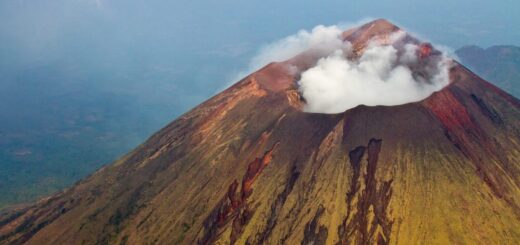
- Guatemala has 37 volcanoes, four of which are active. Fuego, Santiaguito, Pacaya, and Tajumulco can have sudden activity changes. Check volcano activity reports (INSIVUMEH: insivumeh.gob.gt) before any ascent.
- Never attempt an unofficial or solo ascent. Even on active volcanoes open to the public, always go with a registered guide and verify whether the route is considered safe on the day of your visit.
- Fuego erupted fatally in 2018 killing over 200 people. The area around Fuego has restricted zones — respect all closures absolutely.
Earthquakes
- Guatemala sits on three tectonic plates. Earthquakes are common and can be severe. Know the emergency procedure at your accommodation. Stay away from windows during tremors. Move to open ground if shaking is strong.
Lake Atitlán — Xocomil Winds
- The xocomil is a sudden, powerful afternoon wind that can whip the lake into dangerous conditions with little warning. Most boat operators stop crossings after noon. Do not pressure operators to sail in bad conditions.
- Swimming in the lake carries riptide risk in certain areas. Ask locals which areas are safe for swimming before entering the water.
Pacific & Atlantic Coasts
- Rip currents on the Pacific coast (Monterrico, El Paredon) are severe and drownings occur every year. Never swim alone. Heed local warnings. The Pacific surf is powerful and unpredictable.
- Hurricane season (June–November) brings flooding and landslide risk, particularly in the highlands. Monitor weather forecasts and have contingency plans for road closures.
06 Cultural Awareness That Keeps You Safer
Guatemala is home to over 20 distinct Maya linguistic communities alongside Ladino (mixed heritage) and other groups. Cultural sensitivity is not only respectful — it actively contributes to your safety and reception by local communities.
- Photography and indigenous communities. Many Maya communities have strong feelings about photography. Always ask first. Never photograph religious ceremonies without explicit permission. In some villages near Lake Atitlán, photography of locals is actively resisted.
- Dress codes at religious sites. Cover shoulders and knees when entering churches, ceremonies, or highland villages. A light scarf or sarong carried at all times solves this instantly.
- Basic Spanish is highly valuable. Unlike Mexico, English is less widely spoken outside of tourist hubs. Even rudimentary Spanish greatly improves safety — you can ask for help, negotiate, and communicate in an emergency.
- Respect protests and roadblocks. Political demonstrations and community roadblocks (tranques) occur regularly throughout Guatemala. Do not attempt to drive through them. Wait patiently or seek an alternative route.
- Do not discuss domestic politics with strangers. Guatemala has a fraught political landscape. Well-intentioned conversations can escalate unexpectedly.
- Be cautious about solo trekking in rural areas. The concept of a solo tourist wandering remote trails is culturally conspicuous and can attract unwanted attention. Trek in groups, with guides, and tell your accommodation your plans.
- Child safety awareness. Child vendors and beggars are common in tourist areas. Giving money directly to children perpetuates cycles of exploitation. Instead, support recognised community organisations.
- LGBTQ+ travellers. Guatemala is a predominantly Catholic and conservative society. Public displays of affection may attract hostility outside of select venues in Guatemala City. Exercise discretion in smaller towns and rural areas.
07 If Something Goes Wrong
Despite all precautions, incidents can happen. Knowing what to do in advance means you respond effectively rather than panic.
- If robbed, do not resist. This is the single most important rule. Hand over cash and valuables calmly. Your life and safety are worth infinitely more than your belongings.
- POLITUR is the dedicated tourist police force. Dial 1500 to reach POLITUR, who are trained to assist tourists, speak some English, and handle tourist incident reports. They are far more useful than regular police for documentation purposes.
- File a denuncia for insurance claims. A police report (denuncia) is required by all travel insurers for loss or theft claims. POLITUR can assist with this. You can also visit the Ministerio Público.
- Contact your embassy immediately for passport theft. Most embassies can issue emergency travel documents within 24–48 hours. Keep a digital copy of your passport in cloud storage at all times.
- Keep your insurer’s emergency line saved in your phone. Travel insurance emergency lines operate 24/7 and can coordinate hospital admission, evacuation, and crisis support.
- Share your itinerary with someone at home and agree on a check-in schedule. If you miss a check-in, they should know to contact your embassy.
- Hospital recommendation in Antigua: Hospital Privado Hermano Pedro is the most recommended private hospital for tourists in Antigua. In Guatemala City, Hospital Centro Médico is widely used by expatriates.
| EMERGENCY NUMBERS IN GUATEMALA |
| Emergency (all) 110 / 911 Police, ambulance, fire Tourist Police (POLITUR) 1500 Dedicated tourist assistance Red Cross 2381-0626 Medical emergencies INGUAT Helpline 1500 Tourism institute hotline |
Buen Viaje
Guatemala rewards those who arrive prepared with experiences they carry for a lifetime.
This guide reflects general conditions as of March 2026. Always verify current advisories with your government’s official travel portal. This document is not a substitute for official guidance.