Staying Safe in EL SALVADOR
1. Introduction & Country Overview
El Salvador is the smallest and most densely populated country in Central America, yet it packs in dramatic volcanic landscapes, world-class surf breaks, colonial towns, Mayan ruins, and one of the most dramatically evolving security situations in the region. Once notorious for gang violence so severe that it topped global homicide charts, El Salvador has undergone a remarkable and widely discussed security transformation under President Nayib Bukele’s government, beginning in 2022.
Under ‘Plan Control Territorial’ and a subsequent state of exception declared in March 2022, El Salvador launched mass incarceration of gang members (MS-13 and Barrio 18). Homicide rates plummeted from over 100 per 100,000 population (2015) to under 8 per 100,000 by 2023-2024 — among the lowest in the Americas. Thousands of gang members have been arrested, and formerly dangerous neighborhoods have become noticeably calmer.
However, the security transformation is recent, conditions remain fluid, and human rights organizations have documented concerns about wrongful arrests and detentions of innocent civilians. Tourists must still exercise caution — particularly outside of well-known tourist circuits — and should stay updated on current advisories. El Salvador offers tremendous rewards for well-prepared visitors: incredible surf, accessible beaches, stunning volcanoes, and genuinely welcoming people.
| ⚠ Changing Security Landscape — Stay Current El Salvador’s security situation has changed rapidly since 2022. This guide reflects conditions as of early 2025, but you MUST check your government’s official travel advisory immediately before departure, as conditions can shift. The US State Department and UK FCDO regularly update their El Salvador advisories. |
2. Understanding the Security Landscape
2.1 Historical Context
El Salvador’s gang crisis grew from deportations of Central American gang members from the United States in the 1990s and early 2000s. MS-13 (Mara Salvatrucha) and Barrio 18 established territory across the country, extorting businesses, controlling neighborhoods, and recruiting youth. At their peak (2015–2016), El Salvador recorded over 6,600 murders in a single year — the highest homicide rate in the world outside of active war zones.
2.2 Post-2022 Security Transformation
The government’s 2022 crackdown resulted in over 75,000 arrests (as of 2024), a new maximum-security prison housing over 40,000 inmates (CECOT), and a dramatic reduction in visible gang activity. Tourist areas previously considered off-limits have reopened. However, some experts warn that the underlying socioeconomic causes of gang culture have not been fully addressed, and the future trajectory is uncertain.
2.3 Remaining Risks
- Petty Theft: Petty theft targeting tourists remains common in markets, bus stations, and crowded areas.
- Extortion: Extortion of businesses continues at reduced levels — avoid getting involved in any local disputes.
- Border Areas: Some rural border areas remain higher risk. Avoid isolated areas, especially near the Honduras and Guatemala borders.
- Road Accidents: Road safety remains poor — accidents are a significant cause of tourist injury.
3. Safe Areas vs. Areas to Avoid
3.1 San Salvador — The Capital
San Salvador has improved significantly since 2022. Tourist-friendly areas now include:
- Zona Rosa & Escalon: Upscale area with excellent restaurants, malls (Multiplaza, Metrocentro), boutique hotels, and nightlife. Generally considered safe for tourists.
- Historic Center (Centro Historico): The historic center has been revitalized significantly under Bukele’s administration. Daylight visits with awareness are now feasible, though it remains less appropriate for solo late-night wandering.
- Colonia San Benito: Upscale residential area with good restaurants and a relaxed atmosphere.
3.2 Areas Still Requiring Extra Caution in San Salvador
- Peripheral Neighborhoods: Some peripheral neighborhoods still have residual gang influence. Avoid Mejicanos, Soyapango, Ilopango, and Ciudad Delgado for unguided wandering.
- Terminal de Oriente / Terminal de Occidente: Bus terminal areas remain high-risk for pickpocketing regardless of gang crackdowns.
3.3 El Tunco, El Zonte & Pacific Surf Coast
The surf towns along the Pacific Coast — El Tunco, El Zonte (famous as ‘Bitcoin Beach’), El Sunzal, and El Cuco — are among El Salvador’s most popular tourist destinations and are considered relatively safe. El Zonte has a strong international community. Standard precautions apply: do not leave valuables unattended on the beach, avoid isolated beach walks at night, and stay in reputable accommodation.
3.4 Suchitoto
This charming colonial town north of San Salvador is a popular day trip and overnight destination. It has a growing tourist infrastructure and is considered safe. It is home to festivals, galleries, and a beautiful lake (Suchitlan). Hire a local guide for boat excursions on the lake.
3.5 Santa Ana & Cerro Verde / Izalco / Santa Ana Volcano
Santa Ana is El Salvador’s second city. The city itself is navigable for daytime tourism. The nearby volcanic national park (Cerro Verde) is stunning. Always hike with a licensed guide — solo hiking is not recommended on these volcanoes.
3.6 La Palma & Northern Highlands
La Palma, known for its colorful folk art, is a charming village in the Chalatenango highlands. It is considered safe and is popular with Salvadoran families. The road from San Salvador is well-maintained. Areas near the Honduran border require more caution — check advisories before traveling to remote northern areas.
| ⚠ Northern & Eastern Border Areas Areas near the Guatemalan, Honduran, and particularly remote eastern border zones retain elevated risk profiles. Check current advisories before traveling to Morazan, La Union (port area), and areas bordering Honduras. |
4. Transportation Safety
4.1 Taxis
Official taxis in San Salvador are yellow. Always negotiate the price before entering — taxis do not use meters. Uber operates in San Salvador and is strongly recommended for safer, trackable travel. Do not hail taxis from the street, particularly at night. Use radio taxis or Uber.
4.2 Buses
El Salvador’s extensive public bus network is cheap but presents pickpocket risks. Keep bags secure on your lap. Inter-city buses on main routes are generally acceptable during daylight. Avoid local chicken buses in the capital with bulky luggage. For surf towns, tourist shuttles from San Salvador are safer than local buses.
4.3 Driving
Self-driving in El Salvador has become more feasible since 2022. Rental cars are available in San Salvador. Drive during daylight hours only. The Pan-American Highway (CA-1) and coastal highway (CA-2) are in reasonable condition. Be alert for animals on rural roads, unmarked speed bumps (rompe velocidades), and potholes. Keep car doors locked in urban areas. Do not stop for strangers on rural roads.
4.4 Airport
El Salvador International Airport (Monsenor Oscar Arnulfo Romero y Galdamez) is located in Comalapa, about 44 km from San Salvador. Use official airport taxis or pre-arranged hotel transportation. The ride to central San Salvador takes 45–60 minutes.
5. Health & Medical Safety
5.1 Medical Facilities
San Salvador has adequate private hospitals for most medical needs. Hospital Diagnostico, Hospital de la Mujer, and Centro Medico provide good care. In surf towns and rural areas, facilities are very limited. Comprehensive travel insurance with medical evacuation coverage is essential.
5.2 Vaccinations & Disease Risks
Recommended vaccines: Hepatitis A, Hepatitis B, Typhoid, Tetanus, and routine vaccinations. Dengue fever is the primary mosquito-borne disease concern — use DEET repellent aggressively. Dengue has had notable outbreaks in El Salvador. Zika and Chikungunya are also present. Malaria risk is low in tourist areas but consult a travel medicine doctor for rural or remote visits.
5.3 Water & Food
Do not drink tap water in El Salvador. Stick to bottled or purified water, including for brushing teeth when in rural areas. Food from reputable restaurants is generally safe. Street food is popular but choose busy, hygienic vendors. Pupusas (El Salvador’s national dish) are typically safe and delicious — enjoy them at busy comedores.
5.4 Heat & Environment
El Salvador is hot and humid at lower elevations. Hydrate constantly, use sunscreen, and be aware of heat exhaustion symptoms during hiking or outdoor activities. Volcanic hikes involve altitude — pace yourself.
6. Natural Hazards
6.1 Volcanoes
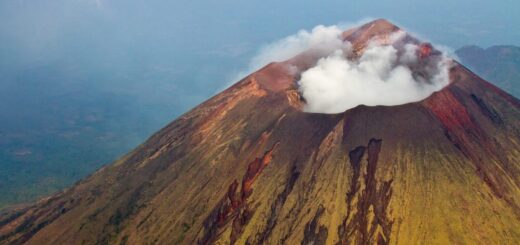
El Salvador has 23 volcanoes, five of which are considered active (Santa Ana/Ilamatepec, San Miguel/Chaparrastique, Izalco, Chinchontepec, San Salvador). Check the Ministry of Environment (MARN) and SNET for current volcanic activity alerts before hiking. San Miguel volcano erupted in 2013; Santa Ana in 2005. Follow official closures strictly.
6.2 Earthquakes
El Salvador is one of the most seismically active countries in Central America. Major earthquakes struck in 1986, 2001, and regularly since. Know earthquake procedures. In 2001, earthquakes killed over 1,000 people and destroyed hundreds of thousands of homes. After tremors, move to open ground and beware of aftershocks.
6.3 Hurricanes & Flooding
Hurricane season (June–November) affects El Salvador. Tropical storms and associated flooding and landslides can be severe. Monitor weather forecasts during this period. Flash flooding in river valleys and landslides on mountain roads have killed tourists. Do not attempt to cross flooded roads.
6.4 Ocean Currents
El Salvador’s Pacific beaches are known for powerful waves — ideal for experienced surfers but dangerous for casual swimmers. Rip currents are common. Non-swimmers and beginners should stay close to shore and swim only at designated areas with local guidance.
7. Common Scams Targeting Tourists in El Salvador
7.1 Transportation Scams
| Scam Name | How It Works | How to Avoid It |
| Taxi Overcharge | Drivers charge tourists inflated rates, sometimes 5–10x the fair price. | Agree on price before entering. Use Uber where possible. Standard fare from airport to Zone Rosa is approximately $25–30. |
| Fake Taxi | Unlicensed vehicles pose as taxis and overcharge or rob passengers. | Use only yellow official taxis or Uber. Do not accept rides from strangers. |
| Bus Station Pickpockets | Organized pickpocket teams operate at Terminal de Oriente and Terminal de Occidente. | Keep bags in front of you, minimize valuables when using terminals. |
7.2 Money Scams
| Scam Name | How It Works | How to Avoid It |
| ATM Skimming | Skimming devices installed at ATMs steal card data. | Use ATMs inside bank branches during daylight hours. Cover your PIN. |
| Wrong Change | Vendors or taxi drivers give incorrect change, especially for large bills. | Always count your change. Use small bills when possible. |
| Street Exchange | Street money changers offer good rates for dollars but defraud tourists. | El Salvador uses USD — currency exchange is not needed. Avoid all street changers. |
7.3 Tourist Scams
| Scam Name | How It Works | How to Avoid It |
| Unofficial Beach ‘Guides’ | Someone approaches offering to show you the best spots, then demands exorbitant fees or creates a threatening situation. | Use only guides recommended by your hotel or official tour operators. |
| Surf Lesson Scam | A ‘surf instructor’ charges upfront for lessons or equipment rental, then disappears with your money. | Use established surf schools with physical premises in El Tunco or El Zonte. Read reviews. |
| Fake Police | Individuals in police-like clothing demand to check your belongings and steal from you. | Real police do not demand to inspect your wallet. Ask for badge ID and proceed to a police station if concerned. |
| Overpriced Tour Packages | Agencies in tourist areas sell overpriced tours for activities easily organized independently or cheaper elsewhere. | Research prices online and compare. Ask at your hotel. |
| Charity Scam | Children or adults solicit donations for fake causes near tourist sites. | Do not give cash to strangers. Donate to verified organizations. |
7.4 Accommodation & Digital Scams
| Scam Name | How It Works | How to Avoid It |
| Fake Surf Resort Listings | Attractive surf hostel or villa listings on unofficial platforms take deposits for non-existent properties. | Book only through verified platforms. Confirm with the property directly by phone/video. |
| Fake Wi-Fi | Free hotspots near surf towns used to steal data. | Verify network names with venue staff. Use a VPN on all networks. |
| Bitcoin/Crypto Scam (El Zonte) | El Salvador adopted Bitcoin as legal tender. Scammers exploit tourist curiosity about crypto with fake exchanges or investment schemes. | Only use the official Chivo Wallet or established exchanges. Never give your seed phrase or private keys to anyone. |
8. Legal Considerations for Tourists
- Currency: El Salvador uses the US Dollar as official currency. No currency exchange needed from USD.
- State of Exception: The state of exception (in force since 2022) gives police enhanced powers of arrest and detention. While tourists are not typically targeted, maintain proper identification at all times.
- ID Documents: Carry a photocopy of your passport. The original should be in your hotel safe.
- Drug Laws: Drug possession is illegal and penalties are severe. Do not use or carry any illegal substances.
- Child Protection: El Salvador has laws protecting minors from sexual exploitation. Violations are prosecuted aggressively.
- Bitcoin Legal Tender: Bitcoin is legal tender alongside USD. Merchants are required to accept it if you offer to pay in Bitcoin.
9. Cultural Tips for Staying Safe
- Cultural Respect: Salvadorans are proud and resilient people who have endured significant hardship. Showing respect and curiosity about their culture will be warmly received.
- Sensitive Topics: Avoid discussing gang politics or the government’s security crackdown in public — opinions vary widely and some topics can be sensitive.
- Dress: Dress modestly in towns and cities. Beach attire is fine on the coast.
- Spanish Phrases: Learn basic Spanish: ‘Policia’ (police), ‘Ayuda’ (help), ‘Donde esta el hospital?’ (where is the hospital?).
- Food Culture: Salvadoran food is incredible — pupusas, yuca frita, sopa de pata. Embrace local cuisine at busy, well-regarded places.
- Surf Etiquette: The surf community in El Tunco and El Zonte is tight-knit and welcoming. Respectful behavior around local surfers and communities will make your experience much richer.
10. Emergency Contacts & Resources
| Service | Number / Details |
| Emergency (Police, Fire, Ambulance) | 911 |
| National Civil Police (PNC) | 911 |
| Tourist Police (POLITUR) | +503 2510-9477 |
| Hospital Diagnostico (San Salvador — private) | +503 2226-8888 |
| Hospital de la Mujer | +503 2263-0700 |
| Cruz Roja (Red Cross El Salvador) | 2222-5155 |
| US Embassy in San Salvador | +503 2501-2999 |
| UK Honorary Consul in San Salvador | +503 2263-6516 |
| Canadian Embassy (in Guatemala City — for Salvadorans) | +502 2363-4348 |
| Ministry of Environment & SNET (natural hazards) | +503 2211-1112 |
| CORSATUR (Tourism Authority) | +503 2241-3200 |
11. Quick Reference Safety Checklist
Before You Depart
- Check your government’s El Salvador travel advisory (updated frequently)
- Purchase travel insurance with medical evacuation
- Register your trip with your embassy
- Copy passport, insurance documents, and credit cards
- Set up Uber on your phone
- Download offline Google Maps for El Salvador
- Research accommodation in safe zones (Zona Rosa, Escalon, surf towns)
- Pack DEET insect repellent for dengue prevention
- Carry small denomination USD bills
- Research current volcanic activity if planning volcano hikes
During Your Trip
- Use Uber or pre-negotiated taxis only
- Keep bags secure at all times in public
- Leave passport in hotel safe; carry a photocopy
- Do not walk alone at night in unfamiliar areas
- Do not swim alone or in unflagged ocean areas
- Use ATMs inside bank branches only
- Book guides and tours through licensed operators
- Do not use or carry drugs of any kind
- Monitor MARN and SNET for volcanic/weather alerts
- Register your whereabouts with hotel staff when hiking
| ✔ El Salvador is Rising El Salvador is one of the most fascinating turnaround stories in travel. Surfers, adventurers, and cultural travelers are discovering this small country’s extraordinary beauty and warm hospitality. Come prepared, stay informed, and you are very likely to leave with a deep appreciation for El Salvador. |