How to Stay Safe in Zambia
1. Introduction
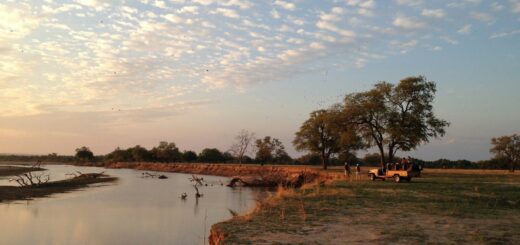
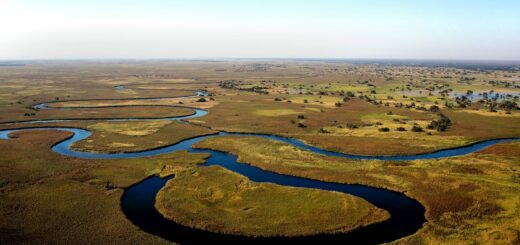
Zambia is one of sub-Saharan Africa’s most underrated safari destinations—a vast, landlocked country in south-central Africa that has prioritised wildlife conservation over mass tourism, resulting in some of the continent’s most authentic wilderness experiences. The country is home to Victoria Falls (shared with Zimbabwe), South Luangwa National Park (considered one of the finest walking safari destinations in the world), Lower Zambezi National Park, Kafue National Park (one of Africa’s largest), Liuwa Plain (famous for the second-largest wildebeest migration in Africa), and the Bangweulu Wetlands (home to the endemic black lechwe and shoebill stork).
Zambia has been politically stable since independence in 1964—a multi-party democracy with peaceful transfers of power, most recently in 2021 when Hakainde Hichilema was elected president. Most Western governments rate Zambia as ‘exercise a high degree of caution,’ primarily due to crime rather than conflict. The country is safe enough for well-prepared tourists and offers an extraordinary wilderness experience with fewer crowds than Kenya or Tanzania.
| ✔ Walking Safaris: Zambia pioneered the walking safari—following wildlife on foot with an armed professional guide is an incomparable experience. South Luangwa in particular is the world capital of walking safaris. If you visit, make sure you include at least one multi-day walking safari. |
2. Security Landscape
Lusaka, the capital, has a significant urban crime problem. Mugging, bag snatching, carjacking, and pickpocketing are all documented, particularly in the city centre (Cairo Road area), around bus stations (Intercity Bus Terminus), and in some suburbs at night. The Kalingalinga, Matero, and Chibolya areas are higher risk. More affluent areas like Kabulonga, Woodlands, and Rhodespark are comparatively safer but still require precautions.
Livingstone, the gateway to Victoria Falls, has tourist-targeted crime—aggressive touts near the Falls entrance, theft on the Zambian side of the bridge, and mugging on isolated paths. The town centre has petty crime. The luxury safari camps within the national parks are very safe by contrast. Crime in rural safari areas is very low—the main risks are wildlife-related.
| ⚠ Lusaka Night Movement: Do not walk alone after dark in Lusaka under any circumstances. Muggings of pedestrians are common throughout the city at night. Use only trusted taxi services or hotel transport for all evening movement. Even in affluent suburbs, walking at night is inadvisable. |
3. Safe vs. Risky Areas
Generally Safe for Tourists
South Luangwa National Park (Mfuwe): Well-managed, professional lodge environment. Lower Zambezi National Park: Excellent lodges with strong security. Livingstone and Victoria Falls (daytime with precautions): Main tourist area, manageable in daylight. Kafue National Park: Remote but professionally managed lodges. Lusaka (Kabulonga, Woodlands districts, daytime): International hotels and residences.
Exercise Extra Caution
Lusaka city centre (Cairo Road): Bag snatching and pickpocketing prevalent. Intercity Bus Terminus: Highly congested, prime theft location. Livingstone town centre at night: Avoid on foot. Isolated paths near Victoria Falls: Robbery risk, particularly near viewpoints away from main crowds.
| ⚠ Victoria Falls Paths: Some viewpoint paths on the Zambian side of Victoria Falls are isolated and have been the scene of muggings. Avoid going alone to remote viewpoints. Use the guided park entrance routes and stay with other tourists or hire a trusted local guide. |
4. Victoria Falls: Essential Guide
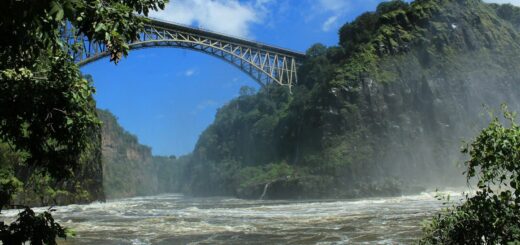
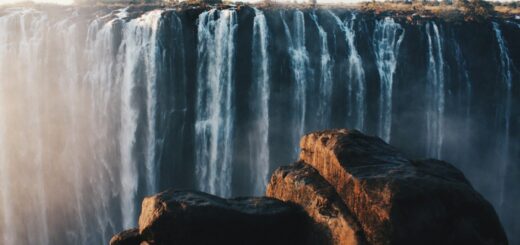
Victoria Falls (‘Mosi-oa-Tunya’—the Smoke that Thunders) is one of the world’s greatest natural spectacles—the world’s largest sheet of falling water at 1.7km wide and up to 108m high. The Falls can be accessed from both Zambia (Livingstone) and Zimbabwe (Victoria Falls town). The Zambian side offers closer views of the main falls and the famous Devil’s Pool (a natural rock pool at the edge of the falls, swimmable in dry season). The Zimbabwean side offers a longer panoramic view.
Activities based at Victoria Falls include white water rafting on the Zambezi (Grade 5 rapids—world-class but serious; choose reputable operators with safety records), bungee jumping from the Victoria Falls Bridge, microlight flights, helicopter flips over the Falls, sunset cruises, and guided game walks. The spray from the falls creates a permanent rainforest microclimate—bring waterproof gear when visiting in flood season (February–May).
| ✔ Devil’s Pool: Devil’s Pool—the natural rock pool at the very lip of the Victoria Falls—is one of the world’s most extraordinary swimming experiences. It is only accessible and safe during the low water season (September–December) when the current is manageable. Book through Tongabezi Lodge or other registered operators only. |
5. Transportation Safety
Roads in Zambia are in variable condition. The Great East Road (Lusaka to Chipata/Mfuwe), the Great North Road, and the road to Livingstone are paved and generally functional, though with potholes and poor maintenance in sections. Roads to the national parks (particularly Kafue and Liuwa Plain) are often dirt tracks requiring 4WD, especially in the rainy season (November–April). Self-drive safaris in Zambia require 4WD experience and emergency supplies.
Zambia Airways and proflight connect Lusaka to Livingstone, Mfuwe (South Luangwa), Kasama, Ndola, and other destinations. Small charter aircraft (Proflight, CR Aviation) serve remote lodges. Kenneth Kaunda International Airport in Lusaka has international connections to Johannesburg, Nairobi, Addis Ababa, London, and Dubai. Flying is strongly recommended over long road journeys, both for safety and efficiency. Night driving is strongly discouraged—wildlife, livestock, and pedestrians on roads pose serious hazards.
| ⚠ Rainy Season Roads: The Zambian rainy season (November–April) makes many park and rural roads impassable—including some routes to Kafue and Liuwa Plain. Several safari camps close during this period. Plan travel in the dry season (May–October) for optimal access and game viewing. |
6. Health & Medical Safety
Malaria is endemic throughout Zambia—antimalarial medication is strongly recommended for all visitors. The risk is year-round but peaks during the rainy season. Yellow fever vaccination is required if arriving from endemic countries. Typhoid, cholera (particularly in urban and flood-affected areas), hepatitis A and B, meningitis, and bilharzia (schistosomiasis in river and lake environments) are all present risks.
Medical facilities in Lusaka include several private hospitals: Levy Mwanawasa University Teaching Hospital, the Lusaka Trust Hospital, and Care for Business Medical Centre, which provide reasonable care. In Livingstone, Livingstone Central Hospital and some private clinics are available. In the national parks, lodge-based first aid is the only option—medical evacuation to Lusaka or Johannesburg is required for serious illness. MARS (Medical Air Rescue Service) and other air evacuation services cover park areas.
Do not swim in the Zambezi River outside of specifically cleared and supervised locations like Devil’s Pool—the river has strong currents, hippos, and crocodiles (including very large Nile crocodiles). River-edge walks must always be conducted with awareness of hippo and crocodile presence.
| ⚠ Zambezi River Hazards: The Zambezi has one of Africa’s highest concentrations of hippos and Nile crocodiles. Never approach the river’s edge without a professional guide. Do not swim except in specifically authorised locations. Hippos kill more people than any other large animal in Africa, and crocodile attacks in the Zambezi are documented. |
7. Common Scams & How to Avoid Them
| Scam Name | How It Works | How to Avoid It |
| Livingstone Craft Market Aggressive Selling | Vendors at the Livingstone Curio Market and near the Falls entrance follow tourists relentlessly, placing items in hands and demanding payment, or applying peer pressure through feigned offence when tourists walk away. | Maintain a firm, polite ‘no thank you’ from the outset. Do not accept items placed in your hands. Make a decision to buy only at shops where you initiate the transaction. Once you show interest, the pressure intensifies—walk away decisively. |
| Fake Victoria Falls ‘Guide’ | Individuals near the Falls entrance claim to be official guides or park rangers, offering to show ‘secret’ viewpoints for a fee. Some lead tourists to isolated areas where robbery occurs. | Buy your official park entry ticket at the gate. Official guides wear park-issued vests and ID. Do not follow anyone who approaches you outside the official entrance. Book licensed guides through your accommodation. |
| Lusaka Taxi Overcharging | Taxis without metres charge tourists multiple times the local fare, particularly from the airport and hotels. | Use Zambia-based app-based taxis (InDriver is widely used) or pre-arrange hotel transport. Ask your hotel for current standard fare estimates for your likely routes before taking a taxi. |
| Currency Exchange Shortchanging | Zambian Kwacha (ZMW) is unfamiliar to most tourists. Street and market changers exploit this with fast counting and palming notes. | Exchange money only at official bank branches or hotel exchange desks. Count all notes yourself before completing any transaction. |
| White Water Rafting Bait-and-Switch | Unofficial operators near the Victoria Falls bridge offer rafting trips at far below the standard rate, then deliver inadequate safety equipment, untrained guides, and substandard equipment. | Book rafting only through established, reputable operators: Bundu Adventures, Shearwater, or Safari Par Excellence—all with strong safety records and proper certification. The Zambezi Grade 5 rapids demand professional standards. |
| Hotel ‘Transfer’ Scam | Individuals at Lusaka or Livingstone airports claim your arranged transport has been cancelled and offer a ‘replacement service’ at inflated prices. | Confirm your hotel pickup with the accommodation directly before travel. If a stranger claims your transfer has changed, call your hotel immediately to verify before getting into any vehicle. |
| ATM Skimming in Lusaka | Card skimming devices have been found on ATMs in Lusaka, particularly in less-monitored locations. | Use bank-branch ATMs during banking hours. Shield your PIN carefully. Monitor your account daily for unauthorised transactions. Use contactless payments where accepted. |
| Border Crossing Facilitation Fees | At busy land border crossings—particularly Chirundu (Zimbabwe), Kazungula (Botswana/Zimbabwe), and Nakonde (Tanzania)—officials hint at unofficial payments to expedite processing. | Know the official fees before arriving at any border. Request official receipts for all payments. Remain patient and polite; delays are often used as leverage to extract informal payments. |
| National Park ‘Permit’ Fraud | Unofficial individuals near park entrances claim to sell permits or priority access at discounted prices. | Purchase all park entry permits only at official ZAWA (Zambia Wildlife Authority) gates. Carry exact change as change-giving can be imprecise. |
8. Wildlife Safety in National Parks
Zambia’s national parks offer genuinely wild, immersive wildlife experiences—but this requires understanding and respecting wildlife behaviour. Walking safaris involve genuine risk managed by armed professional guides—follow all instructions immediately and without question. Never walk ahead of your guide, never run from wildlife, and never make sudden movements when a guide signals a stop.
Elephant encounters at close range require stillness and calm. Lions are ambush predators—maintain vehicle doors and keep noise down when near them. Hippos are the most dangerous animal in Zambia—never walk between a hippo and water, as this triggers defensive charges. Buffalo are unpredictable and have gored and killed hunters and guides; give them wide berth.
| ⚠ Camp Perimeter Safety: In unfenced bush camps, animals freely enter the camp at night. Never leave your tent or chalet after dark without radioing for a camp escort. Hippos, elephants, lions, and leopards have all walked through safari camps. This is not theatre—it is genuine wilderness. |
| ✔ Walking Safari Protocol: Your walking safari guide will brief you on protocols before departure: walk in single file, maintain silence, freeze on command, and never run. If you have questions or concerns about your fitness or comfort level, discuss them with the guide before setting off. Walking safaris are extraordinarily rewarding but require participants to follow professional guidance exactly. |
9. Legal Considerations
Zambia’s legal system is based on English common law. Homosexuality is illegal in Zambia (up to 15 years imprisonment) and the law is occasionally enforced; LGBTQ+ tourists must exercise extreme discretion. Drug possession and trafficking carry severe penalties. Photographing military installations, government buildings, the President’s residences, and State House is prohibited. Wildlife laws are exceptionally strict—illegal wildlife trade and poaching carry heavy sentences, and the anti-poaching regime is robust.
Zambia has a strong tradition of press freedom relative to neighbours, though criticism of senior officials can attract legal attention. The current political environment under President Hichilema is more open than previous administrations. Carry a copy of your passport at all times; the original should be secured in your hotel safe.
10. Cultural Awareness & Etiquette
Zambia has 73 distinct ethnic groups speaking numerous Bantu languages. Bemba is the most widely spoken language, while Nyanja is common in Lusaka and Tonga in the south. English is the official language and is widely spoken in cities and tourist areas. Zambians are generally very friendly and hospitable—taking time to greet properly before any transaction or conversation is important culturally.
Christian faith is central to Zambian social life—Zambia is constitutionally declared a Christian nation. Sunday church services are a major community institution. Dress modestly when visiting religious sites. Gift-giving etiquette in traditional communities involves presenting gifts with both hands or the right hand supported by the left wrist as a sign of respect.
| ✔ Local Cuisine: Try nshima (thick maize porridge, the Zambian staple), served with relishes of kapenta (dried lake fish), beans, vegetables, and various meat preparations. Eating nshima with your hands in a traditional setting is perfectly acceptable and appreciated. The cultural experience of sharing a meal with Zambian hosts is genuinely warm and memorable. |
11. Emergency Contacts
| Service | Number / Info |
| Police Emergency | 999 or 991 |
| Fire & Ambulance | 993 |
| Lusaka Trust Hospital | +260 211 253 957 |
| Care for Business Medical (Lusaka) | +260 211 256 916 |
| Livingstone Central Hospital | +260 213 321 461 |
| US Embassy Lusaka | +260 211 357 000 |
| British High Commission Lusaka | +260 211 423 200 |
| MARS Air Rescue Zambia | +260 977 770 025 |
| ZAWA National Parks Headquarters | +260 211 278 367 |
| Proflight Zambia (domestic flights) | +260 211 271 032 |
12. Pre-Departure Safety Checklist
- Check current travel advisory for Zambia
- Obtain Yellow Fever vaccination if required by your origin country
- Begin antimalarial medication before departure—malaria is serious in Zambia
- Purchase comprehensive travel insurance with medical evacuation coverage
- Consider MARS Air Rescue membership for national park travel
- Book safari camps and activities well in advance (dry season books out months ahead)
- Arrange airport transport through your hotel—do not use touts at the airport
- Carry USD and ZMW Kwacha cash—ATM access is limited in park areas
- Download offline maps for Lusaka and your planned park routes
- Register with your embassy before travel
- Do not swim in the Zambezi except in specifically authorised locations
- Pack high-quality insect repellent (DEET-based), sunscreen, and a comprehensive first-aid kit
- For self-drive park travel: take a 4WD with extra fuel, two spare tyres, and emergency supplies
- Brief a trusted contact with your itinerary and expected check-in times