How to Stay Safe in Vietnam
Introduction
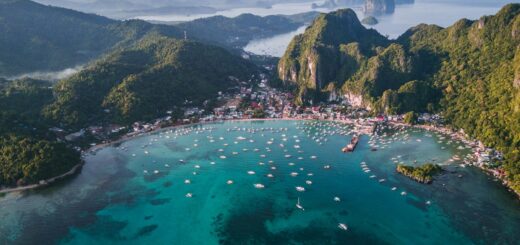
Vietnam is one of Southeast Asia’s most captivating and popular destinations — a country of extraordinary natural beauty, from the emerald waters of Ha Long Bay and the terraced rice paddies of Sa Pa to the ancient town of Hoi An and the white-sand beaches of Phu Quoc. It receives over 12 million international tourists annually. Vietnam is generally safe for tourists; violent crime against foreigners is rare. However, several persistent scams, chaotic traffic, tropical health risks, and the potential for natural disasters require careful preparation. This guide provides everything you need to visit Vietnam confidently.
Security Landscape
Vietnam is a one-party state governed by the Communist Party. Political demonstrations and criticism of the government are prohibited. For tourists, this is rarely a concern, as the country is stable and welcoming to foreign visitors. The primary safety risks are petty theft (snatch thefts on motorbikes are the most common crime against tourists), traffic injuries, and health issues.
Relations with China remain a source of periodic tension, particularly over disputed islands in the South China Sea (Hoang Sa/Paracel and Truong Sa/Spratly). These disputes do not currently affect mainland tourist safety, but occasional anti-China sentiment can flare up.
Safe and Risky Areas
Hanoi (capital), Ho Chi Minh City (Saigon), Hoi An, Da Nang, Nha Trang, Hue, and Ha Long Bay are all popular with tourists and generally safe. Phu Quoc Island has rapidly developed into a sophisticated resort destination. The Central Highlands (Dalat, Buon Ma Thuot) and northern mountains (Sa Pa, Ha Giang) are beautiful and safe for adventure travellers.
The China border provinces (Lang Son, Lao Cai) are accessible but require some awareness of border zone regulations. Areas near the Laos and Cambodia borders are generally safe but remote. Avoid isolated areas after dark, particularly in the far north and north-west.
| WARNING — Motorbike Snatch Theft: Ho Chi Minh City and Hanoi have high rates of drive-by bag snatching from motorbikes. Thieves grab bags, phones, cameras, or jewellery from pedestrians or even moving vehicles. Always carry bags on the side away from the road; use inside pockets for phones and wallets in busy streets. |
Transportation Safety
Traffic in Vietnamese cities is notoriously chaotic, with millions of motorbikes. Road traffic accidents are among the leading causes of tourist death in Vietnam. To cross a street safely, walk slowly and steadily at a constant pace — drivers will flow around you. Never run or stop suddenly.
The overnight sleeper train (especially the SE line from Hanoi to Ho Chi Minh City) is a classic experience and relatively safe; book soft sleeper berths through reputable agents or the VNR website. Buses are widely used; opt for reputable brands like Phuong Trang, Hoang Long, or Sinh Tourist over unknown operators.
| WARNING — Motorbike Rental Safety: Riding a motorbike without a valid licence is technically illegal and will void travel insurance in the event of an accident. If you choose to ride, wear a helmet at all times (required by law), drive defensively, and avoid night driving on rural roads. Fatal accidents among tourist riders are common. |
| TIP — Grab App: The Grab ride-hailing app is the safest, most transparent option for motorbike taxis (GrabBike) and cars (GrabCar) in all major cities. Fares are fixed upfront and drivers are rated. This eliminates the most common taxi and xe om (motorbike taxi) scams. |
Health and Medical Safety
Vietnam requires no vaccinations for entry, but travellers from countries with yellow fever risk must show proof of vaccination. Recommended vaccinations include Hepatitis A and B, typhoid, Japanese encephalitis (for rural/long-stay visits), and rabies (for adventure travellers).
Dengue fever is endemic throughout Vietnam, peaking in the rainy season (May–November in the south; September–November in the north). Use DEET-based insect repellent and wear long sleeves at dawn and dusk. Malaria risk is low in most tourist areas but present in remote highland regions; consult your doctor.
Food safety: Vietnamese street food is generally safe if freshly cooked and hot. Avoid ice in drinks outside reputable restaurants, raw salads from unknown vendors, and shellfish from unverified sources. Tap water is not safe to drink; use bottled water.
| TIP — Pharmacies and Medical Care: Ho Chi Minh City and Hanoi have excellent international hospitals (Family Medical Practice, FV Hospital, Vinmec). Pharmacies are abundant and well-stocked. For dive-related emergencies, Phu Quoc and Nha Trang have hyperbaric facilities. |
Natural Hazards
Vietnam is highly vulnerable to typhoons (June–November, particularly in central Vietnam — Da Nang, Hoi An, Hue). Always monitor the PAGASA / Vietnam Meteorological and Hydrological Administration forecasts when travelling during typhoon season. Flash floods and landslides affect the northern mountains (Sa Pa, Ha Giang) during the rainy season.
Common Scams & How to Avoid Them
| Scam Name | How It Works | How to Avoid It |
| Cyclo / Xe Om Price Inflation | Tourist cyclo (pedicab) and motorbike taxi drivers agree to a price then demand far more at the destination, often becoming aggressive. ‘Dollar prices’ with ambiguous denomination are a common trick. | Agree on a firm price in Vietnamese dong before starting any journey. Better still, use the Grab app for transparent, pre-confirmed fares. |
| Taxi Meter Fraud | Fake taxis with tampered meters or lookalike company cars charge 10–20x normal fares. Common near airports, train stations, and tourist hotels. | Use only Vinasun or Mai Linh branded taxis with their official logos, or use Grab. Confirm the meter is running at the start. Avoid taxis approaching you. |
| Currency Confusion | Vendors or taxi drivers confuse tourists between USD and VND (1 USD = approx 25,000 VND). Items priced in ‘dollars’ are implied as USD by the vendor after the tourist assumes VND. | Confirm all prices in Vietnamese dong (VND). Avoid transactions denominated in USD unless the rate is explicitly agreed. Carry small VND notes for small purchases. |
| Ha Long Bay Tour Fraud | Budget Ha Long Bay tours are advertised at very low prices but deliver cramped, unsafe boats, poor food, hidden charges, and no overnight stay as promised. | Book Ha Long Bay tours through licensed, reputable agencies with online reviews. Middle-range and above operators offer significantly better safety and value. Avoid touts on the street. |
| Fake Travel Agent / Bus Ticket Scam | Counterfeit bus tickets are sold for popular routes (Hanoi–Ha Long, HCMC–Mui Ne); the bus never comes or is severely delayed. Fake booking confirmations are issued. | Buy bus tickets only from the company’s official office or well-reviewed booking platforms. Receive written tickets with the company name and departure time. |
| Shoe Shine Scam | A child or young man offers to shine your shoes for ‘free’ or for a small agreed price; at the end they demand $10–20 and become aggressive if refused. | Politely decline unsolicited shoe shine offers. If you accept, fix the price in dong before they start and do not let them take possession of your shoes. |
| Drink Spiking / Bar Scam | A new acquaintance leads a tourist to a bar or club; drinks are exorbitantly overpriced or spiked, and the tourist is pressured or robbed. | Socialise in reputable, well-lit venues. Do not accept invitations to private bars or karaoke venues from strangers. Never leave your drink unattended. |
Legal and Cultural Considerations
Vietnam is a politically sensitive state; criticising the Communist Party or the government in public (including on social media) is a criminal offence. Foreign journalists and bloggers have been prosecuted under cybercrime laws. As a tourist, simply avoid political discussions and do not post negative content about the Vietnamese government.
Dress modestly at temples and pagodas (cover shoulders and knees). Remove shoes before entering religious buildings. It is polite to accept food or drink when offered by Vietnamese hosts — refusing can cause offence. Tipping is not mandatory but appreciated in tourist-facing industries.
| WARNING — Drug Laws: Vietnam has severe drug laws. Possession of even small amounts of illegal drugs can result in years in prison. Drug trafficking carries the death penalty. Never carry packages through customs for other people. |
Emergency Contacts
| Service | Number / Contact |
| Police | 113 |
| Ambulance | 115 |
| Fire | 114 |
| Tourist Helpline (Vietnam Tourism) | 1800 599 920 (free) |
| UK Embassy (Hanoi) | +84 24 3936 0500 |
| US Embassy (Hanoi) | +84 24 3850 5000 |
| Australian Embassy (Hanoi) | +84 24 3774 0100 |
| Family Medical Practice (HCMC) | +84 28 3822 7848 |
| FV Hospital (HCMC) | +84 28 5411 3333 |
Safety Checklist
- Install the Grab app before arrival for safe, transparent taxi and motorbike rides
- Carry bags on the inside (away from the road) to prevent motorbike snatch theft
- Use DEET insect repellent daily to prevent dengue; wear long sleeves at dawn and dusk
- Cross streets slowly and steadily — do not run or stop abruptly
- Book Ha Long Bay tours through reputable licensed operators only
- Confirm all prices in Vietnamese dong (VND) before agreeing to any service
- Drink only bottled water; avoid ice from unknown sources
- Keep valuables (phone, passport, cash) in a front pocket or money belt in crowded areas
- Monitor typhoon forecasts if travelling in central Vietnam during June–November
- Do not ride motorbikes without a valid licence or proper travel insurance
- Purchase comprehensive travel insurance including medical evacuation cover