How to Stay Safe in Turkey
1. Introduction
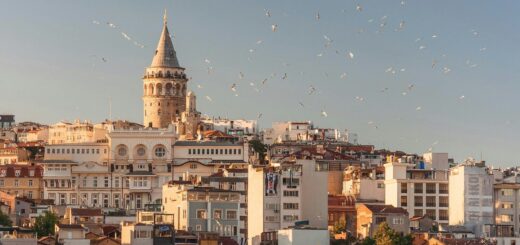
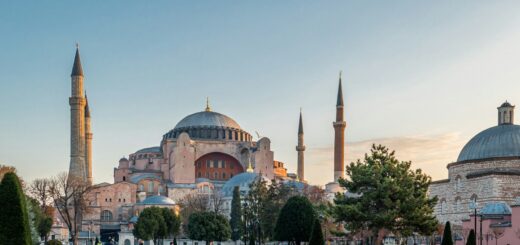
Turkey is one of the world’s great crossroads civilisations — a country spanning Europe and Asia that has been home to Greek, Roman, Byzantine, Seljuk, Ottoman, and modern Turkish cultures over millennia. It offers extraordinary diversity: the ancient ruins of Ephesus, Troy, and Pergamon; the surreal landscape of Cappadocia with its fairy chimneys and cave hotels; the iconic Istanbul skyline of minarets and Bosphorus bridges; the turquoise coasts of the Aegean and Mediterranean (the Turkish Riviera); the otherworldly travertine terraces of Pamukkale; and Mount Ararat soaring above the eastern Anatolian plateau.
Turkey straddles southeastern Europe and western Asia. The capital is Ankara; Istanbul is the largest city and main tourist hub. The currency is the Turkish Lira (TRY). The population is approximately 85 million. The official language is Turkish; English is widely spoken in tourist areas.
| TIP – Overall Safety: Turkey is generally safe for tourists in most areas. Millions of visitors travel safely each year. The main concerns are terrorism (lower risk in recent years after significant crackdowns), the southeastern border region with Syria, political demonstrations, petty crime, and scams. |
2. Security Landscape
2.1 Terrorism
Turkey experienced a wave of major terrorist attacks between 2015-2016, including the Ankara suicide bombings (2015, 109 dead), the Istanbul Ataturk Airport attack (2016, 41 dead), and the Reina nightclub attack (2017, 39 dead). Since 2017, the frequency of major attacks in tourist areas has significantly decreased. The PKK (Kurdish separatist group), ISIS-affiliated cells, and far-left groups remain potential threats. Vigilance in crowded public spaces remains important.
2.2 Syrian Border Region
| WARNING – Southeast Turkey: The provinces of Hatay, Sanliurfa, Gaziantep, Kilis, and the border region with Syria and Iraq are affected by spillover from the Syrian conflict and periodic PKK activity. Most Western governments advise against travel to areas within 10km of the Syrian border. Gaziantep city itself is generally safe but check current advisories. The border area has also been affected by drone incidents. |
2.3 Demonstrations
Turkey has frequent political demonstrations, particularly in Istanbul (Taksim Square), Ankara, and university towns. Since the 2013 Gezi Park protests, demonstrations have occasionally been met with tear gas and water cannon. Monitor local news and avoid all demonstrations. The anniversary of the July 15, 2016 coup attempt (annually) sees large nationalist gatherings — awareness advised.
3. Safe and Unsafe Areas
| TIP – Safe for Tourists: Istanbul (all major tourist areas), Cappadocia, Antalya, Bodrum, Fethiye, Izmir, Ephesus/Selcuk, Pamukkale, Ankara (central), Trabzon, Bosphorus area. |
| WARNING – Exercise Caution or Avoid: Within 10km of the Syrian border (Hatay, Kilis, Sanliurfa, Gaziantep border zones). Hakkari and Sirnak provinces (PKK activity). Parts of Diyarbakir and eastern Anatolia — check current advisories for specific provinces. |
4. Transportation
Istanbul Ataturk Airport was replaced by Istanbul Airport (IST) — the world’s largest airport by terminal size — in 2019. Istanbul Sabiha Gokcen Airport (SAW) handles budget carriers on the Asian side. Turkish Airlines operates extensive domestic routes connecting all major cities. Istanbul has a comprehensive metro, tram, and funicular network plus iconic ferries across the Bosphorus — use the Istanbulkart for all public transport. Uber pulled out of Turkey — use BiTaksi or ITT apps. Taxis are metered but overcharging via scenic routes is common.
| TIP – Istanbul Transport: Get an Istanbulkart rechargeable card from any metro station on arrival. Use trams (T1 line through Sultanahmet and Beyoglu) and Metro for all central travel — far preferable to taxis for navigating Istanbul traffic. |
5. Health & Medical
Turkey has good medical facilities in major cities. Private hospitals (Acibadem, Memorial, Medical Park) in Istanbul, Ankara, and Izmir are of international standard. State hospitals are more basic. Travel health insurance is recommended. Main health concerns: food safety (Turkish street food is generally good but traveller’s diarrhoea occurs); heat in summer (July-August temperatures in Istanbul 28-33C, southeastern Anatolia 40C+); earthquakes (Turkey sits on highly active fault lines — the 2023 Kahramanmaras earthquakes killed 50,000+); dehydration at beach resorts in peak summer.
| WARNING – Earthquake Risk: Turkey experienced devastating earthquakes on February 6, 2023 (7.8M and 7.5M Kahramanmaras earthquakes) that killed over 50,000 people and destroyed 10 cities in southeastern Turkey. Turkey’s North Anatolian Fault runs near Istanbul — seismologists have warned of a major Istanbul earthquake. Know earthquake drop-cover-hold procedures. |
6. Common Scams and Threats
| Scam Name | How It Works | How to Avoid It |
| Shoe Shine Drop Scam | A shoe shiner ‘accidentally’ drops his brush near a tourist. When the tourist picks it up, the shiner offers a shoe shine as thanks, then demands large payment. | Ignore dropped items from shoe shiners. If you want a shoe shine, agree on price firmly before sitting down. |
| Carpet Shop Pressure | Friendly shop owners in Sultanahmet invite tourists for tea and then apply sustained pressure to purchase expensive carpets. | Accept tea as hospitality without any obligation to buy. Leave firmly if pressured. Research carpet prices before shopping. |
| Taxi Overcharging / Route Fraud | Taxis in Istanbul take circuitous routes or have tampered meters showing inflated fares. | Use BiTaksi or ITT apps for transparent pricing. Insist on the meter for traditional taxis. Know approximate journey costs. |
| Fake Designer Goods | Grand Bazaar and street vendors sell counterfeit luxury goods that customs may confiscate on return home. | Be aware that importing counterfeit goods may be illegal in your home country. |
| Nightclub ‘Friend’ Scam | A friendly stranger in Taksim offers to show a tourist a local bar, where they are presented with an enormous bill. | Never follow strangers to bars or clubs. Research venues independently and enter based on your own choice. |
| Bosphorus Tour Overpricing | Private boat operators near Eminonu quote tourist prices many times the official ferry rate. | Use official Istanbul Sehir Hatlari ferry services for Bosphorus views at a fraction of the cost. |
| Gold Jewellery Fraud | Vendors in Grand Bazaar sell gold-plated or low-karat jewellery as higher-quality gold. | Verify gold karat markings. Buy from licensed jewellers with official receipts. Know current gold prices. |
| Currency Exchange Shortfall | Some exchange offices in tourist areas display attractive rates but charge hidden commissions. | Check the final amount you will receive before any exchange. Use official bank exchange or ATMs. |
7. Legal and Cultural Considerations
Turkey is a secular state with a Muslim-majority population. Women should cover heads and shoulders at mosques — free headscarves are provided at major mosques (Blue Mosque, Hagia Sophia). Remove shoes before entering mosques. Do not enter during prayer times as a tourist. The Turkish flag and Ataturk’s image are treated with great reverence — do not disrespect either publicly. Drug laws carry severe penalties. LGBTQ+ Pride marches in Istanbul have been banned since 2015 — discretion is advised, though Istanbul generally has an accepting urban culture. Insulting ‘Turkishness’ (Article 301) can result in prosecution — be careful with political commentary.
8. Emergency Contacts
| Service | Number / Details |
| Police Emergency | 155 |
| Ambulance | 112 |
| Fire Service | 110 |
| Coast Guard | 158 |
| Tourist Police Istanbul | +90 212 527 4503 |
| Acibadem Hospital Istanbul | +90 444 4422 |
| Memorial Hospital Istanbul | +90 444 7888 |
| UK Consulate Istanbul | +90 212 334 6400 |
| US Consulate Istanbul | +90 212 335 9000 |
| Australian Consulate Istanbul | +90 212 243 1333 |
9. Safety Checklist
- Get an Istanbulkart on arrival for all Istanbul public transport
- Use BiTaksi or ITT apps instead of hailing street taxis
- Avoid all demonstrations and political gatherings
- Do not travel within 10km of the Syrian border
- Know earthquake drop-cover-hold procedure — Turkey is highly seismically active
- Dress modestly at mosques — cover head and shoulders, remove shoes
- Never follow strangers to bars or clubs
- Research carpet and gold prices before shopping in Grand Bazaar
- Use official Sehir Hatlari ferries for Bosphorus views
- Purchase travel health insurance
- Register with your embassy