How to Stay Safe in Togo
1. Introduction
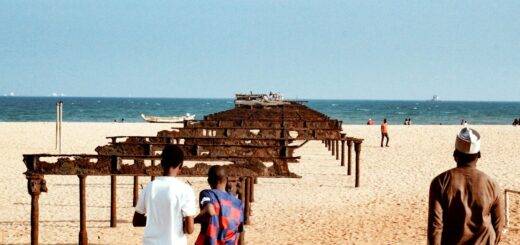
Togo is a narrow strip of a country sandwiched between Ghana and Benin on the West African coast, running north from the Gulf of Guinea to the Sahel. Lomé, the capital and only major city, sits right on the Atlantic coast and is one of the few African capital cities with a beachfront. Togo offers a unique mix of voodoo culture (most prominently at Akodessewa Fetish Market—the world’s largest voodoo market), traditional German colonial architecture, and beautiful highland scenery in the Kpalimé region.
Most Western governments rate Togo as ‘exercise a high degree of caution’ or ‘exercise normal security precautions’ depending on the region—the north (near Burkina Faso) carries elevated risk from Sahelian jihadist spillover. Lomé and the south are generally manageable with appropriate precautions.
| ⚠ Northern Togo: The northern regions of Togo—particularly Savanes Region bordering Burkina Faso—are subject to spillover from Sahelian jihadist activity. Multiple Western governments specifically advise against travel to these border areas. Exercise extreme caution north of Sokodé. |
2. Security Landscape
Lomé has a moderate crime rate. Petty theft—bag snatching, pickpocketing—occurs in markets (particularly Grand Marché), at the port, and on the beach. Motorcycle robberies (thieves on bikes snatching bags or phones from pedestrians) are a documented problem in Lomé. Night movement requires caution, particularly near the beach at Bé and the port area.
Political protests have occasionally turned violent in Togo, which has experienced significant political tensions over the ruling Gnassingbé dynasty’s four-decade grip on power. Demonstrations can occur suddenly and should be avoided. The central region (Kpalimé, Atakpamé) is generally calm and popular with tourists exploring the highland scenery.
| ⚠ Motorcycle Theft: Thieves on motorbikes snatching bags, phones, and jewellery from pedestrians is a common crime in Lomé. Do not walk with valuable items visible. Keep phone in your pocket. Walk facing traffic to make it harder for approaching motorcycle thieves. |
3. Safe vs. Risky Areas
Relatively Safe
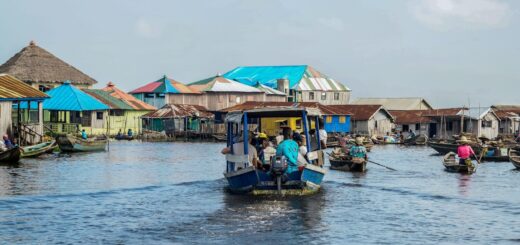
Lomé (daytime in main districts): Bè Klikamé, Tokoin, 2ème Arrondissement international hotels. Kpalimé highlands: Beautiful, low crime, popular with hikers and artists. Atakpamé: Central city, manageable with normal precautions. Togoville (Lake Togo): Cultural heritage site, generally safe.
Higher Risk
Grand Marché (Lomé): Pickpockets, motorcycle snatching. Port area (Lomé): Opportunistic crime. Beach at night: Robbery risk. Savanes Region (north, near Burkina Faso border): Jihadist spillover risk. Any location during political demonstrations.
4. Transportation Safety
Lomé’s road traffic is chaotic and accidents are common. Motorcycle taxis (zémidjans) are everywhere and are cheap but very dangerous—they account for a significant share of road fatalities. Taxis in Lomé are shared by default; hiring ‘complet’ (entire taxi) is more expensive but more comfortable and private. Agree fares before boarding.
Intercity travel: Bush taxis and shared vans connect Lomé to Kpalimé, Sokodé, and Kara. Roads in the south are generally good; they deteriorate in the north. Night road travel is not recommended. The border crossing at Aflao (Ghana) is the busiest and can involve significant delays and petty corruption.
| ⚠ Zémidjans (Motorcycle Taxis): Avoid motorcycle taxis. If circumstances require you use one, wear a helmet (drivers rarely have them), hold on securely, and avoid the phone or bags that can be snatched during the ride. |
5. Health & Medical Safety
Malaria is endemic throughout Togo. Yellow fever vaccination is required. Typhoid, cholera, hepatitis A, and meningitis are all present risks. The north has higher meningitis risk. Medical facilities in Lomé include private clinics (Clinique Bethesda, Polyclinique Internationale du Bénin) with better resources than public facilities. Outside Lomé, medical care is very limited. Evacuation insurance is recommended for any extended travel.
Tap water is not safe to drink. Use sealed bottled water. Food hygiene at international hotels and established restaurants is generally adequate. Street food carries more risk, though Togolese street food is fresh and popular—exercise reasonable selectivity.
6. Common Scams & How to Avoid Them
| Scam Name | How It Works | How to Avoid It |
| Fetish Market Price Inflation | At Akodessewa Fetish Market, tourists are charged many times local prices for fetish items and charged for photography. | Agree on photography fees before raising your camera. Negotiate prices. Take a knowledgeable local guide. |
| Fake Guide at Heritage Sites | Unofficial guides at Togoville and other heritage sites offer services then demand large fees. | Book guides through official channels or your hotel. Establish fees clearly before the tour. |
| Taxi Overcharging | Taxis quote tourist prices; no metres exist in Lomé. | Ask hotel for current standard fares for your journeys before taking a taxi. |
| Border Crossing Bribes | Officials at land border crossings (Aflao/Ghana, Sanvee-Condji/Benin) demand unofficial fees. | Know your legal rights. Have document photocopies available. Politely decline unofficial fees and request official receipts. |
| Beach Vendor Pressure | Vendors on Lomé beach are persistent and can become aggressive when refused. | Firm, polite refusals from the outset. Consider beach time at hotel-managed sections with regulated vendors. |
| Friendship Setup | A new friend invites you to a ‘local ceremony’ or gathering that turns into a high-pressure sales situation or robbery setup. | Be politely cautious of individuals who approach you specifically to offer experiences. Verify through hotel. |
| Currency Exchange Manipulation | Street changers offer good rates then manipulate counting. | Use only banks or official exchange offices. |
7. Legal Considerations
Togo’s legal system is based on French civil law. Homosexuality is technically illegal (though enforcement is inconsistent) and social attitudes are conservative; LGBTQ+ tourists should exercise significant discretion. Drug possession carries strict penalties. Photography of the presidential palace, military installations, and police operations is prohibited.
Voodoo (Vodun) is a recognised religion in Togo and practised openly. Respect ceremonies and sacred sites. Do not photograph sacred fetish objects without explicit permission. Removal of fetish objects from the country requires official authorisation.
8. Cultural Awareness
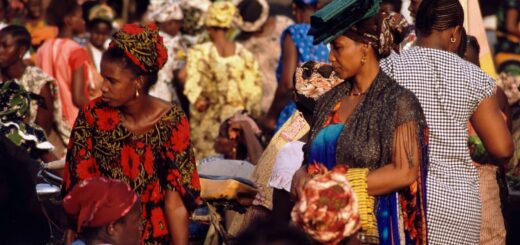
Togo’s population practices a mix of indigenous religions (including Voodoo), Christianity, and Islam. The Akodessewa Fetish Market in Lomé is the largest voodoo market in the world and a genuine cultural institution—not a tourist trap. Approach it with respect and genuine curiosity rather than mockery or shock.
| ✔ Voodoo Respect: Voodoo is a sophisticated spiritual practice, not superstition. Approach Akodessewa and any voodoo ceremonies with the same respect you would show any religious tradition. Ask before photographing anything or anyone. |
9. Emergency Contacts
| Service | Number / Info |
| Police Emergency | 117 |
| Fire Brigade | 118 |
| Ambulance (SAMU) | 15 |
| Clinique Bethesda Lomé | +228 22 21 52 91 |
| CHU Sylvanus Olympio (main hospital) | +228 22 21 25 01 |
| French Embassy Lomé | +228 22 23 23 40 |
| US Embassy Lomé | +228 22 26 29 50 |
| German Embassy Lomé | +228 22 21 23 04 |
10. Pre-Departure Safety Checklist
- Check travel advisory—note northern Togo warning specifically
- Obtain Yellow Fever vaccination certificate
- Begin antimalarials before departure
- Purchase travel insurance with evacuation coverage
- Book accommodation in advance in Lomé—beachfront hotels recommended
- Carry small-denomination CFA francs
- Download offline maps for Lomé and Kpalimé region
- Research reputable guides for Akodessewa and heritage sites
- Avoid all political demonstrations or large gatherings
- Walk with traffic facing you in Lomé to mitigate motorcycle theft risk
- Pack insect repellent, sunscreen, and first-aid kit