How to Stay Safe in Timor-Leste (East Timor)
1. Introduction
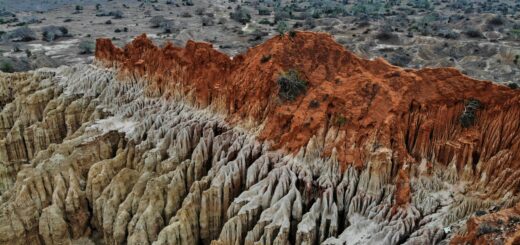
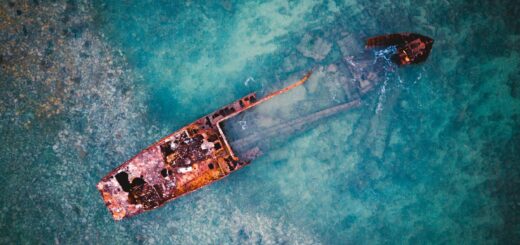
Timor-Leste (officially the Democratic Republic of Timor-Leste, also known as East Timor) is one of the world’s youngest nations, gaining independence from Indonesia in 2002 following a 24-year occupation and a brutal war of liberation. It occupies the eastern half of Timor island plus the enclave of Oecusse on the western (Indonesian) side. While Timor-Leste remains one of Asia’s least-visited and least-developed countries, it is gaining recognition among adventurous divers and travellers for its extraordinary marine biodiversity (Atauro Island has the world’s highest recorded density of fish species), dramatic mountain scenery, colonial Portuguese heritage in Dili, and the warmth of its Timorese people.
Timor-Leste borders Indonesia (west). The capital is Dili. The official currencies are the US Dollar (USD) and the Timorese Centavo coin. The population is approximately 1.3 million. The official languages are Tetum and Portuguese; Indonesian is widely understood, and English is spoken in government and tourism sectors.
| TIP – Overall Safety: Timor-Leste is generally safe for tourists, though it is a developing country with limited infrastructure. Crime against tourists is relatively uncommon. The main concerns are road safety, limited medical facilities, and occasional civil unrest. |
2. Security Landscape
2.1 Political Stability
Timor-Leste has had a turbulent post-independence history including the 2006 crisis (military-police conflict that displaced 150,000 people) and assassination attempts on President Ramos-Horta and Prime Minister Xanana Gusmao in 2008. The country has stabilised significantly since then. Periodic political tensions and demonstrations occur — typically around elections (2022 saw a contested election resolved peacefully). Monitor local news for any signs of escalation.
2.2 Crime
Crime rates are relatively low but rising as urbanisation increases. Petty theft and occasional vehicle break-ins occur in Dili. The Arte Moris area and some Dili nightlife spots are higher risk after dark. Gang violence (‘gang-related rock throwing’) has occurred periodically between Dili neighbourhoods — avoid areas experiencing such incidents. Sexual harassment of women travellers is reported.
3. Safe and Unsafe Areas
| TIP – Safe for Tourists: Dili city centre, Atauro Island (world-class diving), the south coast road to Suai and Same, Mount Ramelau (highest peak, 2,963m), Baucau (second city, colonial architecture), Cristo Rei of Dili (large hilltop statue), Tasi Tolu Peace Park. |
| WARNING – Exercise Caution: Dili after dark outside well-lit restaurant and hotel areas. The Oecusse enclave (accessible by sea or air only — road travel requires transiting Indonesian territory requiring separate Indonesian visa). Remote mountain areas during rainy season (November-April) due to landslides and flooding. Border areas with West Timor (Indonesia). |
4. Transportation
Presidente Nicolau Lobato International Airport (DIL) in Dili serves flights from Bali, Singapore, and Darwin (Australia). Taxis in Dili are not metered — negotiate fares before departure. Motorbike taxis (mototaxis) are cheap but use with caution. Renting a 4WD is the best option for exploring outside Dili — roads are generally unpaved and poor quality outside the capital. A fast ferry connects Dili to Atauro Island (1.5 hours). The Timor-Leste road network includes the scenic south coast road but heavy rainfall causes landslides that can block roads for days.
| WARNING – Road Safety: Road conditions outside Dili are very poor — potholes, unpaved sections, and landslides. Driving at night is hazardous. Road accidents are a significant risk. Animals on roads are common. Do not drive after dark if it can be avoided. |
5. Health & Medical
Medical facilities in Timor-Leste are very limited. Guido Valadares National Hospital in Dili is the main facility but is significantly below international standards. Medical evacuation to Darwin, Australia (approximately 2 hours) or Bali is the only reliable option for serious conditions. Medical evacuation insurance with explicit Timor-Leste coverage is absolutely essential. Key health risks: malaria (present throughout the country — take prophylaxis); dengue fever (year-round); typhoid; hepatitis A; cholera (periodic outbreaks); rabies; waterborne illness (use bottled water only).
| WARNING – Malaria: Malaria is endemic throughout Timor-Leste including in Dili. Anti-malarial prophylaxis (Malarone/atovaquone-proguanil or Doxycycline) is strongly recommended for all visitors. Use DEET repellent and sleep under a permethrin-treated mosquito net. |
6. Common Scams and Threats
| Scam Name | How It Works | How to Avoid It |
| Taxi Overcharging | Taxis from Dili Airport quote tourist rates 3-5x the local rate. | Negotiate fares firmly before entering. Research standard rates from your accommodation. Airport to central Dili: USD 5-8. |
| Dive Operator Safety Issues | Some informal dive operators lack proper safety equipment or certified guides. | Book diving only with PADI or equivalent certified operators. Atauro Island has established reputable dive shops. |
| Currency Confusion | Vendors occasionally try to pass off damaged or non-standard USD notes. | Inspect USD notes before accepting them. |
| Fuel Overcharging | In remote areas, fuel is sold in bottles at highly inflated prices. | Fill up in Dili before remote road trips. Carry jerry cans. |
| Unofficial Tour Guides | Individuals at popular sites offer guide services without qualifications. | Use licensed guides through the Timor-Leste Tourism Authority (TLTA) or your hotel. |
| Photography Sensitivity | Some locals object to being photographed; police facilities are sensitive. | Always ask permission before photographing people. Avoid photographing police or military facilities. |
7. Legal and Cultural Considerations
Timor-Leste is a predominantly Catholic country (97% Catholic) with significant animist traditions. The Catholic faith is deeply integrated with Timorese identity and cultural resistance during the Indonesian occupation. Dress modestly when visiting churches. Funerals and traditional ceremonies are community events that may restrict outside access — respect local guidance. Resistance heroes Xanana Gusmao and Jose Ramos-Horta are deeply respected national figures. The tais (handwoven textile) is a national symbol — purchase tais from women’s cooperatives to support local producers.
8. Emergency Contacts
| Service | Number / Details |
| Police Emergency (PNTL) | 112 |
| Ambulance | 110 |
| Guido Valadares Hospital Dili | +670 331 1008 |
| DRM Dili (private clinic) | +670 331 4228 |
| Australian Embassy Dili | +670 332 2111 |
| US Embassy Dili | +670 332 4684 |
| Portuguese Embassy Dili | +670 332 3306 |
| UN UNMIT Residual Presence | +670 332 7200 |
| Timor-Leste Tourism Authority | +670 332 1067 |
9. Safety Checklist
- Take anti-malarial prophylaxis before, during, and after travel
- Purchase comprehensive medical evacuation insurance to Darwin or Bali
- Use DEET repellent and sleep under permethrin-treated mosquito net
- Use bottled water only — no tap water
- Negotiate taxi fares before departure — no meters exist
- Fill up fuel in Dili before remote road trips
- Book diving only with certified PADI operators
- Do not drive after dark outside Dili
- Register with your embassy in Dili
- Carry sufficient USD cash — limited banking facilities outside Dili
- Be prepared for road closures during rainy season (November-April)