How to Stay Safe in Thailand
1. Introduction
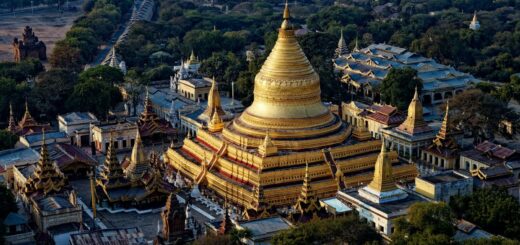
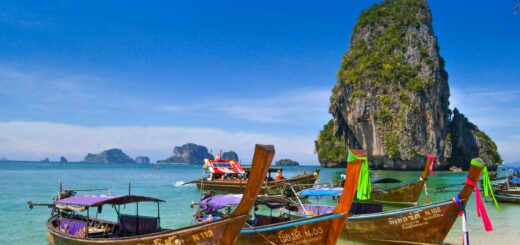
Thailand is Southeast Asia’s most popular tourist destination, welcoming over 30 million international visitors annually. The ‘Land of Smiles’ offers an extraordinary range of experiences: the grand temples and vibrant street life of Bangkok; the ancient Lanna kingdom capital of Chiang Mai; the idyllic islands of Phuket, Koh Samui, Koh Tao, and Koh Lanta; the historical parks of Ayutthaya and Sukhothai; the jungle trekking of Chiang Rai; the pristine national parks of Khao Yai and Doi Inthanon; and the world-class cuisine that has made Thai food one of the most beloved in the world.
Thailand borders Myanmar (west and north), Laos (north and northeast), Cambodia (east), and Malaysia (south). The capital is Bangkok (officially Krung Thep Maha Nakhon). The currency is the Thai Baht (THB). The population is approximately 72 million. The official language is Thai; English is widely spoken in tourist areas.
| TIP – Overall Safety: Thailand is generally safe for tourists. The main concerns are road accidents (Thailand has one of the world’s highest road fatality rates), petty crime and scams targeting tourists, specific security issues in the Deep South, natural hazards, and isolated incidents in the nightlife industry. |
2. Security Landscape
2.1 Deep South Insurgency
| WARNING – Deep South: The southernmost provinces of Thailand bordering Malaysia — Pattani, Yala, Narathiwat, and parts of Songkhla — have experienced a long-running separatist insurgency since 2004. Bombings, shootings, and arson attacks targeting security forces, government officials, schools, and rubber tappers occur regularly. These provinces are not tourist destinations and most Western governments advise against non-essential travel. This affects travel along the Malaysia-Thailand border by land (Hat Yai is safe but the land border crossings at Sungai Kolok and Tak Bai pass through affected areas). |
2.2 Crime
Violent crime against tourists is relatively uncommon but not rare — particularly drink-spiking leading to robbery or assault, and scams that escalate. Bangkok, Phuket, Pattaya, and Koh Samui have the highest incidence of tourist crime. The most common issues are: tuk-tuk scams; gem scams; jet-ski damage scams; overcharging at bars and clubs; drink spiking; and motorbike/bicycle rental damage claims.
2.3 Traffic
| WARNING – Road Safety: Thailand has one of the world’s highest road fatality rates — Songkran (Thai New Year, April 13-15) is notoriously deadly and called ‘Seven Dangerous Days.’ Motorbike accidents are the leading cause of tourist death and serious injury in Thailand. Roads outside cities are often poorly lit and shared with trucks. Do not ride a motorbike without experience and always wear a helmet. |
3. Safe and Unsafe Areas
| TIP – Safe for Tourists: Bangkok (all central areas), Chiang Mai, Chiang Rai, Ayutthaya, Sukhothai, Phuket (resort areas), Koh Samui, Koh Tao, Koh Lanta, Koh Phi Phi, Railay Beach, Hua Hin, Pattaya (with caution re: nightlife), Kanchanaburi, Khao Yai National Park. |
| WARNING – Avoid or Exercise Caution: Pattani, Yala, Narathiwat, Songkhla (south of Hat Yai) — Deep South insurgency. Sangkhla Buri and border areas near Myanmar — smuggling routes. Remote jungle areas in some national parks without registered guides. |
4. Transportation
Suvarnabhumi Airport (BKK) and Don Mueang Airport (DMK) serve Bangkok. The Airport Rail Link connects Suvarnabhumi to central Bangkok (Phaya Thai) in 30 minutes. Grab operates throughout Thailand and is the safest, most transparent taxi option. Bangkok’s BTS Skytrain and MRT Metro are excellent. Inter-city trains (State Railway of Thailand) are scenic and affordable. Budget airlines (Thai AirAsia, Nok Air, Lion Air Thailand) connect major cities and islands. Ferries serve the islands — safety records vary by operator.
| WARNING – Tuk-Tuk Warning: Never accept free or very cheap tuk-tuk rides from drivers who approach you near attractions in Bangkok. These are almost always connected to gem scams — the driver earns a commission to take you to a specific shop. |
5. Health & Medical
Medical facilities in Bangkok (Bumrungrad International, Bangkok Hospital, Samitivej) are world-class and among Asia’s best — medical tourism is a major industry. In Chiang Mai, Phuket, and Koh Samui, private hospitals (Bangkok Hospital chains) offer good care. Remote islands have basic clinics. Medical evacuation insurance is essential for remote areas and adventure activities. Key health risks: dengue fever (year-round, peaks during rainy season May-October); typhoid; hepatitis A; malaria (low risk in most tourist areas, present in jungle border areas of Kanchanaburi, Chiang Rai, and Tak Province); rabies (common in dogs, monkeys, bats — seek immediate treatment); jellyfish (box jellyfish in Gulf of Thailand and Andaman Sea — stings can be fatal).
| WARNING – Box Jellyfish: Box jellyfish (Chironex fleckeri) are present in Thai waters, particularly during the Southwest Monsoon season. Stings from box jellyfish can cause death within minutes. Wear a full-body lycra suit when snorkelling during these periods, or swim at beaches with jellyfish nets. Vinegar is the first-aid treatment for box jellyfish stings — many Thai beaches have vinegar stations. |
6. Common Scams and Threats
| Scam Name | How It Works | How to Avoid It |
| Grand Palace Closed Scam | A stranger near the Grand Palace tells you it is closed for a special ceremony and offers to take you to another temple by tuk-tuk or taxi — leading to a gem shop. | The Grand Palace is open almost every day. Verify online. Ignore all strangers offering to ‘help’ near major attractions. |
| Gem Investment Scam | A sophisticated multi-person operation convinces tourists to invest in gems that will be sold at profit back home. Gems received are worthless. | This is Thailand’s most sophisticated tourist scam and has operated for decades. Absolutely never invest in gems with strangers. |
| Jet-Ski Damage Scam | Jet-ski operators in Phuket claim pre-existing damage was caused by the renter and demand large cash payments, sometimes with intimidating ‘helpers.’ | Photograph jet-ski from all angles before use. Agree on a fixed price for any existing damage. Avoid operators without proper registration. This scam is well-documented — consider avoiding jet-ski rental in Phuket entirely. |
| Tuk-Tuk Commission Scam | Friendly tuk-tuk drivers offer very cheap rides to attractions, taking you to a gem or tailor shop where they earn commission. You are pressured into expensive purchases. | Use Grab app. Never accept free or heavily discounted tuk-tuk rides from drivers who approach you. |
| Temple Dress Code Extortion | Vendors near temples claim you need to rent a sarong to enter, charging inflated prices. Some temples provide free sarongs at the entrance. | Most temples provide free wraps at the gate. Check official temple websites for dress code requirements. |
| Bar Bill Inflation | Some bars in Pattaya, Phuket’s Patong, and Bangkok’s Nana Plaza inflate bills or add unconsented charges. | Check bills carefully. Confirm prices before ordering drinks, especially in entertainment areas. |
| Drink Spiking | Drinks spiked with sedatives in bars and nightclubs, particularly in Bangkok, Phuket, and Koh Samui entertainment districts. | Never leave your drink unattended. Accept drinks only from bar staff. Travel with companions in entertainment areas. |
| Fake Buddhist Monks | Individuals dressed as Buddhist monks approach tourists requesting donations for a non-existent temple. | Genuine monks do not solicit donations from tourists on the street. Donate at temples through official donation boxes. |
7. Legal and Cultural Considerations
| WARNING – Lese-Majeste Law: Thailand’s lese-majeste law (Section 112 of the Criminal Code) criminalises criticism of the monarchy. Penalties include 3-15 years imprisonment per count. Foreign nationals have been arrested under this law. Do not make any negative comments about the royal family in public, on social media, or in private conversations with strangers. This is strictly enforced. |
Buddhism is central to Thai culture — dress modestly at temples (shoulders and knees covered), remove shoes, do not point feet toward Buddha images or monks, women must not touch monks or hand objects directly to them. The three-finger salute of the 2014 coup protests is associated with opposition movements. Drug laws are severe — marijuana was partially legalised in 2022 but the regulatory situation has fluctuated significantly; verify current status before travel. LGBTQ+ rights are relatively progressive — same-sex civil partnerships were legalised in 2024.
8. Emergency Contacts
| Service | Number / Details |
| Police Emergency | 191 |
| Ambulance | 1669 |
| Fire Service | 199 |
| Tourist Police | 1155 (24hr English) |
| Bumrungrad Hospital Bangkok | +66 2 667 1000 |
| Bangkok Hospital Group | +66 2 310 3000 |
| UK Embassy Bangkok | +66 2 305 8333 |
| US Embassy Bangkok | +66 2 205 4000 |
| Australian Embassy Bangkok | +66 2 344 6300 |
| TAT Tourism Authority | 1672 |
9. Safety Checklist
- Use Grab app for all transport — never accept tuk-tuk offers near attractions
- Never engage in gem investments or purchases with strangers
- Wear a helmet on motorbikes — road death risk is very high
- Do not make any negative comments about the Thai royal family
- Seek immediate medical treatment for any animal bite (rabies risk)
- Wear a lycra suit during monsoon season snorkelling — box jellyfish risk
- Apply DEET repellent year-round — dengue is prevalent
- Check drinks are sealed when purchased at bars — spiking occurs
- Photograph jet-ski thoroughly before use and agree on pre-existing damage
- Dress modestly at all Buddhist temples — shoulders and knees covered
- Purchase comprehensive travel and medical evacuation insurance
- Register with your embassy