How to Stay Safe in Tanzania
1. Introduction
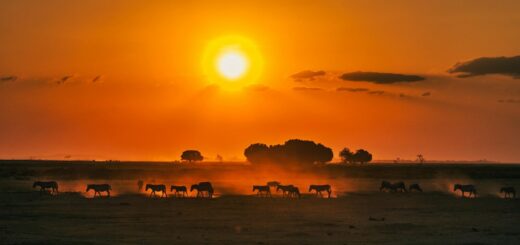
Tanzania is East Africa’s most iconic safari and adventure destination—home to Serengeti National Park, the Ngorongoro Crater (the world’s largest intact volcanic caldera), Mount Kilimanjaro (Africa’s highest peak at 5,895m), Zanzibar’s spice trade history and pristine beaches, Selous/Nyerere (the world’s largest game reserve), Gombe Stream (Jane Goodall’s chimpanzee research site), and the Mahale Mountains (wild chimpanzee trekking). It also has one of the most wildlife-rich and photogenic environments on Earth.
Tanzania is generally considered safer than Kenya by many travellers, but still has meaningful security challenges—terrorism risk (particularly in Zanzibar), petty crime in cities, and road safety. Most Western governments advise ‘exercise a high degree of caution.’ The country is a must-visit for wildlife enthusiasts and is accessible to well-prepared tourists.
| ✔ Kilimanjaro Timing: The best trekking seasons for Kilimanjaro are January–March and June–October (clearer weather, better views, less rain). The Lemosho route (7–8 days) has the best acclimatisation profile. Book with a licensed operator far in advance for peak season. |
2. Security Landscape
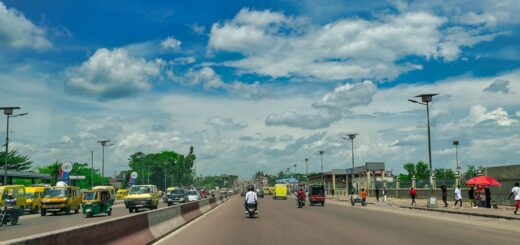
Dar es Salaam, the commercial capital, has significant urban crime—pickpocketing, bag snatching, mugging, and occasional armed robbery. The areas around Kariakoo Market, Mnazi Mmoja, and the city centre bus terminals are higher-risk. The Masaki and Oyster Bay districts (diplomatic and upscale residential) are safer. Arusha (gateway to Kilimanjaro and Serengeti) has significant tourist-targeting crime—fake tour operators, aggressive touts, and ‘commission’ schemes are rife.
Zanzibar has experienced several terrorist incidents—grenade attacks on tourists and bars occurred in the 2010s, and Stone Town has had acid attacks on women (suspected religious extremists targeting Western tourists). Most Western governments advise extra caution in Zanzibar, particularly at night and in Stone Town’s alleys.
| ⚠ Zanzibar Night Safety: Stone Town’s narrow alleyways at night have been the scene of attacks on tourists, including acid attacks. Do not walk alone in Stone Town after dark—use taxis. Be especially cautious on quiet streets at night. Choose accommodation with good security reviews. |
3. Key Tourist Areas
Arusha & Northern Circuit
Arusha is the tourist hub for Serengeti, Ngorongoro, Tarangire, and Lake Manyara. It is heavily tourist-oriented and has significant associated scam activity. Book all safaris through TATO-accredited operators. The Arusha city centre around the clock tower and bus station is higher-risk for pickpocketing.
Serengeti & Ngorongoro
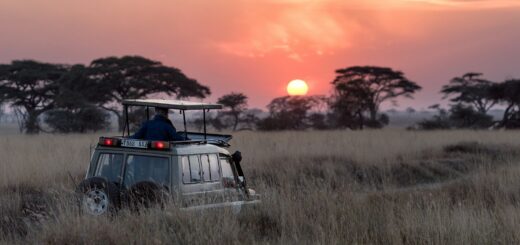
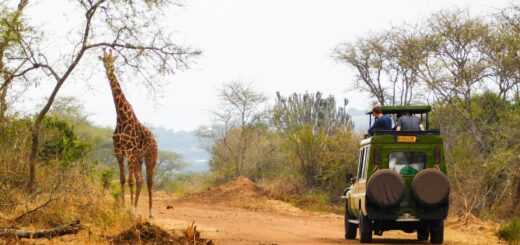
The national parks themselves are very safe—well-managed with ranger infrastructure. The risk is in reaching them and choosing operators. Self-drive is not recommended in Serengeti without extensive off-road experience. Ngorongoro Crater drive requires 4WD and is managed by NCAA (Ngorongoro Conservation Area Authority).
Zanzibar
Stone Town (UNESCO World Heritage) is the cultural heart—narrow alleys, spice markets, Arabic-influenced architecture. The beach areas (Nungwi, Kendwa, Paje, Jambiani) are generally safe at established resorts. Night movement in Stone Town should be by taxi, not on foot.
4. Transportation Safety
Tanzania has serious road safety problems. Dala-dalas (minibuses) are extremely dangerous—overcrowded and driven recklessly. Long-distance buses have varying safety records; Dar Express and other established companies are better than unmarked alternatives. Night driving on Tanzanian roads is strongly discouraged—roads are poorly lit, with potholes, livestock, and erratic driving.
Domestic flights (Air Tanzania, Precision Air, Coastal Aviation) connect Dar es Salaam to Kilimanjaro, Zanzibar, Arusha, Selous, and other destinations. Small bush planes serve remote safari camps. Zanzibar is accessible by fast ferry from Dar es Salaam (2 hours) or by air. The Kilimanjaro ferry (Dar-Zanzibar) is less reliable than the fast ferries but cheaper.
| ⚠ Fast Ferry Safety: Fast ferries between Dar es Salaam and Zanzibar have had fatal accidents in the past, including a 2012 capsize that killed over 200 people. Use the established Sea Express or Azam Marine companies only. Do not board visibly overloaded vessels. |
5. Health & Medical Safety
Malaria is endemic in most of Tanzania (including Zanzibar). Antimalarials and insect protection are essential. Yellow fever vaccination is required. Typhoid, cholera, hepatitis, and meningitis are present. Altitude sickness is a significant risk on Kilimanjaro—proper acclimatisation protocols are essential; do not rush ascent. Only approximately 65% of Kilimanjaro climbers reach the summit; rushing the ascent is the primary cause of failure and medical emergencies.
Medical facilities in Dar es Salaam (Aga Khan Hospital, Jakaya Kikwete Cardiac Institute) are reasonable for East Africa. Arusha has several private clinics. Outside major cities, facilities are minimal. AMREF Flying Doctors provides emergency evacuation services—membership is strongly recommended for safari and Kilimanjaro travel.
6. Common Scams & How to Avoid Them
| Scam Name | How It Works | How to Avoid It |
| Fake Safari Operators in Arusha | Unlicensed touts approach tourists on the street claiming to be safari agents. They offer cheap safaris but deliver overcrowded vehicles, untrained guides, and fake national park permits. | Book ONLY with TATO-accredited operators (www.tato.or.tz). Never book with street touts. Verify accreditation before paying any deposit. |
| Kilimanjaro ‘Budget’ Guide Scam | Unofficial guides offer Kilimanjaro climbs at a fraction of the official cost, bypassing mandatory park fees and KINAPA regulations. | All Kilimanjaro climbs require KINAPA-registered operators with official park permits. Budget climbs that seem too cheap are illegal and dangerous. |
| Zanzibar Spice Tour Overcharge | Spice tour guides quote prices then add charges for additional stops, family visits, and interactions. | Agree the full price of the complete tour before departing. Book through your hotel or verified spice tour operators. |
| Gem / Tanzanite Scam | Tanzania is the world’s only source of tanzanite. Vendors claim to offer genuine tanzanite at below-market prices. | Purchase tanzanite only from certified, licensed gemstone dealers with provenance documentation. Export requires government certification. |
| Dar es Salaam Taxi Overcharge | Taxis from JNIA (Julius Nyerere International Airport) quote enormous fares. | Pre-arrange pickup with your hotel. Negotiate firmly—JNIA to city centre should be approximately TSH 30,000–50,000 (check current rates). |
| Stone Town ‘Guided Walk’ | Individuals in Stone Town attach themselves to tourists offering ‘free’ walking guidance, then demand large tips at the end. | Politely decline unsolicited guides from the outset. Hire from Stone Town Visitors Centre or your accommodation. |
| Beach Boys (Zanzibar) | Young men on Zanzibar’s beaches offer various services—tours, boat trips, drugs—and become aggressive when refused. | A firm ‘hapana asante’ (no thank you in Swahili) repeated calmly works. Do not engage in negotiation if not interested. |
| ATMS in Dar and Arusha | ATM skimming devices are in operation at some locations. | Use bank-branch ATMs during banking hours. Cover the keypad. Monitor accounts daily. |
7. Legal Considerations
Homosexuality is illegal in Tanzania mainland (up to 30 years imprisonment) and carries the same penalties in Zanzibar under Sharia-influenced law. LGBTQ+ tourists must exercise extreme discretion. Drug possession carries severe penalties—zero tolerance. Photographing government buildings, military, and the national airline building is restricted. Drone operation requires permit from TCAA (Tanzania Civil Aviation Authority). Wildlife laws are strict—do not purchase products from endangered species.
8. Cultural Awareness
Tanzania’s national language, Swahili, is a unifying force across its 120+ ethnic groups. Learning Swahili basics is genuinely appreciated: ‘Habari?’ (How are you?), ‘Nzuri’ (Fine/Good), ‘Asante sana’ (Thank you very much), ‘Karibu’ (Welcome). Zanzibar is predominantly Muslim; dress modestly in Stone Town and non-beach areas, respect Ramadan, and ask permission before photographing people.
| ✔ Tipping Culture: Tipping is important in Tanzania’s tourism economy. Suggested: Safari guides USD 15–20/day per vehicle, lodge staff USD 5–10/day per person, Kilimanjaro guides USD 20/day, porters USD 10/day. These tips make up a significant portion of workers’ income. |
9. Emergency Contacts
| Service | Number / Info |
| Police Emergency | 112 |
| Aga Khan Hospital Dar es Salaam | +255 22 211 5151 |
| AMREF Flying Doctors | +254 20 699 2299 |
| US Embassy Dar es Salaam | +255 22 229 4000 |
| British High Commission Dar es Salaam | +255 22 229 0000 |
| KINAPA (Kilimanjaro HQ) | +255 27 275 4071 |
| TANAPA (National Parks HQ) | +255 27 250 3471 |
10. Pre-Departure Safety Checklist
- Check regional advisories—note Zanzibar night safety warnings
- Get Yellow Fever vaccination (required)
- Begin antimalarials before departure
- Purchase comprehensive evacuation insurance
- Consider AMREF Flying Doctors membership for safari/Kilimanjaro travel
- Book safari with TATO-accredited operator—verify before paying
- Book Kilimanjaro with KINAPA-registered operator only
- Arrange airport transfer through hotel
- Pack altitude sickness medication for Kilimanjaro
- Register with your embassy before travel
- Download Swahili phrasebook offline