How to Stay Safe in Tajikistan
1. Introduction
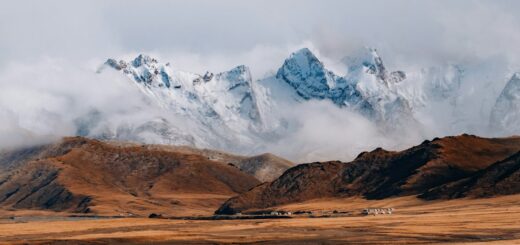
Tajikistan is Central Asia’s most mountainous country — over 93% of its territory is covered by mountains, including the Pamir range (the ‘Roof of the World’). It offers some of the world’s most dramatic and remote adventure tourism: the legendary Pamir Highway (M41), one of the world’s highest roads, crossing the Wakhan Corridor alongside the Afghan border; the turquoise lakes of the Iskanderkul and the Fann Mountains; trekking in Zorkul and Murghab; and the ancient Silk Road cities of Khujand and Istaravshan. Tajikistan is increasingly popular with serious adventure travellers and overlanders.
Tajikistan borders Afghanistan (south), China (east), Kyrgyzstan (north), and Uzbekistan (west and northwest). The capital is Dushanbe. The currency is the Tajikistani Somoni (TJS). The population is approximately 10 million. The official language is Tajik (closely related to Persian/Farsi); Russian is widely understood.
| TIP – Overall Safety: Tajikistan is generally safe for tourists in most areas. Crime against foreigners is rare. The main concerns are the border with Afghanistan, the recent Kyrgyzstan-Tajikistan border conflict, remote terrain logistics, and road safety. |
2. Security Landscape
2.1 Afghan Border
| WARNING – Afghan Border Zone: The Tajik-Afghan border region (Khatlon Province in the southwest, the Wakhan Corridor in the east) requires careful consideration. The Afghan side has experienced ISIS-Khorasan attacks. The Tajik side is generally calmer, and the Wakhan Corridor is visited by trekkers, but the proximity to active conflict requires situational awareness and up-to-date intelligence. |
2.2 Kyrgyzstan Border Conflict
| WARNING – Kyrgyzstan Border: The Tajikistan-Kyrgyzstan border in the Batken region has experienced armed clashes (2021, 2022) resulting in dozens of deaths. The situation has improved but remains tense. Avoid the border area between Batken (Kyrgyzstan) and the Isfara district of Tajikistan. This is not a tourist area but overlanders using the Fergana Valley route should be aware. |
2.3 Gorno-Badakhshan Autonomous Oblast (GBAO)
GBAO (the Pamirs region) has historically been more autonomous and occasionally experienced unrest. In 2022, protests in Khorog (the GBAO capital) resulted in government military operations and deaths. The situation has since stabilised. Tourists need a separate GBAO permit in addition to the standard Tajikistan visa — obtain this in Dushanbe or through a licensed tour operator before entering the Pamirs.
3. Safe and Unsafe Areas
| TIP – Generally Safe: Dushanbe (capital, pleasant city), Khujand (northern city), Istaravshan, Iskanderkul Lake, Fann Mountains (popular trekking), Pamir Highway (M41) main route from Dushanbe to Murghab to Ishkashim — with appropriate preparation. |
| WARNING – Exercise Extra Caution: Batken border area with Kyrgyzstan. Southwestern Khatlon Province near the Afghan border. Remote areas without proper guides and permits. GBAO: check current situation before visiting Khorog and confirm GBAO permit obtained. |
4. Transportation
Dushanbe International Airport (DYU) receives flights from Moscow, Istanbul, Dubai, and several regional cities. Domestic flights connect Dushanbe to Khujand and Khorog (the Dushanbe-Khorog flight over the Pamirs is spectacular but frequently weather-delayed). The Pamir Highway is accessible by shared taxi or 4WD hire from Dushanbe — journey to Murghab takes 2-3 days with overnight stops. Roads in the Pamirs are unpaved, rocky, and at extreme altitude (Ak-Baital Pass, 4,655m). 4WD is mandatory. Carry spare fuel, food, and water for remote sections.
| WARNING – Pamir Highway: The Pamir Highway (M41) is one of the world’s most remote and challenging drives. Mobile coverage is minimal. Fuel stations are scarce — carry 2-3 jerry cans. Medical facilities between Dushanbe and Murghab are extremely basic. Plan thoroughly with a reputable local operator. The best season is June-September; the road is closed or extremely hazardous in winter. |
5. Health & Medical
Medical facilities in Dushanbe are basic (Ibn Sino National Medical Centre). Outside the capital, facilities are extremely limited — rural hospitals lack equipment and trained staff. Medical evacuation insurance is absolutely essential for Pamir Highway and trekking travel. Key health risks: altitude sickness (Ak-Baital Pass at 4,655m, Murghab at 3,618m); giardia and waterborne illness (use purification); tick-borne encephalitis (Fann Mountains spring-summer); extreme cold in the Pamirs even in summer (temperatures drop below 0C at night).
6. Common Scams and Threats
| Scam Name | How It Works | How to Avoid It |
| Taxi Overcharging | Taxis from Dushanbe Airport quote tourist prices 3-5x the local rate. | Negotiate fares before entering. Use Yandex Go where available. Research standard fares from your accommodation. |
| GBAO Permit Requirement | Some travellers enter GBAO without realising a separate permit is required and face fines. | Obtain GBAO permit from the OVIR office in Dushanbe (100 Rudaki Avenue) or through your tour operator before travel. |
| Pamir Highway Fuel Scam | Remote fuel sellers inflate prices dramatically for tourists in the Pamirs. | Research fuel prices along the route in advance. Carry sufficient fuel from Dushanbe. Expected price inflation in remote areas. |
| Fake Guesthouse Bookings | Online listings for Pamir homestays may not match reality. | Book through reputable operators (Pamir Travel, Great Game Travel) or Community Based Tourism (CBT) networks verified by other travellers. |
| Currency Exchange Shortfall | Changers in Dushanbe bazaar short-change tourists unfamiliar with Somoni. | Exchange at official banks (Eskhata, Amonat). Count notes before leaving the counter. |
| Border Crossing Demands | At some land border crossings, unofficial fees are demanded by officials. | Know the official fees. Do not pay unofficial fees without a receipt. Report extortion to your embassy. |
7. Legal and Cultural Considerations
Tajikistan is a predominantly Sunni Muslim country with significant secular traditions from the Soviet era. Dress modestly outside tourist hotels. Photography of border areas, military, government buildings, and checkpoints is strictly prohibited. Drug laws carry severe penalties. LGBTQ+ relationships are technically criminalised under Tajikistan’s criminal code. Register with the OVIR (registration authority) within 3 days if not staying in a hotel — hotels register automatically.
8. Emergency Contacts
| Service | Number / Details |
| Police Emergency | 02 |
| Ambulance | 03 |
| Fire Service | 01 |
| Emergency (all) | 112 |
| Dushanbe Airport Emergency | +992 37 221 0010 |
| Ibn Sino Hospital Dushanbe | +992 37 224 2803 |
| UK Embassy Dushanbe | +992 37 234 2689 |
| US Embassy Dushanbe | +992 37 229 2000 |
| OVIR Dushanbe (registration) | +992 37 221 1793 |
| Pamir Travel (emergency assist) | +992 935 500 808 |
9. Safety Checklist
- Obtain GBAO permit before entering the Pamirs — from OVIR in Dushanbe
- Register with OVIR within 3 days if not in a hotel
- Carry comprehensive medical evacuation insurance
- Plan Pamir Highway with reputable operator — carry spare fuel, food, water
- Avoid the Tajikistan-Kyrgyzstan border area in Batken district
- Check current GBAO situation before travelling to Khorog
- Acclimatise gradually — Pamir passes exceed 4,600m
- Use water purification — giardia risk from mountain water sources
- Wear tick repellent in the Fann Mountains (spring-summer)
- Do not photograph military, border facilities, or government buildings
- Register with your embassy before remote Pamir travel