How to Stay Safe in Taiwan
1. Introduction
Taiwan (officially the Republic of China, ROC) is one of Asia’s most underrated and rewarding travel destinations. A democratic island nation of 23 million people off the southeast coast of mainland China, Taiwan offers an extraordinary combination of experiences: the world-class National Palace Museum in Taipei housing the world’s largest collection of Chinese imperial artefacts; dramatic mountain scenery in Taroko Gorge and Alishan; the vibrant street food culture of night markets (Shilin, Raohe, Fengjia); pristine beaches on the Penghu archipelago and Kenting; the traditional culture of the indigenous Austronesian peoples; and the friendly, welcoming nature of Taiwanese society.
Taiwan’s capital is Taipei. The currency is the New Taiwan Dollar (NTD). The official language is Mandarin Chinese (Traditional characters), with Taiwanese Hokkien widely spoken. English is spoken in tourist areas and by younger generations. Taiwan is a high-income democracy with excellent infrastructure, safety standards, and quality of life.
| TIP – Overall Safety: Taiwan consistently ranks as one of the safest countries in Asia. Crime against tourists is extremely rare. The main considerations are typhoons, earthquakes, and the political tension with mainland China (which does not directly threaten tourists in practical terms). |
2. Security Landscape
2.1 Cross-Strait Tensions
The People’s Republic of China (PRC) claims sovereignty over Taiwan and has not renounced the use of force to achieve unification. Cross-strait tensions have been elevated since 2022-2023, with periodic military exercises by the PLA around Taiwan. While the risk of actual conflict is assessed as low by most analysts, it is non-zero and would have severe consequences if it materialised. Most Western governments maintain that Taiwan is safe for tourism but monitor the situation closely.
| WARNING – Cross-Strait Risk: Monitor geopolitical news during your visit. In an escalation scenario, commercial flights may be disrupted. Know your country’s emergency contact in Taiwan (most countries maintain de facto embassies through trade/cultural offices). Have a flexible itinerary and travel insurance that covers political evacuation. |
2.2 Natural Hazards
| WARNING – Typhoons: Taiwan experiences 3-5 typhoons annually, typically July-October. Typhoon Morakot (2009) caused catastrophic flooding and landslides. Monitor the Central Weather Bureau (CWB) forecasts. All public transport and many businesses close during typhoon warnings. Follow government instructions for shelter. Mountain areas (Taroko, Alishan) are particularly prone to landslides during typhoons. |
| WARNING – Earthquakes: Taiwan sits on multiple fault lines and experiences frequent earthquakes. The 1999 Chi-Chi earthquake (7.6M) killed over 2,400 people. The April 2024 Hualien earthquake (7.4M) caused significant damage in the Taroko area. Know earthquake safety procedures: drop, cover, hold. After a major earthquake near coastal areas, move to high ground immediately for tsunami risk. |
2.3 Crime
Taiwan is extremely safe. Crime against tourists is very rare. Taipei and other cities are safe to walk at night. Petty theft and scams occur but at a very low rate compared to most Asian tourist destinations. Traffic accidents are the most significant risk for tourists — motorbike accidents are the leading cause of tourist injury in Taiwan.
3. Safe Areas
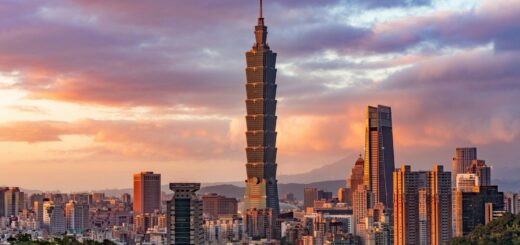
| TIP – All Tourist Areas Safe: Taipei (Taipei 101, Shilin Night Market, Ximending, Da’an District), Tainan (temple city, oldest city in Taiwan), Taichung (National Taichung Theater, Rainbow Village), Taroko Gorge (check for post-earthquake trail closures), Alishan (mountain railway, sunrise), Sun Moon Lake, Jiufen (inspiration for Spirited Away), Kenting National Park, Penghu Islands, Green Island — all safe. |
| WARNING – Mountain Trail Closures: Following earthquakes and typhoons, mountain trails (especially in Taroko Gorge) may be closed. Check the Taroko National Park website and Taiwan Tourism Bureau before attempting any mountain hike. Falling rocks are a genuine risk in gorge areas after earthquakes. |
4. Transportation
Taiwan Taoyuan International Airport (TPE) is the main hub; Taipei Songshan (TSA) handles some regional flights. The Taiwan High Speed Rail (THSR) connects Taipei to Kaohsiung in 90 minutes — excellent and affordable. The Taipei Metro (MRT) is clean, efficient, and cheap (NTD 20-65). Purchase an EasyCard (like an Oyster/Octopus card) for seamless travel on all public transport, buses, and YouBike rental. Uber and LINE Taxi operate in major cities. Renting a scooter is popular but the leading cause of tourist injury — wear a full-face helmet and exercise extreme caution.
| WARNING – Scooter Safety: Taiwan’s scooter culture is pervasive but accidents are frequent. If renting a scooter, always wear a helmet (mandatory by law), familiarise yourself with Taiwan’s left-hand traffic and scooter lanes, and never ride after drinking. Consider the HSR and public transport as alternatives. |
5. Health & Medical
Taiwan has excellent healthcare. National Taiwan University Hospital, Taipei Veterans General Hospital, and Tri-Service General Hospital are world-class. Taiwan’s National Health Insurance (NHI) system is one of Asia’s best — tourists can access emergency care affordably. Travel health insurance is still recommended. Main health concerns: dengue fever (southern Taiwan, peaks October-November); heat and humidity in summer (July-September); and altitude sickness on high mountain routes (Yushan/Jade Mountain at 3,952m).
6. Common Scams and Threats
| Scam Name | How It Works | How to Avoid It |
| Taxi Overcharging | Taxis refusing meters or taking long routes, particularly from Taoyuan Airport to Taipei. | Use the official taxi queue with meters. Uber and LINE Taxi offer transparent pricing. The Airport MRT to Taipei Main Station takes 35 minutes and costs NTD 150. |
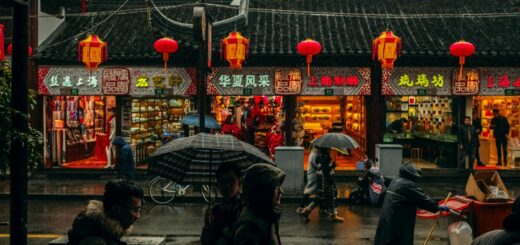
| Night Market Overpricing | Vendors quote tourist prices at popular night markets (Shilin, Raohe) above local norms. | Most night market prices are fixed and posted — they are generally fair. Compare with nearby stalls if a price seems high. |
| Rental Scooter Damage Claims | Scooter rental operators claim pre-existing damage was caused by the renter. | Photograph and video the scooter thoroughly before riding. Document all pre-existing damage on the rental form. |
| Fake or Overpriced Tea | Vendors in Alishan and Sun Moon Lake area sell low-quality tea as premium high-mountain oolong. | Purchase tea from established tea farms or the Taiwan Tea Research and Extension Station. Authentic Ali Shan oolong is expensive — be suspicious of bargain prices. |
| ATM Skimming | Skimming devices reported on some older ATMs in tourist areas. | Use ATMs inside convenience stores (7-Eleven, FamilyMart) which are ubiquitous, well-maintained, and accept most foreign cards. |
| Photography Confrontation | Military facilities near the coast and in sensitive areas prohibit photography. | Respect all military facility and sensitive area photography restrictions. |
| Fake Tour Operators | Unlicensed operators offer cut-price day tours to popular spots without proper insurance or guides. | Book tours through Tourism Bureau of Taiwan registered operators or through major hotel concierges. |
| Mountain Trail Hazard Unawareness | Tourists underestimate the difficulty and danger of Taiwan’s mountain trails. | Register your mountain itinerary with the police mountain rescue system (mountain.npa.gov.tw). Never hike alone on challenging routes. |
7. Legal and Cultural Considerations
Taiwan is a liberal democracy with strong rule of law. Drug laws are strict — possession and trafficking carry lengthy sentences. LGBTQ+ rights are the most progressive in Asia — Taiwan became the first Asian country to legalise same-sex marriage in 2019. Public displays of affection are accepted. Tipping is not customary (service charge is added to restaurant bills). Betel nut chewing is a local habit — do not chew betel nut if offered, as it is a Class 2 drug. Remove shoes when entering homes and some traditional restaurants.
8. Emergency Contacts
| Service | Number / Details |
| Police Emergency | 110 |
| Fire / Ambulance | 119 |
| Tourist Hotline (24hr, English) | 0800-011-765 |
| Coastguard | 118 |
| NTUH Taipei | +886 2 2312 3456 |
| MacKay Memorial Hospital Taipei | +886 2 2543 3535 |
| American Institute in Taiwan (AIT) | +886 2 2162 2000 |
| British Office Taipei | +886 2 8758 2088 |
| Australian Office Taipei | +886 2 8725 4100 |
| CWB Typhoon Info | cwb.gov.tw |
9. Safety Checklist
- Download the Central Weather Bureau app for typhoon and earthquake alerts
- Check Taroko National Park trail conditions before any gorge hike
- Register mountain itineraries with police (mountain.npa.gov.tw) for rescue purposes
- Purchase an EasyCard at Taoyuan Airport for all public transport
- Wear a full-face helmet if riding a scooter — accidents are the leading tourist injury
- Use the Airport MRT instead of taxis — faster, cheaper, no overcharging risk
- Purchase travel insurance covering typhoon disruption and earthquake evacuation
- Use ATMs inside 7-Eleven or FamilyMart convenience stores
- Know earthquake drop-cover-hold procedure
- If near coast after major earthquake, move to high ground immediately
- Register with your de facto embassy or trade office in Taipei