How to Stay Safe in Switzerland
Introduction
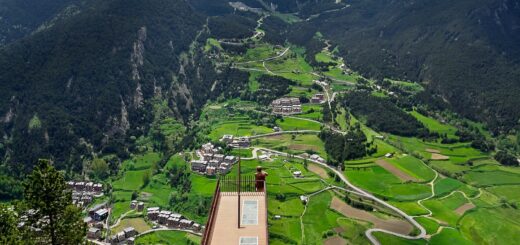
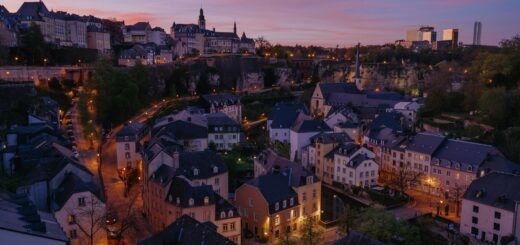
Switzerland, nestled in the heart of Western Europe and bordered by Germany, France, Italy, Austria, and Liechtenstein, is celebrated for its Alpine scenery, precision engineering, banking system, and exceptional quality of life. Visitors come for skiing in Zermatt, Verbier, and St. Moritz; hiking in the Bernese Oberland; the cosmopolitan culture of Zurich and Geneva; and the political heritage of Bern. Multilingual and multicultural, Switzerland seamlessly blends Germanic, French, Italian, and Romansh traditions.
Switzerland consistently ranks among the world’s top five safest countries. Crime against tourists is very low, and the country’s efficient, professional police force maintains high standards of public safety. The main challenges for tourists are Switzerland’s famously high cost of living, natural hazards in the Alpine environment, and a handful of tourist-targeted financial scams.
General Safety Overview
Violent crime is rare in Switzerland. Petty theft occurs in tourist-heavy areas — the old town of Zurich, Geneva’s Rue du Rhône and Old Town, Lucerne’s Chapel Bridge area, and Interlaken’s main street during peak season — but at low rates compared to European neighbours.
Switzerland’s rail network and road system are among the world’s best. The country experiences no significant political instability or terrorism risk, though it maintains security protocols at major transport hubs consistent with neighbouring countries.
Personal Safety & Crime Prevention
In Zurich, Geneva, and Lucerne, the main tourist areas see concentrated but relatively low-level pickpocketing, particularly around train stations and on trams. Keep valuables secure and be alert in crowded conditions.
Zurich’s Langstrasse district is the city’s red-light area and can be rough after dark — exercise caution and remain aware of your surroundings if you are in the area at night. Geneva’s Pâquis neighbourhood near the Gare Cornavin can similarly be uncomfortable late at night.
Transportation Safety
Switzerland’s train, bus, and cable car networks are exceptionally reliable and safe. Validate tickets before boarding — the Swiss Federal Railways (SBB/CFF/FFS) inspectors issue significant on-the-spot fines for travelling without a valid ticket.
Mountain roads are generally well-maintained but can be hazardous in winter conditions. Many alpine passes are closed from November to May — check the Via Suisse road conditions website before travelling. The Swiss motorway vignette is required for all vehicles using the motorway network — available at border crossings, post offices, and petrol stations.
Health & Medical Safety
Switzerland has world-class healthcare, though it comes at world-class prices. Medical treatment without insurance is extremely expensive — even a single night in a Swiss hospital can cost thousands of francs. Comprehensive travel insurance with medical coverage is essential for all visitors.
EU/EEA EHIC/GHIC cards are only partially useful in Switzerland — the country is not in the EU. Ensure your travel insurance specifically covers Switzerland’s higher medical costs. Pharmacies (Apotheke/Pharmacie/Farmacia) are excellent and pharmacists can advise on minor ailments.
Natural Hazards
The Swiss Alps present significant natural hazards. Avalanches are a serious risk in winter and spring — always check the SLF (Swiss Institute for Snow and Avalanche Research) bulletins and respect closure signs. Hiking above the treeline requires proper equipment and weather awareness; thunderstorms develop rapidly in summer afternoons.
Mountain hypothermia and altitude sickness are possible at higher elevations. Acclimatise gradually, carry appropriate clothing, and never underestimate weather changes in the Alps. Glacier travel requires experience or a guide — crevasse falls are a leading cause of mountain fatalities.
Digital & Financial Safety
Switzerland uses the Swiss franc (CHF), though euros are accepted in many tourist areas, usually at unfavourable exchange rates. Use Swiss franc transactions where possible. ATMs are widespread and generally reliable; use bank-affiliated machines and shield your PIN.
Switzerland has robust cybersecurity standards. Public Wi-Fi is available in most hotels, restaurants, and transport hubs. Use a VPN for sensitive activities. Swiss banking privacy laws are strong — do not give your bank details to anyone claiming to represent Swiss financial institutions without verifying their credentials through official channels.
Common Tourist Scams
Menu Shock at Tourist Restaurants
Switzerland is genuinely one of the world’s most expensive countries. Some tourist-focused restaurants in Lucerne, Interlaken, and Grindelwald display photo menus without prices, presenting bills that can be shockingly high — CHF 50–80 for a main course is not unusual at the upper end.
How to Avoid: Always ask for a menu with prices before sitting down. As a rough guide, a main course at a mid-range restaurant will cost CHF 30–50. Cheaper options include Migros, Coop, and Manor restaurant chains within supermarkets, which offer good-value hot meals.
Mountain Taxi & Transfer Overcharge
In ski resort towns like Zermatt, Verbier, and St. Moritz, unofficial transfer vehicles and unlicensed drivers charge tourist prices that are two to three times the legitimate rate.
How to Avoid: Book transfers through your hotel or official resort taxi services. In Zermatt (a car-free village), only official electric taxis operate — book through the resort’s official taxi service rather than accepting offers from individuals at the Täsch car park.
Currency Exchange at Tourist Kiosks
Exchange kiosks at major tourist sites and train stations outside the main banks advertise rates in a way that obscures commission structures, resulting in significantly less CHF than expected.
How to Avoid: Use UBS, Credit Suisse, or PostFinance ATMs/counters for currency exchange. Alternatively, use your debit/credit card directly for CHF transactions. Avoid exchange kiosks at airports except as a last resort.
Cable Car Timing Scam
In peak season, individuals near popular cable car bases in Grindelwald and Mürren claim the cable cars are fully booked and offer alternative ‘guided’ transport for a significant fee.
How to Avoid: Check cable car availability and book online through official resort websites (Jungfraubahn, Zermatt Bergbahnen, etc.). Cable cars are rarely fully booked without prior notice — verify at the official ticket window before accepting alternatives.
Fake Swiss Watch Sellers
On Zurich’s Bahnhofstrasse and in Geneva’s tourist areas, individuals sell counterfeit Swiss watches passed off as genuine discounted pieces from ‘overstocked’ dealers.
How to Avoid: Genuine Swiss watches are only purchased from authorised dealers with full documentation. Any ‘bargain’ watch sold on the street is counterfeit. Buying fake watches is illegal in Switzerland and items can be confiscated at customs on your return home.
Luggage Storage Unofficial Overcharge
Near major train stations in Zurich, Basel, and Geneva, informal luggage storage operators approach arriving tourists before they see the official SBB/CFF storage facilities, quoting prices above the official rate.
How to Avoid: Use only the official SBB Left-Luggage facilities (Gepäckaufbewahrung) inside the official station buildings. These are clearly signed and have transparent pricing on the SBB website.
Cultural Awareness & Etiquette
Switzerland has four official languages — German, French, Italian, and Romansh — and strong regional identities. In German-speaking areas, greeting with ‘Grüezi’; in French areas, ‘Bonjour’; in Italian areas, ‘Buongiorno’. Attempting the local language, even briefly, is warmly appreciated.
Swiss culture highly values punctuality, quiet, and respect for rules. Noise restrictions apply in residential areas after 10pm and on Sundays — including doing laundry in shared facilities. Recycling is taken seriously and there are strict rules for waste disposal that visitors should follow. Tipping is not obligatory — service is included in Swiss prices — but rounding up the bill is a common courtesy.
Emergency Contacts
| Service | Number |
| Police | 117 |
| Ambulance | 144 |
| Fire | 118 |
| General Emergency | 112 |
Note: Mountain rescue (Rega air rescue): 1414. REGA helicopter rescue is excellent but expensive without insurance — ensure travel insurance covers mountain rescue and evacuation. 112 also works from Swiss networks and routes to appropriate services.