How to Stay Safe in Sri Lanka
1. Introduction
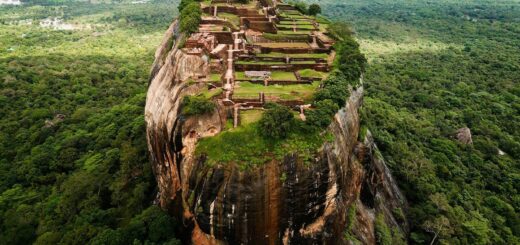
Sri Lanka, the ‘Pearl of the Indian Ocean,’ is a teardrop-shaped island nation of extraordinary natural and cultural wealth — arguably one of the most diverse travel experiences per square kilometre on earth. The country offers the UNESCO heritage temples of the Cultural Triangle (Sigiriya Rock Fortress, Dambulla Cave Temples, ancient Polonnaruwa and Anuradhapura); the British colonial hill station of Nuwara Eliya in the tea country; the old Dutch fort city of Galle; the wildlife of Yala National Park (the world’s highest density of leopards), Udawalawe (elephants), and Minneriya (elephant gathering); the surf breaks of Arugam Bay; and the magnificent whale watching of Mirissa and Trincomalee.
Sri Lanka borders India (across the Palk Strait). The capital is Sri Jayawardenepura Kotte (administrative) and Colombo (commercial). The currency is the Sri Lankan Rupee (LKR). The population is approximately 22 million. The official languages are Sinhala and Tamil; English is widely spoken.
| TIP — Overall Safety: Sri Lanka has largely recovered from its devastating 2019 Easter Sunday bombings and the 2022 economic crisis. Tourism is rebuilding. Crime against tourists is relatively low. The main concerns are traffic safety, water and food safety, ocean hazards, and the legacy of the 2022 economic crisis. |
2. Security Landscape
2.1 Post-Easter Bombing Context
On Easter Sunday 2019, coordinated suicide bombings at churches and luxury hotels (Shangri-La, Cinnamon Grand, Kingsbury) in Colombo and other locations killed 269 people, including many foreign nationals. The attacks were carried out by local ISIS-affiliated group NTJ. Counter-terrorism operations substantially dismantled the network. The threat level has been reduced but not eliminated. Security at major hotels, churches, and tourist sites has been significantly increased.
2.2 Economic Crisis
Sri Lanka experienced a catastrophic economic crisis in 2022 — shortages of fuel, medicine, and essential goods, along with massive currency devaluation, led to historic protests and the president fleeing the country. The situation has stabilised since mid-2023 with IMF support, but the effects linger: some businesses have closed, the tourism infrastructure is partially rebuilt, and prices remain in flux. Carry sufficient USD cash and research current exchange rates before travel.
2.3 Crime
Petty theft, bag snatching, and gem scams are the main tourist crime concerns. Sexual harassment of women tourists is documented, particularly in crowded areas and on beaches. Tuk-tuk overcharging is prevalent. Beach theft from unattended belongings is common at popular beaches (Mirissa, Unawatuna, Weligama).
3. Safe & Unsafe Areas
| TIP — Safe for Tourists: Colombo (city centre, Fort, Pettah), Galle (fort area), Cultural Triangle (Sigiriya, Dambulla, Polonnaruwa, Anuradhapura), Kandy, Nuwara Eliya (tea country), Arugam Bay (surf), Mirissa (whales), Trincomalee (east coast), Yala, Udawalawe, Minneriya national parks. |
| WARNING — Exercise Caution: Jaffna and the Northern Province (recovering from 26-year civil war, landmines in some areas — stay on marked roads). Mullaitivu district (still mine-clearing underway). Check current conditions before visiting the far north. |
4. Transportation
Bandaranaike International Airport (CMB) serves Colombo. Sri Lankan Railways operates scenic routes — the Kandy-Ella train journey through tea plantations is one of the world’s most beautiful rail journeys. Book train tickets at least 2-3 days in advance (or weeks for observation car seats on the Kandy-Ella route). Tuk-tuks (three-wheelers) are the most common tourist transport — meter is mandatory by law but rarely used. Negotiate fares. PickMe and Uber apps operate in Colombo. Intercity buses are cheap but overcrowded. Car rental with driver is recommended for comfort and safety.
| WARNING — Road Safety: Sri Lanka has a very high road accident rate. Tuk-tuks are involved in numerous accidents. Night driving is hazardous. Do not drive after dark on rural roads. |
5. Health & Medical
Medical facilities in Colombo (National Hospital, Nawaloka Hospital, Lanka Hospitals, Asiri Hospital) are reasonable. Outside Colombo, facilities are basic. Medical evacuation insurance is recommended. Key health risks: dengue fever (year-round, peaks during monsoon seasons); typhoid; hepatitis A; rabies (dog bites — seek immediate treatment); leptospirosis (contact with floodwater or mud); cholera (during flood periods); strong ocean currents and rip tides at many beaches; sun exposure (equatorial UV).
| WARNING — Ocean Rip Tides: Several tourist deaths occur annually from rip tides and strong currents at Sri Lankan beaches. Unawatuna, Mirissa, Hikkaduwa, and Arugam Bay all have dangerous rip tides at certain times. Swim only at flagged safe areas. Never swim alone. Follow lifeguard instructions. Red flags mean no swimming. |
6. Common Scams & Threats
| Scam Name | How It Works | How to Avoid It |
| Gem Scam | Friendly strangers (or even guides) lead tourists to gem shops claiming a once-in-a-lifetime deal on sapphires. Payment is made, gems are switched for worthless stones, or gems vastly overvalued. | Never buy gems as investment from strangers or recommended shops. Sri Lanka does have genuine sapphires — purchase only from certified Gems & Jewellery shops registered with the National Gem and Jewellery Authority. |
| Tuk-Tuk Commission Scam | Drivers take tourists to shops, guesthouses, or restaurants for commission rather than the requested destination. | Be firm about your destination. Agree fares before departure. Use PickMe or Uber in Colombo. |
| Fake Ayurvedic Medicine | Vendors sell fake or ineffective ‘herbal remedies’ at tourist prices. | Only buy Ayurvedic products from licensed practitioners or established pharmacies. |
| Temple Donation Scam | At lesser-known temples, individuals claim a special ceremony or blessing requires a donation. | Offer only voluntary donations in official donation boxes. |
| Wildlife Safari Overpricing | Unofficial jeep operators at Yala charge inflated prices and may approach animals dangerously. | Book Yala safaris through licensed operators in Tissamaharama. Do not enter Yala without a licensed jeep and tracker. |
| Beach Vendors Pressure | Vendors on beaches at Hikkaduwa, Unawatuna, and Mirissa aggressively tout and follow tourists. | Be firm, polite, and walk away. Engage security at your resort if harassment persists. |
| Fake Tourist Offices | Unlicensed offices near Colombo Fort and Kandy sell overpriced tours and transport. | Book tours through your hotel or Sri Lanka Tourism Development Authority (SLTDA) registered operators. |
| Short-changing | Tuk-tuk drivers and small vendors short-change tourists unfamiliar with LKR denominations. | Familiarise yourself with LKR notes. Count change before departing. |
7. Legal & Cultural Considerations
Sri Lanka is a majority Buddhist country (70%) with significant Hindu, Muslim, and Christian minorities. Dress modestly at all temples and religious sites — shoulders and knees covered, and remove shoes. Women must also cover their shoulders. Do not pose for photographs pointing at Buddha images or touching sacred statues — this caused a diplomatic incident when a tourist was deported for photographing herself with a Buddha statue. Drug laws carry severe penalties. LGBTQ+ relationships are illegal under the Penal Code (Section 365 — a remnant of British colonial law) though enforcement against tourists is rare.
8. Emergency Contacts
| Service | Number / Details |
| Police Emergency | 119 |
| Ambulance | 110 |
| Fire Service | 111 |
| Tourist Police Colombo | +94 11 242 1052 |
| Lanka Hospitals Colombo | +94 11 553 0000 |
| Nawaloka Hospital Colombo | +94 11 254 4444 |
| UK High Commission Colombo | +94 11 539 0639 |
| US Embassy Colombo | +94 11 249 8500 |
| Australian High Commission | +94 11 246 3200 |
| SLTDA Tourist Helpline | 1912 |
9. Safety Checklist
- Book Kandy-Ella train observation seats well in advance
- Never buy gems as investment from strangers — only from NGJA-certified dealers
- Swim only at flagged safe areas — rip tides kill tourists annually
- Apply DEET repellent — dengue is year-round
- Use PickMe or Uber in Colombo for fair-priced transport
- Dress modestly at all Buddhist temples and religious sites
- Do not pose irreverently with Buddha statues — deportation risk
- Seek immediate medical treatment for animal bites (rabies risk)
- Purchase medical evacuation insurance
- Register with your embassy
- Book Yala safaris only through SLTDA-registered operators