How to Stay Safe in South Sudan
1. Introduction & CRITICAL WARNING
| ⚠ DO NOT TRAVEL: South Sudan carries a DO NOT TRAVEL designation from virtually all Western governments—one of the world’s highest risk travel ratings. The world’s newest country (independence from Sudan: July 9, 2011) descended into catastrophic civil war in December 2013, just two years after independence, when a political dispute between President Salva Kiir and former Vice President Riek Machar erupted into fighting between their respective ethnic militias. The war killed an estimated 400,000 people, displaced over 4 million, and created one of the world’s largest humanitarian crises. A fragile peace deal was signed in 2018 and a transitional government formed in 2020, but intercommunal violence, armed militia activity, and periodic fighting continue across much of the country. |
South Sudan is not a viable tourist destination in its current state. This guide is provided exclusively for humanitarian workers, journalists, diplomats, UN personnel, and those with specific operational requirements to be in the country. If you do not have a compelling professional necessity to be in South Sudan, do not travel there.
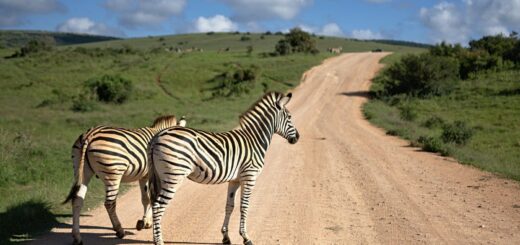
South Sudan has extraordinary natural potential—the Sudd (one of the world’s largest wetlands), Boma National Park (scene of large mammal migrations comparable to the Serengeti), the Nile River, and remarkable tribal cultural diversity. These attractions remain largely inaccessible due to ongoing insecurity. When peace returns, South Sudan could become one of Africa’s great wilderness destinations.
2. Security Landscape
Juba, the capital, is the only area where there is a semblance of international community infrastructure. Even Juba has experienced heavy fighting—most dramatically in July 2016 when fighting between Kiir and Machar forces engulfed the capital including the UN compound, killing aid workers and peacekeepers. The situation has stabilised since then, but Juba can erupt with little warning during political crises.
Outside Juba, virtually the entire country is affected by some level of armed conflict, intercommunal cattle raiding violence, or militia activity. The Equatoria states (historically the most stable) have experienced significant violence from NAS (National Salvation Front) and other armed groups. The Upper Nile, Unity, and Jonglei states remain highly volatile with ethnic militia clashes. The Nuer and Dinka communities—the largest ethnic groups—have been the primary belligerents in the civil war.
| ⚠ Outside Juba: Do not travel outside Juba without armed security escorts, comprehensive operational planning, the backing of a major international organisation (UN, ICRC, MSF), and current intelligence on route security. Even routes considered ‘open’ can become contested without warning. Roadblocks by armed youth militias are common throughout the country. |
3. If You Must Travel: Juba Basics
Juba is a sprawling, rapidly built city on the White Nile. It has basic international infrastructure—some hotels (Pearl of Nile Hotel, Juba Regency, Eden Hotel) provide acceptable standards with security measures. The UN and NGO compounds provide their own security. The international airport (Juba International Airport) connects to Nairobi, Addis Ababa, Kampala, Dubai, and Cairo.
Movement within Juba should be minimised and planned. Avoid night movement entirely. Keep to known, frequented routes. Know the location of all UN compounds, your embassy, and international organisation offices. Have multiple emergency contacts. The situation in Juba can change from calm to dangerous within hours during political crises.
| ✔ UNDSS Briefings: The UN Department of Safety and Security (UNDSS) in Juba provides regular security briefings for international staff. Attend these if you are authorised to do so—they provide the most current and accurate security information available. |
4. Transportation
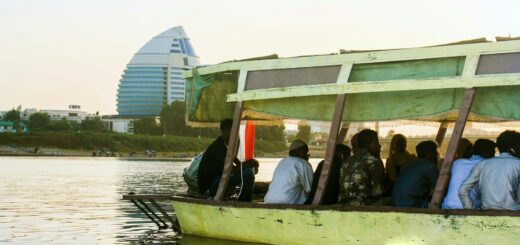
Flying in and out of Juba is the only safe entry method. All road travel outside Juba is extremely hazardous—roadblocks by armed militia, ambushes, and vehicle seizures are documented on virtually all major routes. The road to Uganda (Nimule border) is used by humanitarian convoys with armed escorts; it carries significant risk. Boat travel on the Nile is used by some humanitarian operations but also carries risk from armed groups.
UN Humanitarian Air Service (UNHAS) operates flights between Juba and field locations for humanitarian workers. Commercial charters are available for organisations that do not qualify for UNHAS. Flying is the only viable option for any movement beyond Juba’s immediate vicinity.
| ⚠ No Road Travel: Do not travel by road outside Juba without armed escort and current route security clearance. This is not a precaution—it is a survival requirement. Multiple aid workers, journalists, and civilians have been killed on South Sudanese roads. |
5. Health & Medical Safety
South Sudan faces catastrophic public health conditions. Malaria is endemic and is a leading cause of death. Yellow fever vaccination is required. Cholera, meningitis, typhoid, visceral leishmaniasis (kala-azar), sleeping sickness, Ebola (historical border area), and hepatitis are all significant risks. Acute malnutrition is widespread in conflict-affected areas. The health system has essentially collapsed outside Juba—even in the capital, facilities are critically limited.
Medical facilities in Juba include the Juba Teaching Hospital (severely under-resourced), some NGO clinics (MSF, International Medical Corps), and a few private facilities. For anything serious, medical evacuation to Nairobi or Entebbe (Uganda) is the only realistic option. Carry a comprehensive personal medical kit including antimalarials, oral rehydration salts, antibiotics, and wound care supplies. Medical evacuation insurance is not optional—it is a fundamental requirement.
| ⚠ Malaria Emergency: Malaria in South Sudan can progress to cerebral malaria (fatal without treatment) very rapidly. Any fever in South Sudan must be assumed to be malaria and tested immediately. Carry rapid diagnostic tests and artemisinin combination therapy (ACT) for emergency self-treatment if you cannot reach a doctor. |
6. Key Risks Summary
| Scam Name | How It Works | How to Avoid It |
| Armed Roadblock Extortion | Militias and armed youth set up roadblocks demanding money, goods, mobile phones, or vehicles. These can become violent instantly. | Do not travel by road outside Juba. If caught at a roadblock, remain calm, hand over requested items without resistance—your life is worth more than any possession. |
| Kidnapping | NGO workers, journalists, and Western nationals have been kidnapped for ransom. This includes abductions in Juba. | Maintain low profile. Vary routines. Limit predictable patterns. Follow all security protocols of your organisation. |
| Arbitrary Detention | Security forces (NSS—National Security Service) detain foreigners suspected of espionage, journalism, or criticism of the government. | Carry institutional documentation. Register with your embassy. Do not photograph anything without explicit clearance. Do not discuss politics publicly. |
| Counterfeit Currency | Counterfeit South Sudanese Pounds (SSP) and USD are in circulation. | Use only official bank exchange or trusted organisational channels for currency. USD in good condition is widely preferred. |
| Fuel / Supply Diversion | Individuals claim to facilitate access to essential supplies (fuel, food) for payment, then disappear or deliver nothing. | Source supplies through your organisation’s established procurement channels only. |
7. Legal & Political Considerations
South Sudan operates under a transitional governance framework. The NSS (National Security Service) has broad powers to detain without charge. Journalists and human rights investigators face particular risk—several have been killed or detained for extended periods. Photography of military, government buildings, the presidency, infrastructure, and troop movements is strictly prohibited.
Homosexuality is illegal in South Sudan. Drug laws carry heavy penalties. There is effectively no functioning civil legal system in much of the country—disputes are resolved through customary law (which varies by ethnic community) or through force.
8. Emergency Contacts
| Service | Number / Info |
| UNDSS Juba (Security) | +211 912 105 080 |
| Juba Teaching Hospital | +211 912 333 399 |
| MSF Emergency Juba | +211 912 000 080 |
| US Embassy Juba | +211 912 105 188 |
| British Embassy Juba | +211 912 556 701 |
| EU Delegation Juba | +211 956 990 043 |
| UNHAS Flight Bookings | Juba@wfp.org |
| ICRC Juba | +211 912 177 020 |
9. Pre-Departure Checklist (Operational / Emergency Travel Only)
- Obtain full security briefing from your organisation, UNDSS, and government
- Register with your embassy before and immediately after arrival
- Attend UNDSS security briefing upon arrival in Juba
- Get Yellow Fever vaccination, full tropical disease suite, and begin antimalarials
- Carry rapid malaria test kits and ACT antimalarial treatment
- Purchase K&R (kidnap and ransom) and medical evacuation insurance
- Carry comprehensive personal medical kit—supplies are essentially unavailable
- Have multiple evacuation plans: air primary, no viable road alternative
- Maintain satellite communications outside Juba
- Share detailed itinerary with multiple trusted contacts and check in at set intervals
- Maintain lowest possible profile—no display of affiliation, wealth, or visible nationality
- Know the locations of all UN compounds, your embassy, and NGO offices
- Have emergency rally points agreed upon with your team before any movement