How to Stay Safe in South Africa
1. Introduction
South Africa is one of Africa’s most popular and diverse tourist destinations—a country of extraordinary contrasts: world-class Cape Town with Table Mountain and the Cape Winelands, the Big Five safari in Kruger National Park, the Drakensberg mountains, the Garden Route coastal drive, vibrant Johannesburg, the Nelson Mandela legacy, diverse cultural experiences from Zulu traditions to Cape Malay culture, and some of the world’s finest wines, foods, and restaurants.
South Africa is also one of the world’s most unequal and highest-crime countries. It consistently ranks in the top 10 globally for murder rates (approximately 20,000 murders per year), has endemic carjacking, violent home invasion, and high rates of theft and fraud. These statistics coexist with a sophisticated tourism industry and millions of successful visits annually—but tourists must be well-prepared. South Africa demands more caution than its developed-world pricing and infrastructure might suggest.
| ⚠ High Crime Environment: South Africa’s crime statistics are genuinely alarming. This does not mean you cannot visit safely, but it requires constant vigilance, sound preparation, and awareness of which areas to avoid. Do not walk between tourist areas or display valuables. Use trusted transport. Do not leave valuables in vehicles—even for 30 seconds. |
2. Security Landscape
Johannesburg (Jo’burg) has the highest crime rate of any major tourist destination in South Africa. The inner city (Hillbrow, Yeoville, Joubert Park) is effectively no-go for tourists. Sandton, Rosebank, and Melville are the main tourist and business districts and are considerably safer but still require vigilance. Smash-and-grab attacks on vehicles at traffic lights are very common—windows up, doors locked, no valuables visible.
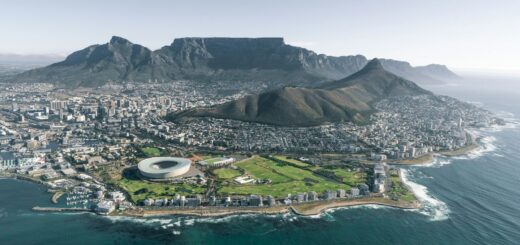
Cape Town has spectacular tourist infrastructure but also significant crime. The Cape Flats townships (Khayelitsha, Mitchells Plain) have extremely high crime rates fuelled by gang violence. The tourist areas (City Bowl, V&A Waterfront, Sea Point, Camps Bay, Green Point) are generally safer with appropriate precautions. Muggings in the City Bowl and on mountain paths (Lion’s Head, Signal Hill) have been reported—go in groups.
Durban has a significant crime problem. Port Elizabeth/Gqeberha has moderate crime. The Kruger National Park area (particularly Hazyview, Nelspruit/Mbombela) has crime around the park gates. The Drakensberg, Garden Route, and Winelands are generally safer but still require standard precautions.
| ⚠ Mountain Path Muggings (Cape Town): Muggings on Table Mountain, Lion’s Head, and Signal Hill footpaths have become increasingly common. Hiking in groups is strongly recommended. Do not carry valuables or wear expensive jewellery. The cable car route is generally safer than some footpaths. |
3. Safe vs. Risky Areas
Generally Manageable (with precautions)
Cape Town: V&A Waterfront (secure, patrolled), De Waterkant, Sea Point, Camps Bay (daytime). Johannesburg: Sandton, Rosebank, Melrose Arch, Maboneng precinct (with care). Kruger National Park: Inside the fenced park is safe; Skukuza, Satara, and rest camps are well-managed. Garden Route: Knysna, Plettenberg Bay, Mossel Bay, Wilderness. Drakensberg: Royal Natal, Giants Castle, Cathedral Peak. Cape Winelands: Stellenbosch, Franschhoek, Paarl.
Avoid
Johannesburg inner city (Hillbrow, Berea, Joubert Park). Cape Flats and townships without guided tour. Durban beachfront at night. Isolated parking areas. Walking between tourist sites without transport.
4. Transportation Safety
Self-driving is the most practical way to see South Africa’s highlights. Major car rental companies are present at all main airports. Roads are in generally good condition. Never park in an unattended area and never leave anything visible in a vehicle—windows are smashed for a bag left on the seat.
Public transport in South Africa is poor and crime-affected. The Gautrain (Johannesburg) is the main exception—a reliable, safe commuter rail connecting OR Tambo Airport, Sandton, Rosebank, and Pretoria. The MyCiTi Bus in Cape Town is reasonably safe. Do not use the minibus taxi industry (extremely dangerous—high accident rate and taxi violence). Uber and Bolt are widely available and strongly recommended for urban transport in Johannesburg and Cape Town.
South African Airways and other carriers (FlySafair, Airlink, CemAir) connect main cities. Domestic flying is recommended between Johannesburg and Cape Town (2-hour flight vs. 14-hour drive).
| ⚠ Minibus Taxis: South Africa’s minibus taxi industry has an extremely high accident rate and has been associated with periodic violence between competing operators. Never use minibus taxis as a tourist. Use Uber, Bolt, or hotel-arranged transport instead. |
| ✔ Uber/Bolt: Uber and Bolt are widely used and are the safest urban transport option in Johannesburg, Cape Town, and Durban. Always use the app—never accept a ride from a stranger claiming to be an Uber driver. Verify the vehicle registration and driver photo before getting in. |
5. Health & Medical Safety
Malaria is present in the Limpopo and Mpumalanga lowveld areas (Kruger National Park environs, TFCA) and in KwaZulu-Natal northern regions—antimalarials are recommended for these areas. Cape Town, Johannesburg, and the Drakensberg are malaria-free. Yellow fever vaccination is required if arriving from endemic countries.
South Africa has excellent medical facilities by African standards. In major cities, private hospitals (Netcare, Life Healthcare, Mediclinic) provide world-class care. Government hospitals are under-resourced. Travel insurance covering private hospital treatment is strongly recommended—public hospitals can be overwhelmed. Medical evacuation is rarely necessary given the quality of private facilities.
HIV/AIDS prevalence is high in South Africa. Sun protection is important—the UV index is extreme at the altitude of Johannesburg (1,700m above sea level). Food safety at established restaurants is generally excellent. Tap water is safe to drink in most cities.
6. Common Scams & How to Avoid Them
| Scam Name | How It Works | How to Avoid It |
| Smash-and-Grab at Traffic Lights | Criminals shatter car windows at red lights to grab visible bags, phones, and valuables. | Keep windows up, doors locked, and valuables completely out of sight. Place bags in the boot before driving. |
| ATM Scams | ATM card skimming devices capture card data; ‘helpful strangers’ distract you during PIN entry. | Use bank-branch ATMs during banking hours. Cover the PIN pad. Shield your number from anyone nearby. Check for unusual card readers. |
| Fake Petrol Attendants / Pump Scam | An attendant claims to have pumped more fuel than shown on the metre, or claims the metre was broken. | Watch the pump reset to zero before fuelling. Verify the litre count matches the amount before paying. |
| Kruger Gate Accommodation Touts | Near Kruger National Park entrance gates, individuals claim to know of available accommodation at non-existent lodges. | Book all Kruger accommodation through SANParks (www.sanparks.org) or verified lodges. Never pay cash to individuals near gates. |
| Cape Town Kirstenbosch Fake Guide | Individuals outside Kirstenbosch Botanical Gardens claim to be official guides. | Book guides through Kirstenbosch’s official services. Official guides have accreditation. |
| V&A Waterfront Overcharging | Some restaurants at the Waterfront add undisclosed fees to bills. | Read menus carefully, note service charge policies, and check bills thoroughly before paying. |
| Friendship Leads to Robbery | A ‘friendly local’ engages you in conversation in Johannesburg or Cape Town, then leads you to a quiet area where accomplices rob you. | Do not follow strangers to unfamiliar areas. Maintain situational awareness in city centres. |
| Online Safari Fraud | Fraudulent websites pose as genuine Kruger lodges or private game reserves. | Book lodges through SANParks, verified booking platforms, or directly via official lodge websites. Check physical address and phone numbers. |
| Fake Police Officers (Johannesburg) | Plain-clothes ‘police’ demand to see your wallet to check for ‘counterfeit currency.’ | Ask for official badge and ID. Request to go to the nearest police station. Legitimate officers never conduct roadside wallet checks on tourists. |
| Airport Taxi Overcharging | OR Tambo Airport unofficial taxis charge enormous rates. | Use the Gautrain from OR Tambo (safe, fast, affordable). Book hotel pickup in advance. Use Uber from the designated Uber pickup area. |
7. Legal Considerations
South Africa has one of Africa’s most progressive constitutions. Same-sex marriage has been legal since 2006. Drug possession carries penalties; recreational cannabis was decriminalised for private use in 2018 but remains illegal in public. Carry a copy of your passport at all times—the original should be locked in your hotel safe. Photography of military installations and ports is restricted.
South Africa has complex racial and social history. Discussions about apartheid history, land reform, and current inequality are part of daily life. Engage with these topics thoughtfully and respectfully. Crime and inequality are deeply interconnected social issues, not simply law enforcement failures.
8. Cultural Awareness
South Africa has 11 official languages and extraordinary cultural diversity—from Zulu and Xhosa traditions to Afrikaner culture, Cape Malay cuisine and Islamic heritage, Indian diaspora culture in KwaZulu-Natal, and the Rainbow Nation’s ongoing process of reconciliation and nation-building. The Nelson Mandela legacy, Robben Island, and the Apartheid Museum (Johannesburg) are essential to understanding modern South Africa.
| ✔ Township Tours: Guided township tours (Soweto in Johannesburg, Langa in Cape Town) provide powerful insights into apartheid history and contemporary township life. Choose reputable, community-linked operators. These are generally safe in guided group settings and are among the most rewarding experiences South Africa offers. |
9. Emergency Contacts
| Service | Number / Info |
| Police Emergency | 10111 |
| Ambulance / Fire | 10177 or 112 (mobile) |
| Netcare Emergency | 082 911 |
| ER24 Emergency | 084 124 |
| US Embassy Pretoria | +27 12 431 4000 |
| British High Commission Pretoria | +27 12 421 7500 |
| Cape Town Tourism | +27 21 487 6800 |
| SANParks (Kruger bookings) | +27 12 428 9111 |
| Gautrain (airport rail) | +27 11 086 1 GAUTR |
10. Pre-Departure Safety Checklist
- Read specific city advisories—note Johannesburg inner city warnings
- Get Yellow Fever vaccination if required; get antimalarials for Kruger/KZN north
- Purchase travel insurance with private hospital coverage
- Install Uber and Bolt before departure and set up payment
- Book car rental—arrange airport pickup rather than street taxi
- Book Kruger accommodation through SANParks well in advance (fills fast in school holidays)
- Carry NO valuables visibly in vehicles at any time—bags must go in the boot
- Know the no-go areas of each city you’re visiting
- Register with your embassy before travel
- Take photos of all important documents before leaving
- Notify your bank you’re travelling to South Africa to prevent card blocking