How to Stay Safe in Somalia
1. Introduction & CRITICAL WARNING
| ⚠ DO NOT TRAVEL: Somalia carries a DO NOT TRAVEL designation from virtually all Western governments—one of the world’s highest risk ratings. Somalia has had no functioning central government from 1991 to 2012, and even since the establishment of the Federal Government of Somalia (FGS), security control across the country is fragile. Al-Shabaab—an Al-Qaeda affiliate—controls large areas of southern and central Somalia and regularly conducts bombings, assassinations, and mass-casualty attacks in Mogadishu and other cities. Kidnapping of foreigners is common and Westerners face particular risk. |
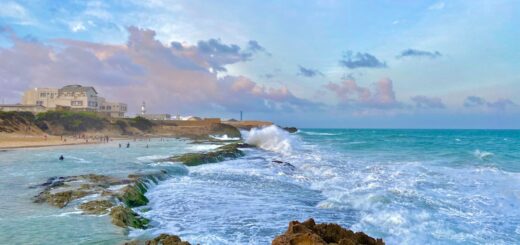
Somalia has genuinely extraordinary features: ancient history (it was part of the ‘Land of Punt’ traded with by ancient Egypt), extraordinary Indian Ocean coastline (some of the world’s most pristine, untouched beaches), the port of Berbera, and a resilient, entrepreneurial population. Parts of Somaliland (the self-declared independent republic in the northwest) and Puntland are more stable. However, this guide must be direct: Somalia in its current state is not a viable tourist destination for general travellers. This guide is provided for humanitarian workers, journalists, and those with critical operational requirements.
2. The Somalia Security Mosaic
Somalia is not a single security environment—it is multiple overlapping crises. Southern Somalia (Bay, Bakool, Lower and Middle Jubba, Lower and Middle Shabelle regions) has the strongest Al-Shabaab presence. Mogadishu is a front-line city—the government controls the city with African Union forces (ATMIS) support, but Al-Shabaab conducts regular complex attacks including VBIED (vehicle-borne IED) bombings, assassinations, and attacks on hotels, government buildings, and international community premises.
Somaliland, in the northwest, has maintained a functioning government since 1991 and is relatively stable by Somali standards—Hargeisa, the capital, is accessible with reasonable precautions. Puntland (northeast) is somewhat more stable than south-central but still has piracy, clan violence, and Al-Shabaab activity. The Kenya border area (Gedo region) is extremely dangerous.
| ⚠ Mogadishu: Mogadishu experiences terrorist attacks with regularity. VBIED bombings at hotels and checkpoints, suicide attacks, and assassinations are recurrent. Even the ‘green zone’ (containing the international community, embassies, and government) is not immune—it has been attacked multiple times. No location in Mogadishu should be considered secure. |
3. Somaliland: A Partial Exception
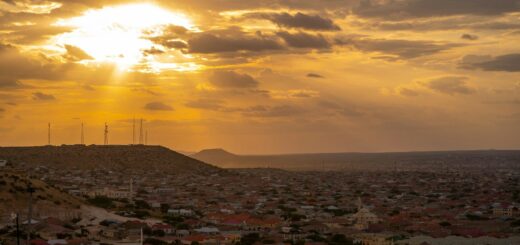
Somaliland (capital Hargeisa) is substantially different from southern Somalia. It has a functioning government, elections, independent media, and a much lower security threat level. Hargeisa is a manageable city with real tourism appeal—the prehistoric cave paintings of Laas Geel (some of the oldest and best-preserved in Africa), good seafood, and a vibrant camel market. Several Western governments have a separate (lower) advisory for Somaliland. Check your government’s specific Somaliland advisory rather than applying the Somalia-wide rating.
| ✔ Somaliland Visit: If you have a genuine interest in visiting the region, Somaliland is the only responsible option for tourism. Fly to Hargeisa via Nairobi, Addis Ababa, or Dubai. Stay in established hotels. Book guides locally. Laas Geel cave paintings are genuinely extraordinary and worth the journey for those with appropriate experience. |
4. Health & Medical Safety
Somalia has catastrophic public health challenges. Malaria is endemic and often drug-resistant. Yellow fever, cholera, typhoid, and polio (Somalia had a polio outbreak in recent years) are all significant risks. Medical facilities are non-existent outside a few private clinics in Mogadishu and Hargeisa. Medical evacuation to Nairobi is the only option for serious illness or injury. Comprehensive evacuation insurance is a non-negotiable requirement.
5. Key Risks Summary
| Scam Name | How It Works | How to Avoid It |
| Kidnapping for Ransom | Westerners are high-value kidnapping targets for Al-Shabaab and criminal networks. This is not opportunistic—it is systematic. | Do not travel to Somalia proper without K&R insurance, vetted security teams, and official operational necessity. |
| IED / VBIED Attacks | Al-Shabaab conducts vehicle-borne and person-borne IED attacks at hotels, restaurants, government buildings, and checkpoints. | Vary all routines. Never park near large vehicles at busy venues. Know emergency exit routes from all buildings. |
| Corrupt Official Extortion | Officials at all levels demand payments. In a failed state context, ‘officials’ may not represent any legitimate authority. | Work through your organisation’s established local relationships. Never travel without vetted local support. |
| Clan Violence | Inter-clan violence can erupt rapidly and with little warning. Foreigners can become caught in crossfire or targeted. | Monitor local intelligence. Have a safe room or evacuation point identified. Maintain constant contact with your organisation. |
| Piracy (Maritime) | Somali piracy has decreased but not been eliminated. Private vessels are at risk in certain maritime zones. | Consult IMB (International Maritime Bureau) piracy reports before any maritime travel near Somalia. |
6. Emergency Contacts (Somaliland / Hargeisa)
| Service | Number / Info |
| Police Hargeisa | +252 63 440 8888 |
| Edna Adan Hospital Hargeisa | +252 63 440 4902 |
| UK Representative Office Hargeisa | +252 63 440 8024 |
| UNDP Somalia (Nairobi coordination) | +254 20 762 4000 |
7. Pre-Departure Checklist (Emergency Travel / Somaliland Only)
- Obtain full security briefing from your organisation and government
- Register with all relevant embassies and diplomatic missions
- Obtain full medical vaccination suite including Yellow Fever and Polio booster
- Begin antimalarials before departure
- Purchase K&R and evacuation insurance
- Arrange vetted local security and logistics before arrival
- Maintain satellite communications at all times outside urban areas
- Have multiple evacuation routes and emergency rally points planned
- Brief trusted contacts with itinerary and multiple daily check-in times