How to Stay Safe in Singapore
1. Introduction
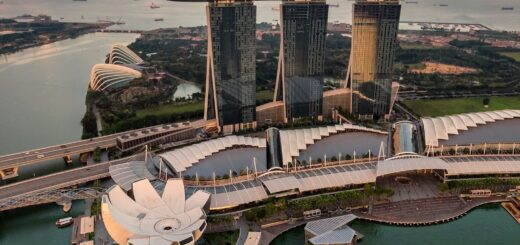
Singapore is one of Asia’s most celebrated city-states — a compact, efficient, spectacularly clean, and remarkably safe global hub at the southern tip of the Malay Peninsula. Despite being smaller than many cities, Singapore punches far above its weight: it is Asia’s top financial centre, home to one of the world’s busiest container ports, consistently rated the world’s best airport (Changi), and offers extraordinary dining (hawker centres elevated to UNESCO Intangible Cultural Heritage), world-class gardens (Gardens by the Bay), incredible architecture (Marina Bay Sands, the Helix Bridge, Jewel Changi), vibrant multicultural neighbourhoods (Chinatown, Little India, Arab Street/Kampong Glam), and Sentosa Island’s beaches and Universal Studios.
Singapore is a city-state of 728 square kilometres with a population of 5.9 million. The currency is the Singapore Dollar (SGD), pegged 1:1 with Brunei Dollar. The official languages are English, Mandarin, Malay, and Tamil — English is the language of government, business, and tourism.
| TIP — Overall Safety: Singapore is consistently rated the safest city in Asia and one of the safest in the world. Violent crime rates are extremely low. The main ‘hazards’ for tourists are strict laws, heavy fines, and the cost of living — not personal security threats. |
2. Security Landscape
Singapore has an extremely low crime rate. Police presence is visible and effective. The main risks to tourists are: petty theft (rare but can occur in crowded MRT stations and busy hawker centres); scams (romance scams, investment scams, phone scams targeting residents are more common than tourist scams); and occasional incidents in Geylang (Singapore’s red-light district), which tourists should visit with standard precautions. Terrorism: Singapore takes the threat seriously given its position as a global hub, and has prevented multiple plots. Security at key landmarks (Marina Bay, Changi) is thorough.
3. Legal Environment — Strict Laws
| WARNING — Heavy Fines: Singapore’s strict rule of law is famous. Heavy fines apply for: littering (SGD 300); spitting (SGD 1,000); eating or drinking on the MRT (SGD 500); jaywalking (SGD 20-1,000); smoking in prohibited areas; urinating in lifts (ammonia detectors trigger police); chewing gum (sale and import banned since 1992 — medical gum with a prescription is an exception). |
| WARNING — Drug Laws: Singapore has mandatory death penalty for drug trafficking above threshold quantities. Even small quantities of recreational drugs result in lengthy imprisonment. Never carry drugs into or within Singapore. |
LGBTQ+ rights: Section 377A (criminalising male homosexual acts) was repealed in November 2022, but same-sex marriage is not legally recognised. Singapore is generally more socially accepting than many Asian countries, particularly in cosmopolitan areas. LGBTQ+ travellers can visit comfortably with standard discretion in public.
4. Transportation
Changi Airport (SIN) is consistently rated the world’s best airport — the Jewel Changi indoor waterfall and botanical garden is worth visiting even in transit. Singapore’s Mass Rapid Transit (MRT) is one of the world’s best urban rail systems — clean, air-conditioned, punctual, and affordable (SGD 0.92-2.20). Purchase an EZ-Link card on arrival for seamless travel. Grab is the primary ride-hailing app. Taxis are metered and reliable. Singapore is a walkable city — the Marina Bay, Orchard Road, and Chinatown areas are easily explored on foot.
5. Health & Medical
Singapore has world-class medical facilities. Public hospitals (Singapore General Hospital, National University Hospital, Tan Tock Seng Hospital) and private hospitals (Mount Elizabeth, Gleneagles, Raffles Hospital) offer exceptional care. Singapore is a major medical tourism destination. Travel health insurance is still recommended for cost management. Main health concern: dengue fever — Singapore has dengue clusters year-round. Check the National Environment Agency (NEA) dengue cluster map before visiting specific neighbourhoods. Use DEET repellent. Heat and humidity (year-round 30-34°C with high humidity) require adequate hydration.
6. Common Scams & Threats
| Scam Name | How It Works | How to Avoid It |
| Overpriced Tourist Taxis | Some taxi drivers at tourist hotspots charge premium rates without the meter. | Use Grab app exclusively for transparent pricing. Metered taxis are also reliable — ensure the meter starts. |
| Gem Investment Scam | Friendly strangers (often near Orchard Road or Little India) propose gem investment opportunities. | Singapore is a sophisticated financial centre but tourist gem investment scams still occur. Ignore unsolicited business proposals from strangers. |
| Time-Share Presentations | Approach in tourist areas offering ‘free show tickets’ in exchange for attending a timeshare presentation. | Decline all offers of free gifts conditional on attending presentations. |
| Fake Currency Notes | Rare — counterfeit SGD notes occasionally appear. | Check SGD notes for security features (colour-shifting number, security thread, watermark). |
| Overcharging at Non-Standard Restaurants | Some tourist-targeted restaurants in Chinatown or Clarke Quay have higher-than-standard prices. | Check menus and prices before ordering. Singapore’s hawker centres are the most authentic and fair-priced dining option. |
| Romance/Phone Scams | More common targeting Singapore residents but tourists can also be approached online. | Never send money to people you have only met online or briefly in person. |
| Expensive ‘Durian’ Experience | Durian vendors near tourist areas charge tourist prices far above local rates. | Visit local wet markets or shop at supermarkets for fairly priced durian. |
7. Cultural Tips
Singapore is a multicultural society — Malay, Chinese, Indian, and Eurasian communities coexist harmoniously. Respect this diversity: remove shoes before entering Hindu temples and mosques; dress modestly at places of worship; do not point with your finger (use an open hand instead) — particularly important in Malay culture. Tipping is not customary in Singapore — a 10% service charge is usually added to restaurant bills. Hawker centre dining (no tips, self-service) is the local standard.
8. Emergency Contacts
| Service | Number / Details |
| Police Emergency | 999 |
| Ambulance / Fire | 995 |
| Non-Emergency Police | 1800 255 0000 |
| Singapore General Hospital | +65 6222 3322 |
| Mount Elizabeth Hospital | +65 6737 2666 |
| Raffles Hospital | +65 6311 1111 |
| UK High Commission Singapore | +65 6424 4200 |
| US Embassy Singapore | +65 6476 9100 |
| Australian High Commission | +65 6836 4100 |
| NEA Dengue Hotline | 1800 2255 632 |
9. Safety Checklist
- Do not bring gum (non-medical), recreational drugs, or any prohibited items
- Observe all MRT rules — no eating, drinking, durians, or flammable liquids
- Do not litter — fines are substantial
- Use Grab or metered taxis — never ride with unlicensed drivers
- Purchase an EZ-Link card at Changi Airport for seamless MRT travel
- Apply DEET repellent — dengue clusters occur year-round
- Check NEA dengue cluster map if staying in residential areas
- Purchase travel health insurance
- Dress modestly at temples and mosques
- Remove shoes before entering private homes and many religious sites