How to Stay Safe in Saudi Arabia
1. Introduction
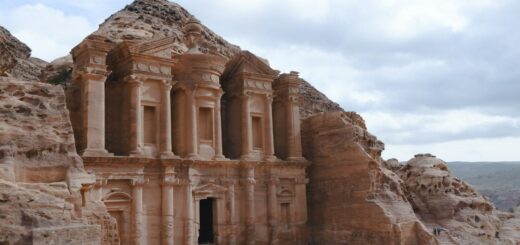
Saudi Arabia opened its doors to international tourism in September 2019 — a landmark transformation for a country previously almost entirely closed to leisure visitors. The Kingdom now welcomes tourists to extraordinary ancient sites: AlUla and the Nabataean city of Hegra (Mada’in Salih) — a UNESCO World Heritage Site and Saudi Arabia’s answer to Petra; the rock art of Shuwaymis and Jubbah; the Green Mountain (Rijal Almaa) heritage village; the ancient Diriyah (UNESCO-listed, birthplace of the Al-Saud dynasty near Riyadh); the 2,000-year-old Edge of the World (Jebel Fihrayn) escarpment; and the Red Sea diving and snorkelling of NEOM and the Saudi Riviera.
Saudi Arabia borders Jordan, Iraq, Kuwait, Qatar, UAE, Oman, and Yemen. The capital is Riyadh. The currency is the Saudi Riyal (SAR — pegged to USD: 1 USD = 3.75 SAR). The population is approximately 36 million. The official language is Arabic; English is increasingly spoken in tourist areas.
| TIP — Overall Safety: Saudi Arabia is relatively safe for tourists in terms of personal crime. Violent crime against tourists is very rare. The main concerns are the strict cultural and legal requirements, extreme heat, and specific border areas near Yemen. |
2. Security Landscape
2.1 Yemen Border
| WARNING — Southern Border: The areas along the Saudi-Yemeni border (Jizan, Najran, Asir regions) have been targeted by Houthi rocket and drone attacks from Yemen. These regions are not tourist destinations but represent genuine risk for those in southern Saudi Arabia. The Saudi Ministry of Tourism directs visitors away from these areas. |
2.2 Terrorism
Saudi Arabia has experienced significant terrorist attacks historically (2003-2006 Al-Qaeda bombing campaign, periodic ISIS-linked attacks). Since 2016, internal security has been strengthened significantly. The threat has not disappeared but major attacks in tourist areas have not occurred. Remain vigilant in crowded public spaces.
2.3 Crime
Crime rates in Saudi Arabia are very low overall. Petty theft, pickpocketing, and violent crime against tourists are uncommon. The main crime risk for tourists is scams (overcharging, counterfeit goods) rather than physical threat.
3. Safe Areas for Tourists
| TIP — Primary Tourist Destinations: Riyadh (Diriyah, National Museum, Edge of the World), AlUla (Hegra/Madain Salih, Elephant Rock, Dadan ruins), Jeddah (Al-Balad UNESCO Old City, Red Sea Corniche), Al-Ahsa (UNESCO-listed oasis), Abha (Asir highlands, cooler climate), Tabuk (NEOM area, Hisma Desert), Al Khobar/Dammam (Eastern Province, Bahrain Causeway). |
| WARNING — Avoid: Areas within 50km of the Yemeni border (Jizan, Najran, and southern Asir Province border area). |
4. Transportation
Riyadh King Khalid International Airport (RUH), Jeddah King Abdulaziz Airport (JED), and Medina Airport (MED) are major international hubs. Saudi Airlines and flynas operate domestically. The Haramain High-Speed Railway connects Mecca-Jeddah-Medina (non-Muslims cannot enter Mecca or Medina). Uber and Careem operate in all major cities and are the recommended transport option. Car rental is available; roads are good but speeds are high and road accident rates are elevated.
| WARNING — Non-Muslims & Holy Cities: Mecca and Medina are closed to non-Muslims. Do not attempt to enter these cities if you are not Muslim. Checkpoints screen entering vehicles. Attempting to enter Mecca as a non-Muslim is illegal and can result in arrest and deportation. |
5. Health & Medical
Medical facilities in Riyadh, Jeddah, and Dammam are excellent. King Faisal Specialist Hospital (Riyadh) is world-class. Private hospitals across major cities offer high-quality care with English-speaking staff. Travel health insurance is recommended. The main health risks are extreme heat (Riyadh summer regularly 45°C+) and dehydration. AlUla and the desert regions require careful water management. Hajj/Umrah pilgrims face additional health risks from crowding — meningococcal vaccination is required for pilgrims.
6. Cultural & Legal Requirements
| WARNING — Dress Code: Saudi Arabia has significantly liberalised dress codes since 2019, but modest dress is still strongly recommended in public, particularly outside luxury hotels and tourist resorts. Women are no longer legally required to wear the abaya in public but conservative dress (covering knees and shoulders) is expected in souqs, heritage sites, and mosques. Men should wear long trousers. |
| WARNING — Alcohol: Alcohol is completely prohibited in Saudi Arabia. There are no exceptions for tourists, hotels, or designated areas. Penalties include imprisonment and deportation. Do not attempt to import, purchase, or consume alcohol. |
| WARNING — LGBTQ+ Laws: Same-sex relationships are illegal in Saudi Arabia and carry severe penalties including flogging and imprisonment. Exercise complete discretion. |
Photography: ask before photographing people, particularly women. Do not photograph military installations, government buildings, oil infrastructure, or airports. During Ramadan, do not eat, drink, or smoke in public during daylight hours. Criticism of the Saudi government, royal family, or Islam in any public forum (including social media) can result in arrest.
7. Common Scams & Threats
| Scam Name | How It Works | How to Avoid It |
| Taxi Overcharging | Taxis in Riyadh and Jeddah quote inflated tourist rates without meters. | Use Uber or Careem apps exclusively — both operate in all major Saudi cities. |
| AlUla Tour Overpricing | Operators at AlUla charge inconsistent prices for 4WD desert tours and site visits. | Book AlUla tours through Experience AlUla (the official tourism authority) or established operators. |
| Counterfeit Dates & Honey | Vendors near holy sites and tourist markets sell adulterated Medjool dates and honey as premium products. | Purchase dates from established chains (Bateel, Al-Rifai) or supermarkets with clear origin labelling. |
| Carpet & Antique Fraud | Vendors in Riyadh’s Dira Souq and Jeddah’s Al-Balad sell machine-made carpets as handcrafted antiques. | Research authentic Saudi crafts before shopping. Buy from established artisan co-operatives. |
| Currency Short-changing | Vendors short-change tourists unfamiliar with SAR denominations. | Familiarise yourself with SAR notes before shopping. Count change carefully. |
| Photography Harassment | In some sensitive areas, individuals challenge tourists over photography even of permitted subjects. | Only photograph clearly designated tourist areas. Ask permission before photographing people. |
8. Emergency Contacts
| Service | Number / Details |
| Police Emergency | 999 |
| Ambulance | 911 |
| Fire Service | 998 |
| Saudi Tourism Authority | 920000815 |
| King Faisal Specialist Hospital Riyadh | +966 11 442 7777 |
| Saudi German Hospital Jeddah | +966 12 682 0000 |
| UK Embassy Riyadh | +966 11 488 0077 |
| US Embassy Riyadh | +966 11 488 3800 |
| Indian Embassy Riyadh | +966 11 488 4371 |
9. Safety Checklist
- Do not bring or attempt to consume alcohol — strictly prohibited
- Dress modestly — knees and shoulders covered in public spaces
- Non-Muslims must not enter Mecca or Medina
- Use Uber or Careem for all transport
- Carry 3-4 litres of water for outdoor desert activities
- Do not photograph people without permission, or government/military facilities
- LGBTQ+ travellers: exercise complete discretion
- Do not make political statements on social media while in Saudi Arabia
- Avoid border areas near Yemen (Jizan, Najran, southern Asir)
- Purchase travel health insurance
- Register with your embassy upon arrival