How to Stay Safe in São Tomé and Príncipe
1. Introduction
São Tomé and Príncipe is a small island nation in the Gulf of Guinea, comprising two main islands and several smaller ones, located about 300 kilometres off the coast of Central Africa. A former Portuguese colony, it gained independence in 1975 and has since maintained remarkable political stability—it is one of Africa’s oldest multi-party democracies and is widely considered one of the continent’s safest countries.
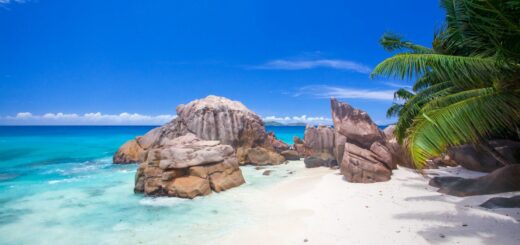
The islands are strikingly beautiful: dense equatorial rainforest, pristine beaches, unique biodiversity (including endemic bird species), waterfalls, and dramatic volcanic landscapes. Cacao plantations (roças) that once drove a colonial economy are now eco-tourism destinations. The country receives relatively few tourists, which preserves its authenticity and tranquillity.
| ✔ Safest in the Region: São Tomé and Príncipe is rated as one of the safest destinations in Central and West Africa by virtually all Western governments. Exercise normal security precautions—the same level you would in a low-crime European destination. This is a genuinely peaceful archipelago. |
2. Security Landscape
Crime rates are very low. Violent crime is rare and very rarely involves tourists. Petty theft—pickpocketing and opportunistic bag snatching—occurs in the capital São Tomé city and around markets and the port area. The island of Príncipe is even quieter and has minimal crime concerns. The country is politically stable with peaceful democratic elections.
As with any destination, sensible precautions are warranted. Avoid displaying expensive electronics, jewellery, or large amounts of cash. Solo night walks in less populated parts of São Tomé city should be avoided. Generally, the threat level is very low for a prepared tourist.
| ✔ Night Safety: São Tomé city is relatively safe at night compared to most African capitals, but standard precautions apply. Stick to lit areas, use your accommodation’s recommended transport, and avoid isolated areas after midnight. |
3. Transportation Safety
The islands are small—São Tomé island is approximately 50km long. Roads in and around the capital are paved but in variable condition. Outside the main town, roads can be unpaved and muddy, particularly in the rainy season (October–May on São Tomé, with two distinct wet seasons on Príncipe). 4WD is recommended for exploration of the interior.
Taxis are the primary transport in the capital. Agree on fares before getting in—there are no metres. Collective taxis (shared) are cheap and widely used by locals. Car hire is available and reasonable in quality. Inter-island travel between São Tomé and Príncipe is by small aircraft (2 flights daily) or irregular boat services. The boat is cheaper but slow and can be uncomfortable in rough conditions.
| ✔ Inter-island Travel: Book flights between the islands in advance, particularly in high season (June–September). The short flight (30 minutes) is far more comfortable and reliable than the boat crossing, which takes 10+ hours. |
4. Health & Medical Safety
Malaria is endemic on both islands and is the primary health risk for visitors. Antimalarial medication is strongly recommended. The malaria strain (P. falciparum) in São Tomé and Príncipe can be severe. Yellow fever vaccination is required. Dengue fever, typhoid, and hepatitis A are also present.
Medical facilities are limited. The main public hospital (Hospital Dr. Ayres de Menezes) in São Tomé city provides basic care. There are a few private clinics with better resources, but serious cases require evacuation to Libreville (Gabon), Lagos, or Lisbon. Medical evacuation insurance is highly recommended. Príncipe has minimal medical facilities.
Tap water is not safe to drink in most areas—use bottled or treated water. Food hygiene at established restaurants is generally adequate. Street food should be approached with the same caution as elsewhere in the region: freshly cooked, hot, and from busy stalls.
| ⚠ Malaria Priority: São Tomé and Príncipe has some of the highest malaria transmission rates in Africa. Begin antimalarials before departure, use DEET repellent consistently (especially at dusk and night), and sleep under a mosquito net. Seek immediate treatment for any fever. |
5. Natural Hazards
The islands are volcanic and have dramatic terrain. Hiking in the interior—particularly Pico de São Tomé (2,024m, the highest point)—requires experienced local guides and appropriate equipment. Weather in the rainforest interior can change rapidly with fog and heavy rain creating slippery conditions. Several hikers have needed rescue after underestimating the terrain.
Ocean conditions vary significantly. Some beaches (particularly on the southern and southwestern coasts) have strong rip currents. Swimming at unpatrolled beaches requires great caution. The Gulf of Guinea can have rough seas during the rainy season. Whale watching and diving are popular activities—use reputable, properly equipped operators.
| ⚠ Pico Hike Safety: Do not attempt Pico de São Tomé without a licensed guide and proper hiking equipment. The trail is strenuous, routes are not well-marked, and weather can deteriorate rapidly. Register your hike with your accommodation and give a return time. |
6. Common Scams & How to Avoid Them
São Tomé and Príncipe has a very low incidence of tourist-targeted scams compared to the rest of the region. However, a few patterns are worth knowing:
| Scam Name | How It Works | How to Avoid It |
| Taxi Overcharging | Drivers quote tourist prices well above local rates, particularly near the port or airport. | Ask your hotel for standard taxi rates before taking any journey. Negotiate firmly before entering. |
| Money Exchange Shortchange | Informal changers may shortchange tourists unfamiliar with the Dobra (STD/STN). | Use official bank exchange or hotel services. Familiarise yourself with local currency before arriving. |
| Souvenir Inflation | Market vendors quote very high prices for crafts and cacao products. | Compare prices at multiple stalls. Gentle bargaining is acceptable. Ask hotel staff for fair price guidance. |
| Fake Tour Guides | Individuals near roças and natural sites offer unofficial guide services, then demand excessive payment. | Book guides through your hotel or the São Tomé tourism board. Agree on fees explicitly before the tour starts. |
| Port Hustle | At the port and ferry terminals, touts compete aggressively for luggage carrying and accommodation recommendations. | Keep your luggage with you. Book accommodation in advance and arrange your own transport. |
| Overpromised Boat Trips | Boat operators promise specific whale or dolphin sightings without any basis. | Choose reputable operators with verified reviews. Understand that wildlife sightings can never be guaranteed. |
7. Legal Considerations
São Tomé and Príncipe’s legal system is based on Portuguese law. The country has decriminalised homosexuality and is relatively socially progressive by African standards, though social attitudes remain conservative outside Lisbon-influenced urban circles. LGBTQ+ tourists should exercise discretion outside the main tourist areas.
Drug possession is illegal. Photography of military and government facilities is restricted. The country has limited policing capacity, so most crime is dealt with through community-level mechanisms. Dress modestly when visiting religious sites.
8. Cultural Awareness
The culture is a unique blend of African and Portuguese influences, reflected in language (Portuguese official), music (Ússua and Socopé rhythms), and cuisine (fresh seafood with Portuguese technique). The creole culture is warm and inclusive. The legacy of the cacao plantation system (with its dark colonial history) is an important cultural context to understand when visiting the roças.
| ✔ Cacao Tourism: Visiting one of the historic roças (cacao plantations) is a highlight of any São Tomé trip. Several have been converted into eco-lodges or cultural centres. Be sensitive to the complex history these sites represent—they operated with enslaved and contract labour for centuries. |
9. Emergency Contacts
| Service | Number / Info |
| Police (São Tomé) | +239 222 2222 |
| Fire Service | +239 222 2116 |
| Hospital Dr. Ayres de Menezes | +239 222 2224 |
| Príncipe District Health Centre | +239 225 1153 |
| Portuguese Embassy São Tomé | +239 222 2116 |
| São Tomé Tourism Board | +239 222 5486 |
| Medical Evacuation (via insurer) | Contact your travel insurer |
10. Pre-Departure Safety Checklist
- Check current travel advisory (likely ‘exercise normal precautions’)
- Obtain Yellow Fever vaccination certificate
- Begin antimalarial medication—this is critical for São Tomé
- Purchase travel insurance with medical evacuation coverage
- Book inter-island flights well in advance for Príncipe visits
- Download offline maps—mobile data coverage is limited in the interior
- Carry Dobra currency (STN) obtained from official sources
- Book interior hiking guides through your accommodation
- Pack DEET repellent, mosquito net, and water purification tablets
- Bring a basic first-aid kit—pharmacies are limited outside the capital
- Register your Pico hike plans with your accommodation