How to Stay Safe in Russia
Introduction
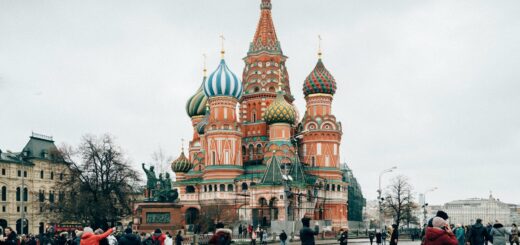
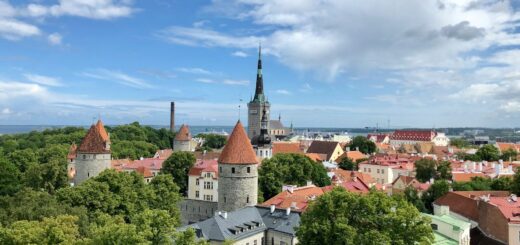
Russia is the world’s largest country by land area, spanning eleven time zones from Kaliningrad in the west to the Kamchatka Peninsula in the east. The country possesses extraordinary cultural and natural wealth: Moscow’s Red Square and the Kremlin, St. Petersburg’s Hermitage Museum (one of the world’s great art collections), the historic Golden Ring cities, Lake Baikal (the world’s deepest and largest freshwater lake by volume), the Trans-Siberian Railway, the Caucasus Mountains, and the volcanic landscape of Kamchatka represent just a fraction of what Russia offers.
However, Russia’s full-scale invasion of Ukraine, which began in February 2022, has fundamentally changed the safety calculus for foreign tourists. The United States, United Kingdom, European Union member states, Canada, Australia, New Zealand, Japan, and the vast majority of the democratic world’s governments advise their citizens against all non-essential travel to Russia, and many advise against all travel without qualification.
This guide is provided for informational purposes, primarily for those who may be in Russia for compelling personal reasons (visiting family, essential business, journalism). Leisure tourism to Russia under current conditions is not recommended by almost any Western government, and the practical barriers — including financial sanctions, lack of direct flights, and the risk of arbitrary detention — make it extremely difficult in any case.
General Safety Overview
The primary danger in Russia for Western foreign nationals is not conventional street crime but the actions of the Russian state. The arbitrary detention of foreign nationals — including Western journalists, business people, and tourists — has been documented and has increased dramatically since 2022. Detained individuals are frequently held as bargaining chips in geopolitical negotiations. Evan Gershkovich (Wall Street Journal journalist), Paul Whelan (US businessman), and others have been detained for extended periods. Even tourists without any political connection have faced detention on fabricated charges.
Russia’s military mobilisation for the Ukraine war has created additional risks: mobilisation sweeps have occurred in public spaces; the internal political environment has become significantly more repressive since 2022 with the closure of independent media and the criminalisation of “discrediting the army” (reporting truthfully on the war). Any expression of opposition to the Ukraine war — including on social media — can result in arrest.
Conventional crime exists at moderate levels. Moscow and St. Petersburg have seen improvements in street safety over the past two decades. But the state security risk completely overshadows conventional crime considerations for foreign nationals under current conditions.
Personal Safety and Crime Prevention
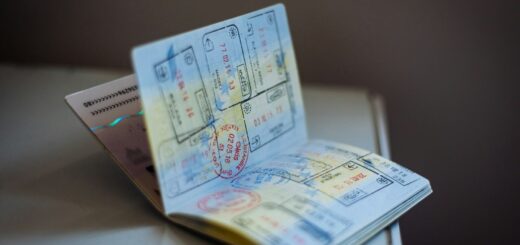
If you are in Russia: do not discuss the Ukraine war in any public setting. Delete any social media posts, messages, or content that could be interpreted as critical of the Russian government or military. Carry your passport and visa at all times — police checks are common and penalties for not carrying documentation are immediate.
LGBTQ+ individuals face extreme risk in Russia. Same-sex relationships, while not criminalised, exist in an increasingly hostile legal environment following the “gay propaganda” laws, and LGBTQ+ individuals have been subjected to harassment, violence, and extortion. Exercise absolute discretion.
- Do not discuss the Ukraine war in public.
- Delete politically sensitive content from all devices.
- Carry passport and visa at all times.
- LGBTQ+ travellers: exercise extreme discretion.
- Register with your embassy immediately upon arrival.
- Maintain awareness of nearest exit options if the security situation deteriorates.
Transportation Safety
Direct flights between Russia and most Western countries have been suspended following the Ukraine invasion and resulting sanctions. Travel to Russia typically requires routing through third countries (Turkey, UAE, Armenia, Georgia). Check current airline route availability carefully as the situation evolves.
Domestic air travel within Russia operates normally. The Trans-Siberian Railway (Rossiyskiy ekspres system) remains a remarkable experience for those able to access it. Road driving in Russia requires a valid international driving licence, insurance, and an understanding that road conditions vary dramatically by region.
- No direct flights from most Western countries — routing via third countries required.
- Register travel plans with your embassy on arrival.
- The Trans-Siberian Railway remains accessible but requires advance planning.
Health and Medical Safety
Russia has a functioning healthcare system, with better facilities in Moscow and St. Petersburg. Western-standard private clinics exist in major cities. Sanctions have affected the availability of some Western pharmaceutical brands and medical equipment. Comprehensive travel insurance is essential — standard Western health insurance policies may have exclusions for travel to Russia under current advisory conditions. Check with your insurer before departure.
Diphtheria and tick-borne encephalitis (TBE) vaccination is recommended for visits to forested areas of Russia. Tap water in Moscow and St. Petersburg is technically safe but many locals and visitors prefer bottled water.
- Verify that your travel insurance covers Russia under current advisory conditions.
- TBE vaccination for Siberian and forested area visits.
- Private western-standard clinics available in Moscow and St. Petersburg.
Natural Hazards
Russia’s vast territory encompasses virtually every type of natural hazard: seismic activity in Siberia and the Far East (Kamchatka is one of the world’s most active volcanic zones), extreme Arctic and Siberian cold (Yakutia regularly records winter temperatures below -50°C), wildfires in the Siberian taiga, flooding along major rivers, and bear encounters in national parks and wilderness areas. Each region requires specific hazard awareness appropriate to its geography and climate.
Digital and Financial Safety
The Russian ruble (RUB) is the currency. Western Visa and Mastercard cards no longer work in Russia following the suspension of operations by both companies in March 2022 in response to the Ukraine invasion. Cash in US dollars or euros can be exchanged at Russian banks, though the availability and conditions of exchange have been affected by sanctions. SWIFT transactions between Russian banks and most Western financial institutions are blocked.
The internet in Russia is heavily censored, with many Western websites, social media platforms, and news services blocked. VPNs are technically restricted (though widely used). Assume all communications and digital activities in Russia may be monitored by state authorities.
- Western bank cards (Visa, Mastercard) do not work in Russia.
- Carry USD or EUR cash to exchange.
- All digital communications may be monitored.
- VPN use is technically restricted.
Common Tourist Scams and How to Avoid Them
Given the current travel advisory context, this section focuses primarily on state-level and systemic risks rather than conventional tourist scams, though the latter also exist.
Police “Passport Check” Robbery
Individuals posing as plain-clothes police officers have been reported requesting tourist passports and then stealing them or demanding bribes for their return. This practice has reportedly increased under the current political climate.
How to Avoid: Always demand to be taken to the nearest police station for any documentation inspection. Never hand your passport to any individual without verifying official authority. Call the emergency number (112) if threatened.
Nightclub and Bar Extortion
Tourists (particularly Western men) in Moscow and St. Petersburg nightlife areas are sometimes subjected to extortionate bar bills or sexual service fees presented in intimidating circumstances.
How to Avoid: Research any nightlife venues thoroughly before visiting. Avoid entering venues on the recommendation of strangers. Clarify all prices explicitly before ordering anything.
Currency Exchange Fraud
Given the disruption to normal banking due to sanctions, some unofficial money changers are offering exchange services that involve manipulation of counts or worthless notes.
How to Avoid: Exchange currency only at official Russian bank branches. Count all money before leaving the counter.
Arbitrary Legal Jeopardy
The most serious “scam” in the current Russian environment is not conventional fraud but the risk of arbitrary legal proceedings against foreigners based on fabricated charges, association with designated “undesirable organizations,” or social media history deemed anti-state.
How to Avoid: Conduct a thorough review of all social media accounts and delete any content that could be construed as critical of Russia or the Ukrainian war before entering the country. Avoid any association with individuals or organisations on Russian government restricted lists.
Cultural Awareness and Etiquette
Russian culture, outside the political context, is characterised by deep literary and artistic tradition, extraordinary hospitality at the personal level (Russians are exceptionally welcoming in private home settings), and a complex national identity shaped by geography, history, and geopolitical position. Under current conditions, political discussions must be avoided entirely for safety reasons.
Note for tourists regardless of political context: Russian culture values directness and can seem abrupt by Anglo-American standards. Smiling at strangers in public is not customary (it can be interpreted as foolish or insincere). In private settings, Russian hospitality is extraordinary and generous — vodka, food, and genuine warmth are offered abundantly.
- Do not discuss politics, the Ukraine war, or the Russian government in any public setting.
- Russian hospitality in private is genuinely warm — accept it appropriately.
- Basic Russian phrases (“Пожалуйста/Pozhaluysta” — please; “Спасибо/Spasibo” — thank you) are appreciated.
- Register with your embassy immediately on arrival.
Emergency Contacts
| Service | Number |
| Police | 102 |
| Ambulance | 103 |
| Fire | 101 |
| General Emergency | 112 |
Note: CRITICAL: Western governments advise against all travel to Russia. If detained, contact your embassy immediately. Russia has the right to deny consular access. Dual nationals of Russia and other countries may be treated solely as Russian citizens.