How to Stay Safe in Oman
1. Introduction
Oman is one of the Arabian Peninsula’s most rewarding and underrated tourist destinations — a country of dramatic contrasts where ancient walled cities (Nizwa, Bahla, Sur), the spectacular fjords of the Musandam Peninsula, the vast Wahiba Sands desert, the lush green mountains of the Hajar range (including Jebel Akhdar, ‘the Green Mountain’), the UNESCO-listed Aflaj irrigation systems, whale shark snorkelling in Dhofar, and the frankincense heritage of Salalah await visitors.
Oman borders the UAE (northwest), Saudi Arabia (west), and Yemen (south), with coastline on the Gulf of Oman, Arabian Sea, and Strait of Hormuz. The capital is Muscat. The currency is the Omani Rial (OMR — 1 OMR = approx. USD 2.60). The population is approximately 4.5 million. The official language is Arabic; English is widely spoken.
| TIP — Overall Safety: Oman is consistently ranked as one of the safest countries in the Middle East and globally. Crime rates are extremely low. The population is welcoming to tourists and the government prioritises visitor safety. The main concerns are driving, extreme heat, and certain activities near the Yemeni border. |
2. Security Landscape
2.1 Crime
Crime against tourists is extremely rare in Oman. Violent crime is uncommon throughout the country. Petty theft is not a significant concern in most tourist areas, though standard precautions apply. Muscat is regarded as one of the safest capital cities in the Arab world. Women can generally walk safely in most areas, including at night, though conservative dress is respected.
2.2 Yemen Border
| WARNING — Dhofar/Yemen Border: The Dhofar region borders Yemen, where active armed conflict continues. The Omani side of the border is generally calm, and Salalah city is safe to visit, but travel close to the Yemeni border should be avoided. Do not approach the Yemeni border. The UN-brokered ceasefire in Yemen has been fragile. |
2.3 Musandam Exclave
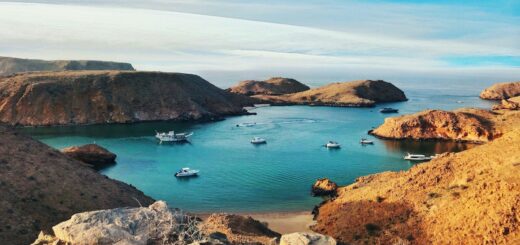
The Musandam Peninsula is an Omani exclave separated from the main country by the UAE. It is accessible by road through UAE territory (Ras Al Khaimah emirate) or by ferry from Muscat or Dubai. The area is peaceful and known for spectacular fjords (khors) and dolphin watching. Carry your passport for the UAE-Oman border crossings.
3. Safe Areas
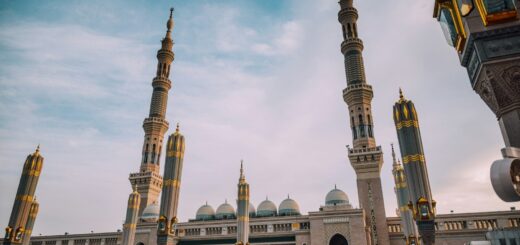
| TIP — All Tourist Areas Safe: Muscat (Muttrah Souq, Sultan Qaboos Grand Mosque, Royal Opera House), Nizwa (Fort and Souq), Wahiba Sands, Wadi Shab, Wadi Bani Khalid, Sur (turtle nesting at Ras Al Jinz), Salalala (Dhofar), Jebel Akhdar, Musandam Peninsula — all safe for tourists. |
| WARNING — Yemen Border: Avoid areas within 50km of the Yemeni border in southern Dhofar Governorate. |
4. Transportation
Muscat International Airport (MCT) is Oman’s main hub. Car rental is the most practical way to explore Oman’s diverse regions — roads are well-maintained and signposted. Driving is on the right. Taxis in Muscat are metered; Uber and Careem operate in Muscat. Intercity buses (Oman National Transport Company) connect major cities. The Muscat-Salalala drive is approximately 1,100km through desert — plan fuel stops carefully and carry water.
| WARNING — Wadi Driving: Wadi (dry river bed) driving requires a 4WD and should only be done with local knowledge of flash flood risks. Flash floods in wadis can occur with no local rainfall — a storm 100km away can send a wall of water down a dry wadi. Never camp in a wadi. Never drive into a flowing wadi. |
| WARNING — Heat: Omani summer temperatures (May-September) regularly exceed 45°C in the interior. The combination of heat and physical activity is dangerous. Carry at least 3-4 litres of water per person when outdoors. Salalala in Dhofar is cooler during the Khareef (monsoon season, June-September) due to mist and rain. |
5. Health & Medical
Medical facilities in Muscat are excellent by regional standards (Royal Hospital, Khoula Hospital, Sultan Qaboos University Hospital, and private hospitals including Muscat Private Hospital). Outside Muscat, facilities are adequate in major towns but basic in remote areas. Medical evacuation insurance is recommended for remote travel.
Key health risks: extreme heat and dehydration; sunburn; stonefish and sea urchin injuries at rocky beaches (wear water shoes); Portuguese man-of-war jellyfish (occasionally found on beaches, particularly after storms — do not touch); hepatitis A and typhoid vaccinations recommended.
6. Common Scams & Threats
| Scam Name | How It Works | How to Avoid It |
| Taxi Overcharging Muscat | Some taxis near tourist areas (Muttrah Souq) quote inflated rates for tourists. | Use Uber or Careem in Muscat. Taxis should be metered — insist on the meter. |
| Antique Khanjar (Dagger) Fraud | Vendors sell machine-produced khanjar daggers as handcrafted antiques at inflated prices. | Purchase authentic khanjar from established silver shops in Nizwa Souq. Genuine hand-crafted pieces are significantly more expensive. |
| Wadi Tour Overcharging | Tour operators near popular wadis charge inflated prices for guided tours. | Compare prices from multiple operators. Your hotel concierge can recommend fair-priced operators. |
| Currency Exchange Shortfall | Some exchange offices charge hidden commissions not disclosed upfront. | Ask for the total you will receive before agreeing to any exchange. Use official bank exchange counters. |
| Camel Ride Price Disputes | Camel handlers at desert camps charge more than originally quoted. | Agree the price firmly before mounting. Get the price confirmed in writing if possible. |
| Counterfeit Frankincense | Vendors near tourist sites sell adulterated or poor-quality frankincense as premium grade. | Purchase frankincense from established shops in Salalala’s Al-Husn Souq or recognised incense shops in Muscat. |
7. Legal & Cultural Considerations
Oman is a moderate Islamic monarchy under Sultan Haitham bin Tariq. Dress modestly in souqs, mosques, and traditional areas. Women should cover shoulders and knees; headscarves are politely received at mosques. Swimwear is appropriate at hotel pools and beaches. Alcohol is available at hotels and licensed restaurants but not in public. Do not drink alcohol in public. Drug laws carry severe penalties. LGBTQ+ relationships are illegal in Oman.
Photography: Oman is generally photogenic and photography is welcomed. Ask before photographing people. Do not photograph military installations, palaces, or government buildings.
8. Emergency Contacts
| Service | Number / Details |
| Police Emergency | 9999 |
| Ambulance / Fire | 9999 |
| Royal Oman Police Tourist Police | +968 2456 0099 |
| Sultan Qaboos University Hospital | +968 2414 1111 |
| Muscat Private Hospital | +968 2458 3600 |
| UK Embassy Muscat | +968 2460 9000 |
| US Embassy Muscat | +968 2464 3400 |
| Indian Embassy Muscat | +968 2469 8900 |
| Oman Tourism | +968 2488 4488 |
9. Safety Checklist
- Carry 3-4 litres of water per person for any outdoor activity
- Never camp in or drive through a flowing wadi
- Use a 4WD for wadi and desert driving
- Avoid areas near the Yemeni border in southern Dhofar
- Use Uber or Careem in Muscat for fair-priced transport
- Wear water shoes at rocky beaches (stonefish and sea urchin risk)
- Dress modestly in souqs, mosques, and traditional areas
- Do not drink alcohol outside licensed hotel venues
- Purchase travel health insurance
- Register with your embassy before remote travel
- Carry your passport for Musandam border crossings through UAE