How to Stay Safe in Lithuania
Introduction
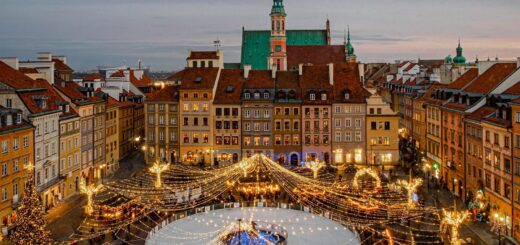
Lithuania, the largest and southernmost of the three Baltic states, is a country of remarkable heritage, natural beauty, and resilience. Vilnius, the capital, has one of the best-preserved baroque Old Towns in Europe — a UNESCO World Heritage Site of extraordinary architectural beauty, centred on Cathedral Square, Gediminas Castle Hill, and the extraordinary concentration of baroque churches including St. Peter and Paul’s. Beyond Vilnius, the Hill of Crosses (Kryžių Kalnas) near Šiauliai — a pilgrimage site covered in hundreds of thousands of crosses representing Lithuanian faith, resistance, and identity — is one of the most profoundly moving sites in all of Europe.
Lithuania has been an EU and NATO member since 2004, and its transition from Soviet republic to thriving European democracy is a remarkable success story. The country borders Russia’s Kaliningrad exclave and Belarus, and the current geopolitical environment has increased Lithuania’s strategic importance and vigilance. Tourism is growing, with Vilnius increasingly recognised as one of Europe’s most beautiful and affordable capitals.
Lithuania is generally safe for tourists. The main safety considerations involve Vilnius nightlife overcharging (a smaller-scale version of the Riga bar scam), standard urban petty crime, and winter driving conditions.
General Safety Overview
Lithuania has a moderate crime rate by EU standards. Violent crime against tourists is uncommon. Petty theft occurs in Vilnius Old Town and around the main bus and rail stations. The most significant tourist-oriented crime is bar and nightclub overcharging in Vilnius, which operates through approaches similar to (but generally less extreme than) the infamous Riga bar scam.
The borders with Russia (Kaliningrad) and Belarus are officially open for authorised crossings but travellers should be aware of the current geopolitical sensitivities and restrictions. Lithuania has been an outspoken EU member regarding both Russia and Belarus since 2022.
Personal Safety and Crime Prevention
In Vilnius, be alert to stranger approaches in the Old Town — particularly near Pilies Street (the main tourist pedestrian street) and in the Cathedral Square area — from individuals suggesting bar or club visits. The Vilnius bar overcharging scam is less extreme than Riga’s but operates on the same principle: unsolicited drinks, inflated bills, and pressure to pay.
Standard pickpocket awareness on the Vilnius minibus routes and around the central bus and train stations is advisable.
- Be wary of strangers suggesting bar visits in Vilnius Old Town.
- Secure bags at the bus and train stations and on public transport.
- Standard caution in nightlife areas after dark.
Transportation Safety
Vilnius has public buses and trolleybuses. The Bolt app operates in Vilnius and is strongly recommended over street taxis. Lithuanian roads are generally reasonable; winter driving requires winter tyres (mandatory December 1–March 1). The Vilnius–Kaunas–Klaipėda transport corridor is the country’s main road axis and is of good quality.
- Use Bolt app for taxis in Vilnius.
- Winter tyres mandatory December 1 – March 1.
- The Via Baltica highway is a good quality intercity route.
Health and Medical Safety
Lithuanian healthcare is of reasonable standard; EU citizens with EHIC access state care. Vilnius University Hospital is the main facility. Tick-borne encephalitis and Lyme disease are present in Lithuanian forests — TBE vaccination is recommended for forest hiking.
- EHIC (EU citizens) or travel insurance.
- TBE vaccination for forest hiking.
- Tap water in Vilnius is safe.
Natural Hazards
Lithuania is relatively flat with no significant geological hazards. The Baltic Coast around Palanga and the Curonian Spit can have strong winds and cold water. Winter conditions bring ice and snow requiring standard cold-weather and driving precautions.
Digital and Financial Safety
Lithuania uses the euro. Card payments are widely accepted. ATM fraud has been reported; use bank-branch machines. Internet connectivity is excellent throughout Lithuania.
- Euro and wide card acceptance.
- Use bank-branch ATMs.
- Shield PIN at all card terminals.
Common Tourist Scams and How to Avoid Them
The following scams have been reported in Vilnius.
Bar and Nightclub Overcharging
Tourists in Vilnius Old Town, particularly solo male travellers, are approached by individuals who suggest visiting a specific bar. Inside, unsolicited drinks are brought and added to an inflated bill. The scale is generally less extreme than Riga but the mechanism is identical.
How to Avoid: Never follow strangers to bars in Vilnius. Choose all venues independently based on reviewed recommendations. Request a written menu before ordering anything.
Taxi Overcharging
Unmetered street taxis in Vilnius overcharge tourists, particularly at the airport and outside clubs and bars late at night.
How to Avoid: Use Bolt exclusively. Pre-book transfers for airport arrivals.
ATM Skimming
Skimming devices have been reported on standalone ATMs in tourist areas.
How to Avoid: Use bank-branch ATMs; check card slot; shield PIN.
Cultural Awareness and Etiquette
Lithuanian culture reflects Baltic reserve combined with genuine national pride in language (Lithuanian is one of the oldest living Indo-European languages), folklore, and the remarkable story of independence recovery (Lithuania was the first Soviet republic to declare independence in 1990). The Hill of Crosses is among Europe’s most spiritually significant and emotionally powerful sites — approach it with reverence regardless of your religious beliefs.
The Soviet occupation (1940–1941, 1944–1990) and the deportations to Siberia remain living memory. Lithuania’s experience, shared with Latvia and Estonia, provides important context for understanding Baltic politics and identity.
- Basic Lithuanian: “Labas” (hello), “Ačiū” (thank you).
- The Hill of Crosses: behave with respect and solemnity.
- Soviet history and current Russia policy are sensitive topics — approach with care.
- Tipping 10% in restaurants is standard.
Emergency Contacts
| Service | Number |
| Police | 112 |
| Ambulance | 112 |
| Fire | 112 |
| General Emergency | 112 |
Note: All emergency services in Lithuania: dial 112. English-speaking operators are available. For non-emergency police issues: 02 or 8 700 60 600.