How to Stay Safe in Liechtenstein
Introduction
Liechtenstein, the doubly-landlocked microstate nestled between Switzerland and Austria in the Rhine Valley of the Alps, is one of the world’s smallest countries and one of its most prosperous. With a population of just 38,000 and an area of 160 square kilometres, the principality is perhaps best known internationally as a financial centre, a mountain sports destination, and the subject of genteel geography trivia (“name one of the two doubly-landlocked countries in the world”). The country is ruled by the Reigning Prince of Liechtenstein, Hans-Adam II, making it one of Europe’s two remaining reigning monarchies alongside Monaco.
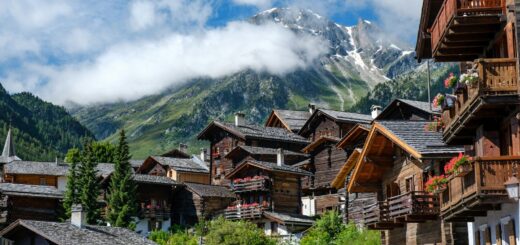
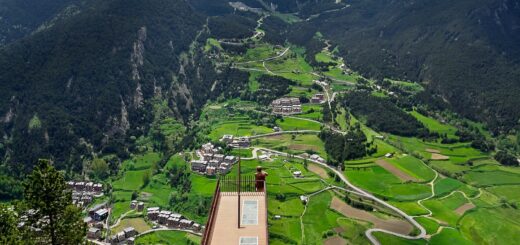
Liechtenstein is genuinely extraordinarily safe — it has a negligible crime rate, professional and well-resourced public services, and a stable, affluent society. The principality’s attractions include the medieval Vaduz Castle (residence of the Prince, not publicly accessible inside), the Kunstmuseum Liechtenstein, the ski resort of Malbun, extensive hiking trails through Alpine scenery, and a surprising density of excellent restaurants and wineries for its size.
As part of the Swiss Customs Union and the Schengen Area (despite not being an EU member), Liechtenstein shares its currency (Swiss franc), customs regime, and open borders with Switzerland. Most tourists visit as a day trip from Innsbruck, Zürich, or other regional bases, or pass through during a broader Alpine itinerary.
General Safety Overview
Liechtenstein is effectively crimeless by comparison with any other European destination. There are no significant safety concerns for tourists. The country has never had a terrorist attack. The Liechtenstein National Police (Landespolizei) is a small but professional force. Petty theft is extremely rare. The main “safety” considerations in Liechtenstein are environmental rather than criminal: Alpine weather and terrain, and winter road conditions.
Personal Safety and Crime Prevention
There is essentially nothing to warn about regarding personal safety in Liechtenstein from a crime perspective. Standard traveller common sense — not leaving valuables visible in vehicles, securing your accommodation — is more than sufficient.
The main practical risk for tourists is being unaware of the Alpine weather environment during hiking. Liechtenstein’s terrain rises from the Rhine Valley floor (450m) to its highest point at Grauspitz (2,599m), meaning that mountain weather, including summer afternoon thunderstorms, requires proper clothing and awareness.
- Standard valuables security in vehicles and accommodation.
- Check weather forecasts before any mountain hiking.
- Carry layers and rain gear for Alpine hikes.
Transportation Safety
Liechtenstein has no railway. The main transport links are post buses (Liechtensteinisches Landesbus), which connect all villages, and the road network, which is well-maintained. The principality can be traversed by road in under an hour. Swiss and Austrian driving rules apply. Winter driving in the mountain areas (Triesenberg, Malbun) requires standard Alpine winter driving precautions.
- Post buses are reliable and connect all settlements.
- Winter tyres are advisable for mountain driving in winter.
- Malbun ski resort is small but well-maintained; avalanche risk exists in backcountry.
Health and Medical Safety
Liechtenstein has no independent hospital; residents and visitors use hospitals in Switzerland (primarily Kantonsspital Graubünden in Chur) or Austria. Emergency services are professional. EU EHIC cards are not applicable in Liechtenstein as it is not an EU member; Swiss healthcare pricing applies and is very expensive — comprehensive travel insurance is essential.
Tap water in Liechtenstein is excellent — mountain spring water of exceptional quality.
- Travel insurance is ESSENTIAL — Liechtenstein uses Swiss healthcare pricing, which is very high.
- Tap water is outstanding — drink it freely.
Natural Hazards
Alpine hazards apply: avalanche risk in backcountry ski areas and in heavy snowfall conditions, rapid weather changes, and mountain hiking hazards. Liechtenstein’s Alps are relatively modest in scale compared to the main Swiss/Austrian ranges, but should still be approached with appropriate respect.
Digital and Financial Safety
Liechtenstein uses the Swiss franc (CHF). Prices are very high — comparable to Switzerland. Card payments are widely accepted. ATMs are available in Vaduz. Internet connectivity is excellent.
- Swiss franc is the currency; Liechtenstein is significantly more expensive than most of Europe.
- Card payments are widely accepted.
Common Tourist Scams and How to Avoid Them
Liechtenstein effectively has no tourist scams. It is one of the few countries in the world where this section can genuinely be described as almost entirely empty.
Tourist Souvenir Overpricing
Vaduz’s small tourist gift shop district sells Liechtenstein passport stamps, branded merchandise, and souvenirs at premium tourist prices. While not a scam, the prices reflect a deliberate tourist market positioning rather than everyday value.
How to Avoid: Accept that Liechtenstein souvenirs are priced as collectible novelties. The official passport stamp (Vaduz Visitors Bureau) is worth its modest fee as a genuine curiosity.
Alpine Hiking Misjudgement (Environmental Risk)
The main risk for tourists in Liechtenstein’s Alps is not criminal but physical: overestimating ability, underestimating weather, or setting out without adequate equipment or information. Each year, Alpine rescue operations are required for unprepared hikers throughout the region.
How to Avoid: Research trail difficulty and conditions before setting out. Carry a map (paper backup), adequate food and water, layers and rain gear, and a charged mobile phone. Inform your accommodation of your planned route. Check weather forecasts at MeteoSwiss (meteoswiss.admin.ch).
Cultural Awareness and Etiquette
Liechtenstein’s culture is closely aligned with Austrian and Swiss German-speaking culture, with strong local pride in the principality’s unique constitutional monarchy and independence. The Prince of Liechtenstein is a genuine constitutional monarch with significant powers and is respected within the country — respectful treatment of references to the royal family is appropriate.
The country is small enough that residents notice tourist behaviour readily. Thoughtful, respectful engagement with the environment and local community — not littering, following hiking path rules, observing quiet hours — maintains the exceptional quality of the destination.
- German is the official language; basic greetings (“Grüß Gott”, “Danke”) are appreciated.
- Liechtenstein is genuinely proud of its unique status as a microstate — acknowledge it with interest.
- Respect nature and trail rules in the Alpine environment.
Emergency Contacts
| Service | Number |
| Police | 117 |
| Ambulance | 144 |
| Fire | 118 |
| General Emergency | 112 |
Note: 117 = Police; 144 = Ambulance; 118 = Fire. 112 is also the general European emergency number. Liechtenstein’s emergency services are professional and efficient.