HOW TO STAY SAFE IN LIBYA
1. Introduction & Country Overview
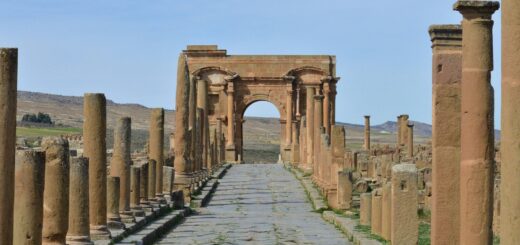
Libya is a North African country with an extraordinary archaeological heritage — Greek and Roman ruins at Leptis Magna, Sabratha, Cyrene, and Apollonia that rival any in the Mediterranean world — as well as spectacular Saharan landscapes and a historic coastline on the Mediterranean Sea. However, as of 2025, Libya remains one of the most dangerous countries in the world for foreign nationals, with active armed conflict, a lack of effective central government, and a severe terrorism threat.
The Libyan Civil War, which began following the 2011 NATO-backed uprising that ousted and killed Muammar Gaddafi, has left the country fragmented between rival governments, armed militias, tribal forces, and terrorist organizations. The UN-recognized Government of National Unity (GNU) based in Tripoli and the Libyan National Army (LNA) controlled Government of National Stability (GNS) in Benghazi continue to exercise fractured control over different parts of the country. Multiple jihadist groups including ISIS affiliates and Al-Qaeda-linked organizations operate within Libyan territory.
| ⚠ CRITICAL WARNING — Libya Is a Travel No-Go Zone The United States, United Kingdom, European Union, Canada, Australia, and virtually every other Western government advise against ALL TRAVEL to Libya. This is among the highest-level travel warnings issued by any country. Libya has: active armed conflict, kidnappings of foreign nationals (including journalists, aid workers, and businesspeople), terrorist attacks, arbitrary detention by armed groups, and no functioning emergency services for foreign nationals. There is no US Embassy presence in Libya as of 2025 — the US Embassy was evacuated in 2014. DO NOT TRAVEL TO LIBYA unless you are a professional (journalist, aid worker, diplomat) with proper security support and briefings. |
2. The Security Reality in Libya
2.1 Armed Groups & Conflict
Libya has hundreds of armed militia groups, tribal factions, and security forces with overlapping and conflicting loyalties. Some key armed actors include: the Tripoli-based Rada Special Deterrence Force, the Nawasi Brigade, armed groups aligned with the LNA under Khalifa Haftar in the East, Tuareg armed factions in the south, and various ISIS and AQIM-affiliated groups active primarily in the south and central Libya. Even within ‘controlled’ cities, rival militias operate checkpoints and can act independently of any central authority.
2.2 Kidnapping Threat
Foreign nationals — particularly Westerners — are high-value kidnapping targets in Libya. Both for ransom and for political leverage. Kidnappings of aid workers, journalists, contractors, and diplomats have occurred throughout the conflict. There have been cases where armed groups have seized foreigners at airports or from hotels. If you must travel to Libya for professional reasons, engage a specialized security company with active Libya expertise.
2.3 Land Mine & UXO Risk
Libya is heavily contaminated with unexploded ordnance (UXO), land mines, and improvised explosive devices (IEDs), particularly in former battle zones around Benghazi, Sirte, and the south. Never leave established roads or paths. Do not pick up any objects from the ground.
2.4 State of Emergency Services
There are effectively no functioning emergency services for foreign nationals in Libya. The ability of any embassy to assist its citizens has been severely curtailed — most Western embassies evacuated their missions in 2014. There are no reliable ambulance, police, or fire services that a foreign national can depend on.
3. If You Must Travel to Libya (Professionals Only)
For journalists, humanitarian workers, energy industry professionals, and diplomatic staff who must operate in Libya despite the dangers, the following considerations apply:
- Professional Security Support: Engage a specialized security firm with current Libya expertise before any travel. Companies such as Control Risks, G4S, and local Libya-specialized operators provide security briefings, close protection, and evacuation planning.
- Embassy Registration: Register with your embassy (through the nearest embassy that covers Libya — e.g., US citizens should contact the US Embassy in Tunis or the American Citizens Services hotline).
- Evacuation Plan: Have a tested emergency extraction/evacuation plan before entering the country.
- Communications: Travel with satellite communication equipment. Mobile networks are unreliable.
- Documentation: Carry multiple forms of ID and emergency contact information. Keep digital copies in secure cloud storage.
- Low Profile: Maintain a low profile at all times. Avoid establishing predictable routines. Vary routes and schedules.
- Minimize Road Travel: Do not travel at night. Minimize time on roads, especially between cities.
- Local Intelligence: Be aware of the specific militia or faction controlling any area you enter — dynamics can change rapidly.
4. Libya’s Cultural & Archaeological Heritage
Despite the current impossibility of safe tourism, Libya’s cultural sites deserve mention so that travelers understand what awaits if the country eventually stabilizes:
- Leptis Magna: One of the best-preserved Roman cities in the world, near modern Khoms. A UNESCO World Heritage Site of extraordinary scale.
- Sabratha: A stunning Roman theater on the coast west of Tripoli. UNESCO World Heritage Site.
- Cyrene: Ancient Greek colonial city in the northeast (Cyrenaica). UNESCO World Heritage Site.
- Ghadames: The ancient oasis city in the Libyan Desert with remarkable Islamic architecture.
- Saharan Rock Art: The prehistoric rock art of the Fezzan region, including the Akakus Mountains.
These sites have suffered damage during the civil war — looting, shelling, and neglect have taken a toll. The international community hopes for their eventual protection and accessibility when peace returns.
5. Common Risks for Anyone Entering Libya
| Scam Name | How It Works | How to Avoid It |
| Checkpoint Extortion | Armed militia checkpoints demand payment from vehicles and occupants. Refusal can be dangerous. | Do not resist or argue with armed checkpoint personnel. Have small amounts of cash available for payments if traveling with professional security. |
| Kidnapping for Ransom | Foreign nationals targeted for ransom by militia groups or criminal organizations. | Only travel with professional security briefing and close protection. Avoid all unnecessary movement. |
| Fraudulent Business Deals | Business operators or ‘government officials’ request payments for deals that will not materialize. | Do not conduct any unsupported financial transactions in Libya without legal and security vetting. |
| Fake Police | Armed individuals impersonate security forces and rob travelers at gunpoint. | With multiple armed factions, it is often impossible to distinguish legitimate security from criminal gangs. Follow professional security guidance. |
| Currency Exchange Fraud | Multiple exchange rates exist. Currency fraud is common. | Use only thoroughly vetted, known currency services if necessary. |
| Document Seizure | Armed groups may confiscate passports or travel documents. | Keep digital copies in secure cloud storage. Work with your embassy to understand protocols. |
6. Legal & Practical Notes for Libya
- Visa: Visas for Libya are extremely difficult to obtain and usually require an invitation letter from a Libyan entity.
- Photography: Photography of military installations, personnel, government buildings, checkpoints, and oil infrastructure is strictly prohibited and can result in detention.
- Alcohol & Dress: Libya is a Muslim country. Alcohol is entirely prohibited. Dress conservatively.
- For Current Libya Residents: Many countries have issued specific guidance to their nationals currently in Libya to leave immediately by any means available.
7. Emergency Resources for Libya
| Service | Number / Details |
| US Citizens Emergency Line (from abroad) | +1 202-501-4444 |
| US Embassy Tripoli (suspended — contact Tunis) | +216 71 107-000 |
| UK Crisis Line (24/7) | +44 207 008 5000 |
| UK Embassy Tripoli (suspended — contact Tunis) | +216 71 108-700 |
| UNHCR Libya (humanitarian emergencies) | +218 21 333-2521 |
| International SOS (emergency evacuation service) | +44 20 8762-8008 |
| Control Risks (security consultancy) | +44 20 7939-4600 |
| WHO Libya (health emergencies) | +218 21 444-8875 |
8. Final Assessment
| ⚠ Libya — Do Not Travel Libya is not a tourist destination in the current security environment. If you are not a professional with security support traveling for work, there is no reasonable justification for entering Libya. The risks — kidnapping, armed conflict, terrorism, and lack of any emergency support infrastructure — are extraordinary. This assessment is consistent with the travel advisories of every major Western government as of 2025. Wait for more stable conditions before considering any visit. |
For those with a passionate interest in Libyan history and archaeology, the excellent collections of Libyan artifacts in the National Museum of Libya in Tripoli (accessible when conditions allow), the British Museum in London, and the Rome National Museum provide a safer way to engage with this extraordinary heritage. Libya remains a country whose future tourism potential — once peace is established — could be among the most remarkable on the African continent.