How to Stay Safe in Liberia
1. Introduction
Liberia, founded by freed American and Caribbean slaves in the 19th century, is a small West African nation with a unique history and a strong cultural connection to the United States. English is the official language, making it more accessible to English-speaking tourists than most of its neighbours. The country is rebuilding after two devastating civil wars (1989–2003) and the 2014–2016 Ebola crisis, which together killed hundreds of thousands and destroyed infrastructure.
Liberia has genuine appeal—beautiful beaches, rich forests, wildlife, and warm people—but remains one of the world’s poorest and least developed countries. Crime rates are significant, infrastructure is severely limited, and health risks are high. Tourists should be well-prepared and exercise considerable caution.
| ⚠ Travel Advisory: Most Western governments advise ‘exercise a high degree of caution’ or ‘reconsider travel’ for Liberia. Check current advisories before planning travel. |
2. Security Landscape
Monrovia, the capital, has elevated crime rates including armed robbery, carjacking, and opportunistic theft. The city contains significant poverty and a substantial population of unemployed young men, some of whom are former fighters from the civil war era. Crime spikes during evening hours and in less-developed parts of the city.
Armed robbery on roads—particularly at night—is a documented risk. Checkpoints operated by police and military are common; while most are legitimate, corruption is widespread. Rural Liberia has poor road infrastructure and very limited security presence.
| ⚠ Armed Robbery: Armed robbery—sometimes of vehicles—occurs on roads in and around Monrovia and in rural areas. Do not travel by road after dark. Use hotel security services for night-time movement. |
3. Safe vs. Risky Areas
Relatively Manageable
Capitol Hill area (Monrovia, daytime): Government district, relatively patrolled. Mamba Point and Sinkor: Diplomatic and NGO areas, better infrastructure and security. International hotels perimeters: Generally have private security. Sapo National Park: Very remote but low crime risk—risk is logistics and wildlife.
Higher Risk
West Point slum (Monrovia): Extreme poverty, no-go zone for tourists. Old Road and New Kru Town: High crime areas. All roads after dark: Armed robbery risk. Border areas (particularly Sierra Leone and Côte d’Ivoire borders): Remote, under-policed.
| ⚠ Night Movement: Virtually all security advisories warn against movement after dark outside secured facilities. This applies to both Monrovia and all rural areas without exception. |
4. Transportation Safety
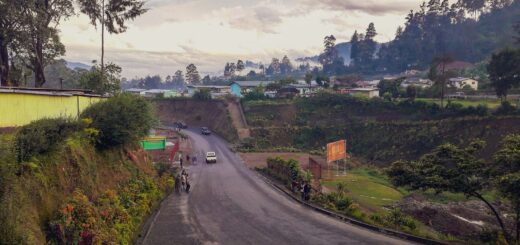
Road conditions throughout Liberia are extremely poor—Liberia has one of the lowest rates of paved road coverage in the world. Driving between cities requires 4WD vehicles. The rainy season (May–October) makes many roads impassable. Public transport is predominantly shared taxis and minibuses in terrible condition.
Driving in Monrovia is chaotic. Traffic laws are barely enforced. Motorcycles (‘pehn-pehns’) are widely used as taxis but are extremely dangerous—they account for a large proportion of road fatalities. Chartering a car with a driver through your hotel is the safest land transport option.
| ✔ Vehicle Hire: Use 4WD vehicles with experienced drivers for all travel outside Monrovia. Ensure vehicles have spare tyres, jack, fuel reserves, and basic emergency supplies before departing on intercity routes. |
| ⚠ Motorcycle Taxis: Avoid motorcycle taxis (pehn-pehns) entirely. They provide no protection, no helmets, and account for a disproportionate share of road fatalities in Liberia. |
5. Health & Medical Safety
Liberia’s health system was devastated by civil war and Ebola and remains critically underdeveloped. JFK Medical Center in Monrovia is the main public hospital but has severe resource limitations. Private clinics (ELWA Hospital, Redemption Hospital) are somewhat better equipped but still limited. Serious illness or injury requires medical evacuation.
Malaria is highly endemic—prophylaxis and insect protection are essential. Yellow fever, typhoid, cholera, Lassa fever, meningitis, and Ebola (historically) are all present risks. The 2014–2016 Ebola outbreak was centred on Guinea, Sierra Leone, and Liberia; while no active outbreak currently exists, the health system’s limited surveillance capacity means emerging disease risks may be under-detected.
| ⚠ Bushmeat Warning: Avoid consuming bushmeat (especially bats and primates), which has been linked to Ebola and other zoonotic diseases in West Africa. This is a serious public health recommendation. |
6. Common Scams & How to Avoid Them
| Scam Name | How It Works | How to Avoid It |
| Police / Military Checkpoint Bribes | Officers demand money for fabricated traffic or document violations. | Carry document copies. Stay calm, ask for official receipt. Don’t hand over original documents. |
| Fuel Scam | Hired drivers claim to need fuel money upfront, then pocket the money without filling up or abandon the journey. | Supervise fuel purchase yourself. Pay the fuel station directly. Pay full fare only on completion. |
| NGO Worker Impersonation | Individuals claim to work for UN, USAID, or other agencies to build trust and extract money or information. | Verify NGO affiliations through official channels. Don’t give money based on claimed affiliations. |
| Beach Robbery Setup | Locals befriend tourists on the beach, then signal accomplices who rob the tourist. | Do not go to isolated beaches without local guide known to your hotel. Keep valuables at hotel. |
| Overpriced Money Exchange | Informal money changers use sleight of hand to shortchange | Use bank ATMs or hotel exchange. Always count notes before exchanging yours. |
| ‘Lost’ Child Ruse | A child appears distressed and lost, and when you help, accomplices steal from you. | Be cautious when a distressing situation pulls your attention. Keep belongings secured. |
| Corrupt Visa Assistance | Someone claims to be able to expedite visas or permits for a fee—produces fraudulent documents. | Use only official government channels and verified agents for all visa/permit applications. |
7. Legal Considerations
Liberia has relatively liberal laws compared to some neighbours—homosexuality is technically illegal but not aggressively prosecuted. That said, social attitudes are conservative and LGBTQ+ tourists should exercise strong discretion. Drug possession is illegal and can result in imprisonment.
Photography of military installations, the Executive Mansion, border crossings, and police operations is prohibited. Always ask permission before photographing individuals. Children should never be photographed without explicit parental consent.
8. Cultural Awareness
Liberian culture is a unique blend of indigenous African traditions and Americo-Liberian influences from the settler community. English is universal, making communication easier than in most of West Africa. Christianity is the majority religion; Islam is practised predominantly in the north. Showing respect for local customs—particularly in rural areas—is important.
| ✔ American Connection: Many Liberians have American connections through the diaspora. This often makes conversations very accessible for American tourists. However, do not assume shared values or safety based on this cultural connection. |
9. Emergency Contacts
| Service | Number / Info |
| Police Emergency | 911 |
| Fire Service | 912 |
| Ambulance | 911 |
| ELWA Hospital Monrovia | +231 886 226 040 |
| JFK Medical Center | +231 077 036 699 |
| US Embassy Monrovia | +231 77 677 7000 |
| British Honorary Consul | +231 770 09 16 33 |
| UNMIL / UN Security | +231 77 000 1000 |
10. Pre-Departure Safety Checklist
- Read current government travel advisory for Liberia
- Obtain Yellow Fever vaccination certificate
- Begin antimalarial medication before departure
- Purchase comprehensive evacuation travel insurance
- Register with your embassy before travel
- Arrange airport pickup with verified hotel or operator
- Carry sufficient USD cash—ATM access is very limited
- Store document copies separately from originals
- Download offline maps and translate apps
- Plan route logistics carefully—avoid night road travel entirely
- Brief a trusted contact with itinerary and check-in schedule
- Pack comprehensive first-aid kit and several months of any prescription meds