How to Stay Safe in Kazakhstan
Introduction
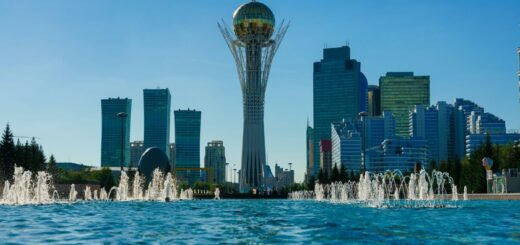
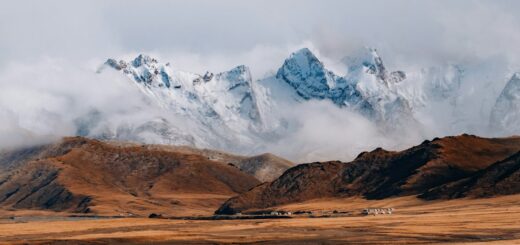
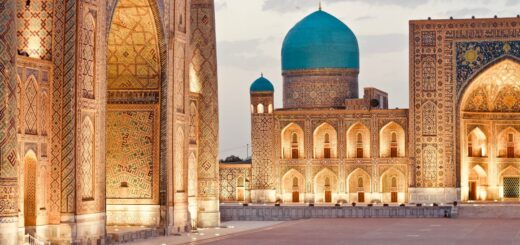
Kazakhstan, the world’s largest landlocked country (spanning approximately 2.7 million square kilometres), is a vast, diverse Central Asian nation of remarkable geographical contrasts: the ultra-modern futuristic capital Astana (formerly Nur-Sultan, formerly Astana) with its iconic Norman Foster-designed Khan Shatyr tent and Bayterek Tower; the cosmopolitan former capital Almaty nestled at the foot of the snow-capped Zailiysky Alatau mountains; the ethereal desert landscape of the Charyn Canyon; the sand-blown shores of the rapidly shrinking Aral Sea; and the ancient Silk Road cities of Turkestan and Otrar.
Kazakhstan has developed rapidly on the back of its oil and gas wealth and has invested significantly in tourism infrastructure in recent years. The country presents a fascinating blend of Kazakh nomadic traditions, Soviet legacy, and 21st-century modernism. Hospitality is deeply embedded in Kazakh culture — guests are honoured, food is shared generously, and the tradition of the dastarkhan (laid table of hospitality) is a living reality rather than a historical curiosity.
Tourism in Kazakhstan is still developing, and some infrastructure outside the main cities remains basic. The country is generally safe for tourists, though certain areas (near the border with Russia and potential spillover from regional instability) warrant awareness. The primary practical challenges for tourists are bureaucratic (visa requirements), linguistic (Russian and Kazakh dominate; English is limited outside major hotels), and logistical (vast distances between attractions).
General Safety Overview
Kazakhstan has a moderate crime rate for its income level. Violent crime against tourists is uncommon. Petty crime — pickpocketing, bag theft, theft from vehicles — occurs at moderate levels in Almaty and to a lesser extent in Astana. The areas around Almaty’s Green Bazaar (Zelyony Bazar) and the city’s central market areas warrant particular vigilance. Taxi fraud is a significant and documented problem for tourists.
Kazakhstan’s political environment is authoritarian, and certain forms of public expression and political activity are restricted. Foreign nationals who participate in or observe unsanctioned public demonstrations risk detention. Photography of government buildings, military installations, and security infrastructure is restricted and should be avoided.
Kazakhstan conducted a significant internal crackdown following civil unrest in January 2022, and the security environment has been heightened since. Follow current government travel advisories.
Personal Safety and Crime Prevention
In Almaty, exercise caution in the areas around the Green Bazaar and the central market, where pickpocket activity is higher. Late-night areas around bars and clubs in Almaty warrant standard awareness. Avoid walking alone late at night in poorly lit areas of either Almaty or Astana.
Women travelling alone should be aware that traditional gender expectations persist in Kazakhstan, particularly outside major cities. Unsolicited attention and occasional harassment, while not aggressive by global standards, can occur. Maintaining confident body language and dressing conservatively in non-tourist environments is the most effective approach.
- Secure bags in market areas of Almaty.
- Do not photograph government buildings, military sites, or police operations.
- Do not participate in or observe public demonstrations.
- Dress conservatively when visiting mosques or rural/traditional areas.
- Carry a copy of your passport — police checks occur.
Transportation Safety
Kazakhstan’s road network is extensive but uneven in quality. Major intercity highways are generally good but secondary roads outside cities can be very poor, particularly in rural and steppe areas. Driving standards are inconsistent, and road fatality rates are above global averages. The combination of long distances and poor road conditions makes long-distance driving tiring and hazardous.
Almaty and Astana have taxi services, but metered taxis are not universal. The Yandex Go app operates in Kazakhstan and is the safest, most transparent taxi option. Unmetered street taxis or private cars acting as taxis are available at very low cost but carry overcharging risk for tourists. Always agree on a specific price before entering any taxi without a meter.
- Use Yandex Go app for taxis in Almaty and Astana.
- Agree on a specific tenge price before entering any unmetered taxi.
- Long intercity drives: allow extra time; road quality varies significantly.
- Domestic flights are well-developed and recommended for long distances.
Health and Medical Safety
Healthcare quality in Kazakhstan varies. Astana and Almaty have modern private hospitals and clinics that can handle most conditions. Outside major cities, medical facilities are limited. Comprehensive travel insurance with medical evacuation is strongly recommended.
The extreme continental climate — from -30°C in winter to +40°C in summer — creates health risks at both ends of the temperature scale. The high altitude of Almaty (900m) and the nearby mountains (up to 4,000m accessible by lifts) can cause altitude-related issues for visitors arriving from sea level. Drink bottled water throughout Kazakhstan; tap water is generally not recommended for drinking.
- Purchase comprehensive travel insurance with medical evacuation cover.
- Drink bottled water throughout Kazakhstan.
- Prepare for extreme temperature ranges — pack appropriately for the season.
- Altitude awareness for mountain activities near Almaty.
Natural Hazards
Kazakhstan is seismically active in the Almaty region — the city was destroyed by a major earthquake in 1887. The Zailiysky Alatau mountain range near Almaty presents standard Alpine hiking hazards. The Charyn Canyon, while spectacular, is very hot and exposed in summer; carry adequate water.
Digital and Financial Safety
The Kazakhstani tenge (KZT) is the currency. Cash is important — ATMs are available in cities but card acceptance outside major urban establishments is limited. Currency exchange at official exchange offices is straightforward; the tenge is freely convertible. Avoid unofficial money changers.
Internet access is available and improving, with good 4G coverage in cities. Some political or sensitive content may be filtered. Russian is the dominant language of digital communication and business.
- Carry tenge cash, especially for travel outside major cities.
- Exchange currency at official banks or licensed exchange offices.
- Notify your bank before travel.
- Good mobile coverage in Almaty and Astana; patchy in steppe and rural areas.
Common Tourist Scams and How to Avoid Them
Kazakhstan is not a destination with a highly developed tourist scam culture, but several issues are consistently reported by visitors.
Taxi Overcharging (No Meters)
Kazakhstan’s taxi market is largely unregulated, and overcharging of tourists — particularly from Almaty’s airport (Almaty International Airport) and outside major hotels — is common. Without meters, drivers quote prices based on their assessment of what the tourist will pay.
How to Avoid: Use Yandex Go app for all taxi journeys — transparent, pre-agreed pricing. At the airport, use the licensed airport taxi service or pre-book. If negotiating, research standard fares for common routes before travel.
Unofficial Currency Exchange
Informal money changers near major markets in Almaty offer slightly better rates but may shortchange tourists or pass worthless or damaged notes.
How to Avoid: Exchange only at official banks or licensed exchange offices. Count all notes before leaving.
Nightlife Drink Overcharging
Some bars and clubs in Almaty overcharge tourists significantly on drinks, relying on social pressure and the absence of clear price lists. Bills for a small number of drinks can arrive in the tens of thousands of tenge.
How to Avoid: Always request a menu with prices before ordering in any Almaty bar or club. Check the price of each drink specifically. Review the bill before paying.
Police “Fine” Solicitation
While less common than historically, some police officers have been reported to demand on-the-spot cash “fines” for minor or fabricated infractions. Tourists without proper documentation are particularly targeted.
How to Avoid: Carry all required documents (passport, visa if applicable, registration document). Any official fine must be accompanied by an official receipt. If asked for an informal payment, politely request official documentation and do not pay without it.
Cultural Awareness and Etiquette
Kazakh culture is rooted in nomadic traditions that place enormous emphasis on hospitality, respect for elders, and communal sharing of food. If invited to a Kazakh home, accept — it is a genuine privilege. The traditional dish beshbarmak (boiled meat with noodles, literally “five fingers” — eaten with the hands) is a profound cultural experience. The eldest guest is always served first and given the sheep’s head, which carries great symbolic respect.
Islam is the majority religion in Kazakhstan, though the country’s Soviet history has produced a largely secular social culture. Dress modestly when visiting mosques. The combination of Central Asian, Soviet, and rapidly modernising influences makes Kazakh culture genuinely fascinating and complex — approach it with curiosity and respect.
- Accept hospitality invitations — food sharing is a deep cultural value.
- Dress modestly when visiting mosques.
- Remove shoes when entering traditional yurts and some homes.
- Learning a few words of Kazakh or Russian (“Rahmet” — thank you in Kazakh; “Spasibo” in Russian) is greatly appreciated.
Emergency Contacts
| Service | Number |
| Police | 102 |
| Ambulance | 103 |
| Fire | 101 |
| General Emergency | 112 |
Note: Emergency services in Kazakhstan may have limited English. Having your location address in Russian can assist first responders. 112 is available as the general emergency number.