How to Stay Safe in Guinea
1. Introduction
The Republic of Guinea (Conakry) is one of West Africa’s least visited countries, yet holds tremendous natural wealth and cultural heritage. The country features stunning landscapes including the Fouta Djallon highlands, Conakry, and diverse ethnic cultures. However, Guinea presents serious safety challenges that put it firmly in the ‘exercise extreme caution’ category for most Western governments.
Guinea has experienced significant political instability, including a military coup in September 2021. The country has a history of violent political transitions, civil unrest, and ethnic tensions. Infrastructure is extremely poor, health risks are high, and tourism infrastructure is minimal. This guide is intended for those who have a compelling reason to visit—journalists, aid workers, researchers, or adventurous travellers—rather than for general leisure tourism.
| ⚠ High Caution Advisory: Most Western governments advise a high degree of caution or reconsider travel to Guinea due to political instability, risk of civil unrest, crime, and poor infrastructure. Check your government’s latest advisory before planning travel. |
2. Security Landscape
Since the September 2021 military coup led by Colonel Mamadi Doumbouya, Guinea has been under military rule. The junta, while initially welcomed by some, has curtailed political activity and press freedom. Protests and civil disturbances occur and can turn violent with little warning. Security forces have used lethal force on protesters in the past.
Armed robbery, carjacking, and muggings—sometimes by armed criminals—occur in Conakry and along rural roads. The border areas with Guinea-Bissau, Liberia, Sierra Leone, and Côte d’Ivoire can be particularly volatile. Drug trafficking through Guinea has been associated with organised crime and violence.
| ⚠ Demonstrations: Avoid all political gatherings and demonstrations. Security forces have used live ammunition on protesters. Move quickly to a safe location if any demonstration begins near you. |
| ⚠ Roadblocks: Military and police roadblocks are common. Have copies of documents ready. Remain calm, be polite, and do not argue. Bribery is common at roadblocks—carry small denomination bills to facilitate passage if necessary. |
3. Conakry & Regional Safety
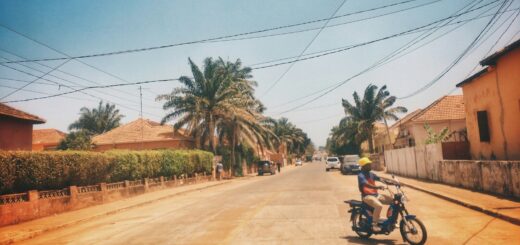
Conakry, the capital, is built on a narrow peninsula. Traffic congestion is severe and road conditions are extremely poor. Crime—including armed robbery—is a significant concern, particularly in markets, on the outskirts of the city, and at night. Kaloum (the administrative centre) is somewhat more stable during daylight hours.
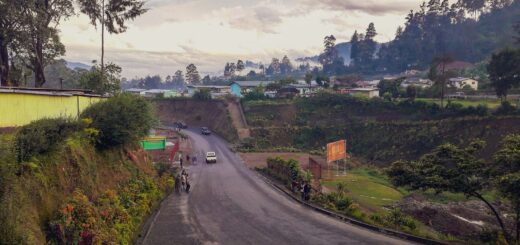
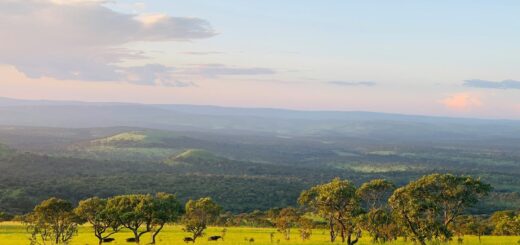
The Fouta Djallon highlands are the most tourism-friendly part of the country, with cooler temperatures, waterfalls, and trekking routes. Crime risk is lower, though infrastructure remains very limited. The Forest Region (southeastern Guinea) borders Liberia and Sierra Leone and carries elevated risk from cross-border criminal activity and past conflict.
| ✔ Accommodation: Stay in internationally recognised hotels with security measures. Avoid guesthouses in poorly lit or isolated areas. Ask hotel staff for security advice before venturing out. |
4. Transportation Safety
Conakry has among the worst traffic in West Africa, compounded by flooding during the rainy season turning streets into rivers. Bush taxis (sept-places) are the primary intercity transport option but are severely overcrowded and poorly maintained. Road accidents are extremely common.
Air travel within Guinea is limited. International flights connect Conakry to other West African hubs and Europe. Flying rather than driving between major destinations is recommended when feasible. Night driving outside Conakry is strongly discouraged due to poor road conditions, unlit roads, and potential for robbery.
| ⚠ Vehicle Safety: Do not travel in obviously overcrowded or mechanically suspect vehicles. Road conditions deteriorate dramatically in the rainy season (May–October). Always verify vehicle condition before long journeys. |
5. Health & Medical Safety
Guinea faces severe public health challenges. Malaria is endemic. Guinea was the epicentre of the 2014–2016 West Africa Ebola outbreak, and health authorities remain vigilant for emerging infectious diseases. Cholera outbreaks occur periodically. Lassa fever, meningitis, yellow fever, and typhoid are present.
Medical facilities in Guinea are extremely limited even in Conakry. Public hospitals lack basic supplies, trained staff, and hygienic conditions. Private clinics exist in Conakry but are of variable quality. For any serious illness or injury, medical evacuation to Dakar or Europe is strongly recommended. Comprehensive travel insurance with evacuation cover is non-negotiable.
Tap water is unsafe everywhere in Guinea. Use only bottled or treated water. Food hygiene is a serious concern; stick to freshly cooked, hot food from reputable establishments.
| ⚠ Ebola Awareness: Guinea has experienced multiple Ebola outbreaks. Avoid direct contact with bushmeat (particularly bats and primates). Report any fever with bleeding symptoms immediately to medical authorities. |
6. Common Scams & How to Avoid Them
| Scam Name | How It Works | How to Avoid It |
| Military/Police Extortion | Officials at checkpoints demand ‘fees’ for passage, document checks, or fabricated traffic violations. | Stay calm, have photocopies of documents ready, do not show originals. Negotiate respectfully. Do not argue or make accusations. |
| Fake Money Exchange | Street changers offer attractive rates then shortchange or pass counterfeit bills. | Use bank or hotel exchange services only. Count all money before transacting. |
| Business Opportunity Fraud | Someone offers a mineral export deal, investment opportunity, or business partnership requiring upfront payment. | Walk away from all unsolicited business proposals. Verify any business through official channels. |
| Taxi Overcharging | Drivers quote wildly inflated fares to foreigners unfamiliar with local prices. | Ask hotel staff what fair rates are for your routes before taking a taxi. Negotiate firmly. |
| Child ‘Guides’ | Children approach tourists offering guidance, then demand payment or use distraction while accomplices steal items. | Be kind but firm. Decline the help and keep your belongings secured. |
| Customs Bribery Setup | Officials ‘discover’ a problem with your luggage that can be resolved with a payment. | Do not pack prohibited items. If accused of a violation, ask for official documentation and to speak with a supervisor. |
| Photo Demand for Payment | After photographing locals or their property, they demand significant sums. | Always ask permission before photographing. Agree on any gratitude payment before shooting. |
7. Legal Considerations
Under military rule, the legal landscape in Guinea is unpredictable. Journalists and NGO workers face particular scrutiny. Photography of government buildings, military installations, and infrastructure is prohibited and can result in arrest and detention.
LGBTQ+ activity is illegal in Guinea and carries severe social stigma and legal risk. Exercise extreme discretion. Drug possession carries severe prison sentences.
| ⚠ Detention Risk: Arbitrary detention of foreigners—particularly journalists, activists, and NGO workers—has occurred under the current military government. Maintain a low profile and carry institutional documentation if relevant. |
8. Cultural Awareness
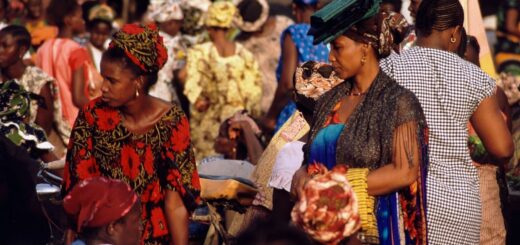
Guinea is approximately 85% Muslim. Ramadan is strictly observed; eating, drinking, or smoking in public during daylight hours during Ramadan is disrespectful and may cause offence. Dress modestly—women should cover shoulders and knees; men should not go shirtless in public areas. Greet people before engaging in conversation or transactions.
| ✔ Language: French is the official language. Learning basic French phrases is essential for navigation and daily interactions. Fula (Pular), Mandinka, and Susu are widely spoken in different regions. |
9. Emergency Contacts
| Service | Number / Info |
| Police (Conakry) | +224 622 20 18 65 |
| Fire Brigade | 18 |
| Ambulance / SAMU | 15 |
| Donka National Hospital | +224 621 35 00 35 |
| French Embassy Conakry | +224 621 69 00 16 |
| US Embassy Conakry | +224 655 10 40 00 |
| Medical Evacuation (REGA/SOS) | Via travel insurer |
10. Pre-Departure Safety Checklist
- Read your government’s current travel advisory for Guinea
- Obtain Yellow Fever vaccination (required for entry)
- Begin antimalarial medication before departure
- Purchase evacuation-grade travel insurance
- Register with your embassy before travel
- Carry institutional letters (NGO, press, academic) if applicable
- Download offline maps and translate app for French
- Store multiple copies of all documents in separate locations
- Brief a trusted contact on your itinerary and check-in schedule
- Carry a shortwave radio for emergency information
- Pack comprehensive medical kit including IV fluids if medically trained