How to Stay Safe in Ghana
1. Introduction
Ghana is one of West Africa’s most politically stable and tourist-friendly nations, frequently recommended as an entry point into the region. Known for its friendly population, rich cultural heritage, Ashanti gold traditions, slave trade history at Cape Coast Castle, and diverse wildlife, Ghana receives a growing number of international visitors. Accra, the vibrant capital, has a growing international infrastructure of hotels, restaurants, and services.
Despite its relative stability, Ghana presents meaningful safety challenges. Internet fraud (‘sakawa’), petty crime, corrupt officials, and health risks are real concerns. Tourists should be well-prepared and maintain situational awareness throughout their visit.
| ✔ Best Time to Visit: The dry season (November–March) is generally the most comfortable for travel. The rainy season (April–October) brings higher humidity, flooding in low-lying areas, and poorer road conditions—especially in the north. |
2. Security Landscape
Ghana’s overall crime rate is moderate. Violent crime against tourists is relatively uncommon, but petty crime—pickpocketing, bag snatching, and phone theft—is prevalent, particularly in Accra. The northern regions bordering Burkina Faso, Togo, and Côte d’Ivoire have seen spillover from regional instability, and some areas near those borders carry elevated risk.
Cybercrime is a well-known issue in Ghana, particularly romance scams and advance-fee fraud (sakawa). Online communications with Ghanaian contacts should be treated with appropriate caution if financial requests arise.
| ⚠ Northern Border Regions: The Upper East and Upper West regions near the borders with Burkina Faso and Côte d’Ivoire carry elevated risk due to spillover from Sahelian instability. Consult current travel advisories before visiting these areas. |
3. Safe vs. Risky Areas
Generally Safe
Accra (daytime, in tourist areas): Osu, East Legon, Cantonments, Airport Residential Area. Cape Coast and Elmina: Major tourist sites with tourist police presence. Kumasi city centre (daytime): Busy, commercial, manageable with caution. Volta Region and Akosombo: Popular tourist areas, relatively low crime.
Higher Risk
Accra markets (Makola, Kejetia bus terminals): Dense crowds, pickpocketing. James Town and Chorkor in Accra: High crime, avoid at night. Tema Station area: Aggressive touts and theft. Northern border regions: Volatility from Sahelian conflict spillover. Any area at night without trusted transport.
| ⚠ Beach Safety: Labadi Beach and other public beaches can involve aggressive vendors and harassment. Keep valuables secured and be cautious of ‘friendly strangers’ who want to show you something. |
4. Transportation Safety
Accra’s road traffic is among the most chaotic in West Africa. Road fatalities are extremely high—Ghana consistently ranks among the worst in the world for road deaths per capita. Tro-tros (minibuses) are cheap but dangerously overloaded. Long-distance bus companies like VIP Jeoun, STC, and OA Travel are safer options for intercity travel.
Taxis in Accra are largely unmetered; negotiate fares before boarding. Uber operates in Accra and is significantly safer and more transparent on pricing. Night driving outside Accra should be avoided due to potholes, unlit roads, and highway robberies reported on some routes.
| ✔ Ride Safety: Use Uber or Bolt in Accra for metered, traceable rides. Share trip details with someone you trust. Always sit in the back seat and keep windows up in traffic to prevent phone/bag snatching. |
| ⚠ Driving: If self-driving, exercise extreme caution. Traffic laws are poorly enforced, and aggressive driving is the norm. Avoid driving after dark outside urban areas. |
5. Health & Medical Safety
Malaria is prevalent throughout Ghana and is one of the biggest health risks for visitors. Take antimalarials prescribed by your travel doctor and use DEET-based repellents and mosquito nets. Yellow fever vaccination is required for entry. Other health risks include typhoid, hepatitis A and B, meningitis, and cholera.
Medical facilities in Accra include private hospitals such as Korle Bu Teaching Hospital (public, limited), 37 Military Hospital, and several well-regarded private clinics. Outside Accra and Kumasi, medical care quality drops sharply. Carry a well-stocked first-aid kit when travelling upcountry.
Tap water is not potable. Use sealed bottled water consistently. Food hygiene at high-end restaurants is generally reliable; street food carries higher risk of stomach illness but is also often freshly cooked. Be selective.
| ⚠ Rabies Risk: Dog bites are a genuine concern in Ghana. All animal bites require immediate medical attention. Consider pre-exposure rabies vaccination if planning extended travel or outdoor activities. |
6. Natural Hazards
The rainy season (April–mid-July and September–October) brings heavy rainfall, flash flooding in Accra, and difficult road conditions throughout the country. The Volta River and other watercourses can flood dramatically and with little warning.
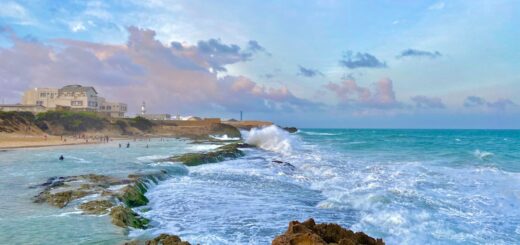
Harmattan winds from the Sahara blow November through March, significantly reducing visibility and air quality—this can affect sensitive travellers with respiratory conditions. Gulf of Guinea coastal waters have strong currents; swimming is dangerous at many beaches.
| ⚠ Ocean Swimming: Drownings occur at Ghanaian beaches regularly. Many beaches are unpatrolled. Only swim at supervised hotel pools or properly patrolled beaches. Never swim alone. |
7. Common Scams & How to Avoid Them
| Scam Name | How It Works | How to Avoid It |
| Advance Fee / 419 Fraud (Sakawa) | Online contact claims to be a wealthy Ghanaian offering business, romance, or investment. Builds trust over weeks, then requests money transfers for emergencies, fees, or releases. | Never send money to someone you have not met in person. Verify all claims independently. Any online relationship requesting money is a red flag. |
| Fake Gold / Minerals Scam | A ‘businessman’ claims to have high-quality gold, diamonds, or other minerals to sell below market price and requests payment or a ‘facilitation fee.’ | No legitimate mineral dealer operates this way. Ignore all unsolicited offers of minerals or precious goods. |
| Police Impersonation | Fake police in plain clothes demand to see your wallet or documents, then steal cash claiming to count it or check for counterfeit bills. | Ask to see official ID and request to go to the nearest police station. Legitimate officers will not object to this. |
| Overcharging at Craft Markets | Vendors at Accra Arts Centre and similar markets quote prices 10–20x higher to tourists. | Start negotiations at 20–25% of asking price. Be prepared to walk away. Ask hotel staff what fair prices are for items you want. |
| SIM Card / Calling Scam | ‘Helpful’ individual installs a SIM and then racks up international charges, or offers a phone call on their phone and charges enormously. | Only purchase SIMs from authorised telecom outlets (MTN, Vodafone, AirtelTigo official stores). Never borrow unknown phones. |
| Fake Tour Guides | Unlicensed individuals claiming to be official guides for Kakum, Cape Coast, or Mole National Park charge inflated fees for poor service or simply disappear with a deposit. | Book guides through official park entrances or reputable agencies. Don’t pay anything upfront to strangers. |
| Airport Taxi Overcharging | Taxis outside Kotoka International Airport charge 5–10x the fair rate to new arrivals unfamiliar with local prices. | Arrange airport pickup with your hotel or use a pre-booked trusted service. If using a taxi, agree a firm price before loading luggage. |
| Friendship Leads to Theft | A friendly local engages you in extended conversation, then leads you to a location where an accomplice steals your bag or phone. | Be courteous but cautious with overly persistent new ‘friends.’ Keep belongings secured at all times. |
8. Legal Considerations
Homosexuality is illegal in Ghana and, as of 2021, a new bill was tabled to further criminalise LGBTQ+ activities. LGBTQ+ tourists should exercise extreme discretion. Public displays of affection can attract police attention.
Drug laws are strict; possession of even small quantities can result in imprisonment. Photography of police, military, and government buildings is restricted and can lead to detention. Photographing individuals without consent, especially in traditional communities, should be avoided.
Corruption does exist among some police officers. Paying unofficial ‘fines’ is illegal but sometimes difficult to avoid. If approached for a bribe, politely ask for an official receipt or to accompany the officer to the station—this often resolves the situation without payment.
| ⚠ Bribery: Do not offer bribes first—this can itself be a criminal offence. If demanded, remain calm, do not argue aggressively, and ask for official documentation of any fine. |
9. Cultural Awareness
Ghana is a deeply religious country—both Christianity and Islam are widely practised. Sunday church services and Friday mosque attendance are significant social institutions. Dress modestly when visiting religious sites. Funerals in Ghana are major community events; if you witness one, be respectful and ask before photographing.
The Ashanti region has its own royal court and cultural protocols. When meeting traditional chiefs or entering a chief’s palace, follow local guidance—removing shoes, not crossing legs, and speaking through a designated intermediary may be required.
| ✔ Cultural Engagement: Ghanaians are generally warm and enjoy conversation. Learning basic greetings in Twi (‘Akwaaba’ = welcome, ‘Medaase’ = thank you) is warmly received and improves interactions significantly. |
10. Emergency Contacts
| Service | Number / Info |
| Police Emergency | 191 or 18555 |
| Fire Service | 192 |
| Ambulance | 193 |
| Korle Bu Teaching Hospital | +233 30 276 1222 |
| Trust Hospital Accra (private) | +233 30 278 7560 |
| US Embassy Accra | +233 30 274 1000 |
| British High Commission Accra | +233 30 221 3000 |
| Tourist Police | +233 30 268 4096 |
| Ghana Tourism Authority | +233 30 223 7533 |
11. Pre-Departure Safety Checklist
- Verify current travel advisories for Ghana and border regions
- Get Yellow Fever vaccination certificate (required for entry)
- Obtain antimalarial prescription and begin medication as directed
- Purchase comprehensive travel insurance with evacuation coverage
- Book first night accommodation and airport transfer before arrival
- Install Uber or Bolt app and set up payment before departing home
- Carry small-denomination GHS for local markets
- Store passport copies separately from originals
- Research tour operators with verified reviews (TripAdvisor/official tourism board)
- Pack DEET repellent, sunscreen, water purification tablets, and first-aid kit
- Note locations of accredited hospitals near your intended travel areas
- Avoid sharing itinerary details with new acquaintances