How to Stay Safe in Georgia
1. Introduction
Georgia, situated at the crossroads of Eastern Europe and Western Asia, is one of the Caucasus region’s most rewarding travel destinations. Known for its ancient winemaking culture (qvevri wine-making is UNESCO-listed), dramatic mountain scenery (Kazbegi, Svaneti, Tusheti), medieval cave cities (Vardzia, Uplistsikhe), vibrant capital Tbilisi with its sulfuric bathhouses and old-town charm, and legendary hospitality (the concept of ‘tamada’ — the toast-master — reflects the culture’s deep tradition of welcoming guests), Georgia has become increasingly popular with international visitors.
Georgia borders Russia (north), Turkey (southwest), Armenia (south), and Azerbaijan (east), with coastline on the Black Sea. The capital is Tbilisi. The currency is the Georgian Lari (GEL). The population is approximately 3.7 million. The official language is Georgian (a unique language with its own alphabet). Russian is widely understood, particularly among older generations, and English is increasingly spoken in tourist areas.
| TIP — Overall Safety: Georgia is generally safe for tourists. Tbilisi is a walkable, relatively safe capital city. The main concerns are petty theft, road safety, and the disputed territories of South Ossetia and Abkhazia. |
2. Security Landscape
2.1 Disputed Territories
| WARNING — South Ossetia & Abkhazia: South Ossetia and Abkhazia are breakaway regions controlled by Russian-backed forces and not under Georgian government control. The Georgian government considers entry via Russia into these regions illegal. Entry from Russian territory into South Ossetia is denied by Russia for most visitors. Do not attempt to cross into these regions. The area around the South Ossetia Administrative Boundary Line (ABL) has seen sporadic incidents and ‘borderisation’ activities by Russian-backed forces. Maintain distance from the ABL. |
2.2 Crime
Tbilisi city centre is generally safe to walk at night. Pickpocketing occurs in crowded areas (Rustaveli Avenue, Narikala Fortress area, Dry Bridge market, Didube and Ortachala bus stations, marshrutka routes). Car break-ins targeting tourists with visible valuables are the most common vehicle crime. Violent crime against tourists is rare but not unknown in nightlife areas after midnight.
2.3 Demonstrations
Georgia has an active civil society and regular protests. In 2023-2024, large protests occurred in Tbilisi around Rustaveli Avenue regarding the Russian-style ‘foreign agents law.’ While most protests are peaceful, they can become tense. Monitor local news and avoid protest areas when demonstrations are announced.
3. Safe & Unsafe Areas
| TIP — Safe for Tourists: Tbilisi Old Town (Abanotubani, Narikala), Mtskheta, Kazbegi (Stepantsminda), Gori, Borjomi, Batumi (Black Sea coast), Kutaisi, Sighnaghi (Kakheti wine region), Mestia (Svaneti) — all generally safe. |
| WARNING — Avoid or Exercise Extreme Caution: South Ossetia ABL area (Tskhinvali region border). Abkhazia (accessible from Abkhaz side only, no Georgian legal access). Pankisi Gorge historically associated with militants — check current situation. |
4. Transportation
Tbilisi has a metro (2 lines), buses, and marshrutkas. Taxis via Yandex Go, Bolt, and local apps (Maxim) are the most convenient option. Agree fares before departure or use app pricing. Rental cars are available and Georgia’s roads, while variable, are manageable for experienced drivers. Mountain roads in Svaneti, Tusheti (Abano Pass), and Kazbegi are spectacular but challenging — 4WD recommended, seasonal closures apply.
| WARNING — Mountain Roads: The Abano Pass (Tusheti, 2,926m) and the military highway to Kazbegi are subject to landslides and weather closures. The Abano Pass is only accessible July-September in good conditions. Do not attempt without a local guide and appropriate vehicle. |
5. Health & Medical
Medical facilities in Tbilisi are adequate for routine care (Tbilisi Central Hospital, IMSS International Medical Centre). Outside the capital, facilities are limited. Ensure travel health insurance with evacuation coverage. Recommended vaccinations: hepatitis A, hepatitis B, typhoid, rabies (if adventure activities planned). Mountain trekking carries altitude sickness risk at higher elevations (Svaneti peaks exceed 5,000m). Tap water is generally safe in Tbilisi and larger cities.
6. Common Scams & Threats
| Scam Name | How It Works | How to Avoid It |
| Taxi Overcharging | Unmetered taxis charge tourists 5-10x normal rates, particularly from Tbilisi train station and tourist areas. | Use Yandex Go or Bolt apps for transparent, pre-agreed pricing. Airport to city centre should be GEL 30-50. |
| Guesthouse Bait & Switch | Budget accommodation advertised online turns out to be different or in a worse location. | Book through Booking.com or direct hotel websites. Read recent reviews carefully. |
| Currency Exchange Shortfall | Informal money changers near tourist areas give poor rates. | Use official exchange booths on Rustaveli Avenue or bank ATMs. Rates are excellent at Tbilisi exchange kiosks. |
| Wine Purchase Fraud | Vendors sell low-quality or fake Georgian wine as premium vintage. | Buy wine from reputable wine shops (Wine Factory 1, wine shops in Kakheti direct from producers). |
| Trinket Overpricing | Vendors at Dry Bridge antique market wildly inflate prices. | Bargain firmly. Starting prices are typically 3-5x the fair price. |
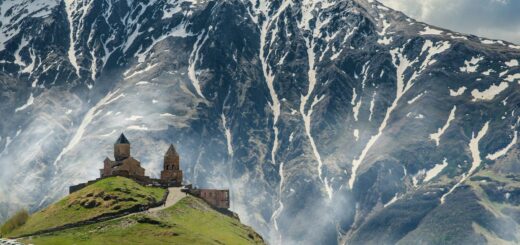
| Hiking Guide Fraud | Unofficial ‘guides’ in mountain areas (Kazbegi, Svaneti) claim trails are dangerous without them. | Use licensed guides for genuinely challenging routes. Many popular routes (Gergeti Trinity Church) do not require a guide. |
| Short-changing in Restaurants | Waiters in tourist-heavy restaurants add extra items or charge for unsolicited bread/water. | Review bills carefully. Ask for an itemised receipt. Small restaurants in Old Town can add extras. |
| Card Skimming | ATM skimming devices reported near tourist areas. | Use ATMs inside banks or supermarkets. Cover the keypad when entering PIN. |
7. Legal & Cultural Considerations
Georgia is predominantly Georgian Orthodox Christian. Dress modestly when visiting churches — women must cover their heads and shoulders; men must remove hats. Photography is generally permitted at tourist sites. Drug laws are strict — cannabis is effectively decriminalised for personal use but other drugs carry serious penalties. LGBTQ+ rights are legally protected but social acceptance is limited, particularly outside Tbilisi. The 2023 Tbilisi Pride was met with counter-demonstrations.
Alcohol is an important part of Georgian culture — wine and chacha (grape brandy) are integral to hospitality. Drink-driving is illegal with a near-zero limit enforced. The Georgian tradition of toast-making (tamada) means you will be offered many drinks at social gatherings — it is polite to participate but you may decline with appreciation.
8. Emergency Contacts
| Service | Number / Details |
| Police Emergency | 112 |
| Ambulance | 112 |
| Fire Service | 112 |
| Tourist Helpline | 1505 |
| IMSS International Medical Centre | +995 32 2 220 220 |
| Tbilisi Central Hospital | +995 32 2 513 777 |
| UK Embassy Tbilisi | +995 32 274 747 4 |
| US Embassy Tbilisi | +995 32 227 7000 |
| Mountain Rescue (Alpine Club) | +995 599 550 555 |
9. Safety Checklist
- Use Yandex Go or Bolt for all taxi travel
- Do not approach South Ossetia or Abkhazia Administrative Boundary Lines
- Carry 4WD for mountain driving in Svaneti, Tusheti, or Kazbegi areas
- Check weather and road conditions before mountain passes
- Dress modestly and cover head (women) when visiting Orthodox churches
- Purchase travel health insurance including mountain rescue and evacuation
- Book accommodation through reputable platforms only
- Check current protest news before visiting central Tbilisi
- Keep valuables hidden — do not leave items visible in cars
- Register with your embassy’s travel registry