How to Stay Safe in Ethiopia
1. Introduction
Ethiopia is one of Africa’s oldest civilisations and most culturally rich countries—a nation that was never colonised (except briefly by Italy 1935–41), with a history stretching back thousands of years. It is home to Lucy (one of the world’s oldest human ancestors), the Axumite Empire, ancient Lalibela rock-hewn churches (UNESCO), the Blue Nile Falls, the Omo Valley tribal cultures, the Danakil Depression (one of the hottest and most alien landscapes on Earth), Simien Mountains National Park (Ethiopian wolves, gelada baboons), and a coffee culture that gave the world its brew.
Ethiopia is also a country in significant turmoil. The Tigray War (2020–2022) killed an estimated 300,000–500,000 people and created one of the world’s worst humanitarian crises. While a ceasefire was signed in November 2022, post-conflict instability, ongoing conflict in Amhara and Oromia regions, and ethnic tensions in multiple areas make parts of Ethiopia seriously unsafe. Most Western governments issue region-specific advisories, with some areas ‘do not travel’ and others manageable with normal precautions.
| ⚠ Region-Specific Risk Varies Enormously: Do not treat Ethiopia as uniformly safe or unsafe. Addis Ababa and major tourist sites (Lalibela, Axum, Gondar, Simien Mountains) may be accessible with care. Tigray, Afar, Amhara (parts), Oromia (some areas), and Somali Region carry significantly higher risk. Always check current conditions for your specific planned areas. |
2. Security Landscape
Addis Ababa, the capital, has managed crime levels—petty theft (pickpocketing, bag snatching) particularly in Mercato (Africa’s largest open-air market), around the central bus stations, and at night. Car break-ins are common. The Piazza area and Bole Road are more tourist-friendly. Serious violent crime against tourists is relatively uncommon but does happen.
Outside Addis, the security picture is complex. The Tigray region (north) is still recovering from the devastating 2020–2022 war and has unexploded ordnance, damaged infrastructure, and residual tensions. The Amhara region has experienced armed conflict with the Fano militia. Oromia has OLA (Oromo Liberation Army) activity. The Somali Region has clan violence. The Afar and Danakil Depression area requires professional armed escort due to kidnapping history.
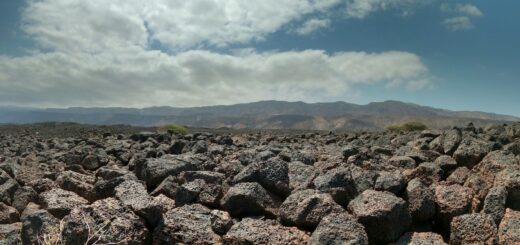
| ⚠ Danakil Depression: The Danakil Depression is one of the world’s most extraordinary landscapes but requires an armed escort provided through official tour operators. Several kidnapping incidents of tourists have occurred here. Never attempt Danakil without a reputable operator and the mandatory armed guard. |
3. Key Tourist Destinations
Lalibela
Lalibela’s 12th-century rock-hewn churches are one of the world’s great religious sites and genuinely unmissable. The town is generally safe for tourists with normal precautions. Fly from Addis Ababa (daily flights); the road journey is long and passes through varied security zones. Local guides are strongly recommended for navigating the church complex.
Simien Mountains
Simien Mountains National Park is spectacular—home to the endemic Ethiopian wolf, gelada baboon (the world’s only grass-eating primate), and dramatic highland scenery. The Simien is generally accessible, though the park has periodically been closed due to security concerns in adjacent areas. An armed scout is mandatory for all treks. Book through reputable operators.
Omo Valley
The Omo Valley in southern Ethiopia has extraordinary tribal diversity—Mursi, Hamar, Karo, Dassanech and many more peoples with ancient traditions. The road south is long and requires planning. Tour operators manage most access. Photography protocols are important—respect communities and pay agreed fees for portraits.
4. Transportation Safety
Addis Ababa has a modern light rail system that is reliable and safe. Ride-hailing apps (Ride, ZayRide) are available and safer than street taxis. Airport taxis are metered. Long-distance road travel in Ethiopia is improving but roads in many highland areas are poor, particularly in the rainy season (June–September).
Ethiopian Airlines is one of Africa’s best carriers and offers domestic connections to Lalibela, Axum, Gondar, Jiinka, and many other destinations. Flying domestically is strongly recommended over long road journeys, both for safety and efficiency. Night road travel outside Addis is not recommended.
| ✔ Ethiopian Airlines: Ethiopian Airlines is a Star Alliance member and Africa’s largest carrier. Its domestic network is extensive and prices are reasonable. Book early for popular routes (Lalibela especially fills quickly in peak season). |
5. Health & Medical Safety
Malaria is present in lowland areas (below 2,000m) including the Omo Valley, Gambella, and the east. Addis Ababa and highlands are malaria-free due to altitude. Yellow fever vaccination is required. Typhoid, hepatitis, meningitis, rabies (widespread dog population), and cholera are all present. Altitude sickness is a real risk in the highlands (Simien, Lalibela at 2,500m) and above.
Medical facilities in Addis Ababa include several decent private hospitals (International Clinical Laboratories, Landmark Hospital, St Gabriel Hospital) with acceptable care. Outside Addis, facilities drop sharply. Medical evacuation insurance is important for any travel outside the capital. The CDC recommends polio booster for Ethiopia travel.
6. Common Scams & How to Avoid Them
| Scam Name | How It Works | How to Avoid It |
| Mercato Pickpocketing | Africa’s largest market is notorious for pickpockets and bag snatchers. Crowded lanes make it easy to lose items without noticing. | Go with a trusted guide. Keep valuables in a front money belt. Carry only what you need. Avoid on busy days if possible. |
| ‘Cultural Show’ Overcharge | Guides take tourists to ‘traditional restaurants’ or ‘cultural shows’ where inflated bills await. | Book entertainment through your hotel. Agree on prices before any show. Be wary of unsolicited invitations to shows. |
| Taxi Overcharging | Taxis without metres charge tourists inflated rates, especially from Bole Airport. | Use Ride or ZayRide apps in Addis. Agree on metre or set price before boarding street taxis. |
| Faranji (Foreigner) Pricing | ‘Faranji’ (foreigner) prices are routine at many tourist sites, markets, and transport. This is semi-official at government sites. | Accept dual pricing at government sites (it funds conservation). Bargain firmly at private markets. |
| Historic Churches Donation Demands | At rock-hewn churches, aggressive ‘priests’ demand large donations and perform ‘blessings’ then expect payment. | Have small bills ready for donations. Politely decline unsolicited blessings if you don’t want to pay. Book a reputable guide who manages these interactions. |
| Shoe-Shining Scam | A boy drops polish on your shoe then offers to clean it, demanding a large fee. | Decline the offer immediately. Don’t let anyone touch your shoes. |
| Fake Antiques | Vendors claim to sell genuine ancient Axumite coins, biblical manuscripts, or historical artefacts. | Export of genuine Ethiopian antiquities is illegal. All such ‘antiques’ being sold are almost certainly fake or stolen. Avoid entirely. |
| Danakil ‘Private Guide’ Offer | Individuals claim to offer Danakil trips without armed escort, saving money. | This is illegal and extremely dangerous. Always use licensed operators with the mandatory armed escort for Danakil. |
7. Legal Considerations
Ethiopia does not have laws explicitly criminalising homosexuality, though social attitudes are extremely conservative and same-sex relationships are deeply taboo. LGBTQ+ tourists should exercise strong discretion. Drug possession carries severe penalties. Photography of military installations, airports, and government buildings is prohibited.
The ongoing ethnic and political tensions mean that casual discussions of politics, ethnic identity, or current conflicts with strangers can be sensitive. Journalists and researchers require government accreditation. The government has a history of detaining critics and journalists.
8. Cultural Awareness
Ethiopian culture is extraordinarily rich. The Ethiopian Orthodox Christian tradition is one of the world’s oldest—the Timkat (Epiphany) and Meskel (Finding of the True Cross) festivals are spectacular. Ethiopian coffee ceremony (bunna) is a profound social ritual—accepting an invitation to a coffee ceremony is a mark of respect. Ethiopian cuisine (injera bread, tibs, kitfo, wot stews) is excellent and generally safe in established restaurants.
| ✔ Coffee Ceremony: If invited to a traditional Ethiopian coffee ceremony, accept with gratitude. The ceremony involves three rounds of coffee (abol, tona, baraka) and is a significant social act of welcome and community. It typically takes 45–60 minutes. |
9. Emergency Contacts
| Service | Number / Info |
| Police Emergency Addis Ababa | 991 |
| Fire | 939 |
| Ambulance | 907 |
| St Gabriel Hospital Addis | +251 11 661 3622 |
| Landmark Hospital Addis | +251 11 667 0267 |
| US Embassy Addis Ababa | +251 11 130 6000 |
| British Embassy Addis Ababa | +251 11 617 0100 |
| Ethiopian Airlines Lost/Found | +251 11 665 6666 |
10. Pre-Departure Safety Checklist
- Check SPECIFIC regional travel advisories for each area you plan to visit
- Obtain Yellow Fever vaccination certificate
- Get antimalarials prescribed for lowland areas (not needed for highlands)
- Purchase travel insurance with evacuation coverage
- Book domestic Ethiopian Airlines flights well in advance
- Book Danakil/remote tours ONLY through licensed operators with armed escort
- Carry small-denomination Ethiopian Birr for tips and small purchases
- Register with your embassy before travel
- Download offline maps for Addis and planned rural areas
- Research current security conditions in Amhara, Oromia, and Tigray before travel
- Pack altitude sickness medication if visiting highlands above 3,000m