How to Stay Safe in Eswatini (formerly Swaziland)
1. Introduction
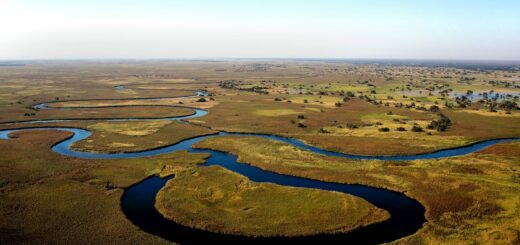
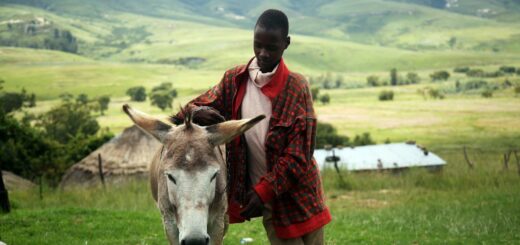
Eswatini (formerly known as Swaziland, renamed in 2018) is a small, landlocked kingdom entirely surrounded by South Africa (on three sides) and Mozambique (on one). It is one of the world’s last remaining absolute monarchies—King Mswati III rules by decree with no multiparty elections. Despite this, Eswatini has genuine tourist appeal: the Hlane Royal National Park (elephant, rhino, lion), beautiful highland scenery, vibrant cultural ceremonies (the Umhlanga Reed Dance and Incwala ceremonies), and excellent crafts—particularly the Swazi candle factories and glass crafts.
Most Western governments rate Eswatini as ‘exercise a high degree of caution’ due to civil unrest—the country saw significant protests and a government crackdown in 2021 following demands for democratic reform, with deaths and injuries reported. Crime is also a concern, particularly in urban areas. HIV/AIDS prevalence is among the world’s highest (approximately 27% of adults), a public health emergency that the government is working to address.
| ⚠ Political Protests: Eswatini has had ongoing political tension since 2021 protests demanding democratic reforms. Demonstrations can turn violent with little warning. Avoid all political gatherings. Monitor local news and embassy alerts, particularly around politically sensitive dates. |
2. Security Landscape
Mbabane (the administrative capital) and Manzini (the commercial centre) have moderate crime—muggings, bag snatching, and car break-ins are documented. Night movement in both cities should be by taxi rather than on foot. The road between Manzini and Mbabane has had instances of highway robbery. The main tourist areas (Big Bend, Hlane, Mkhaya, Mlilwane) are generally calmer.
Road accidents are significant—many roads are in poor condition and driving is aggressive. The border crossings with South Africa (Oshoek/Ngwenya, Lavumisa) are busy and can involve delays and opportunistic crime. Night driving is not recommended.
3. Key Attractions
Hlane Royal National Park
Hlane is the largest national park, with white and black rhino, elephant, lion, and abundant birdlife. Walking safaris with rangers are available. The park is well-managed. Accommodation ranges from budget camp to comfortable chalets.
Cultural Ceremonies
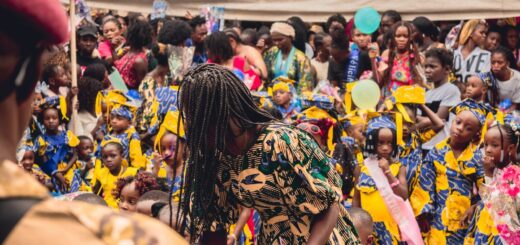
The Umhlanga (Reed Dance, August/September) gathers tens of thousands of young Swazi women at the royal palace—a spectacular cultural spectacle. Photography protocols apply: ask for guidance on what is appropriate. The Incwala ceremony (December/January) celebrates first fruits—more restricted for tourist photography. Both are genuinely extraordinary events.
Crafts & Shopping
Eswatini has excellent crafts—Swazi Candles, Ngwenya Glass, Gone Rural Baskets, and Baobab Batik are internationally recognised craft enterprises. Shopping at these is safe and rewarding. The craft quality is genuinely high.
4. Transportation Safety
Roads in Eswatini vary—the main Mbabane–Manzini route is paved and functional. Secondary roads deteriorate and mountain passes require care. Kombis (shared minibuses) are cheap but overcrowded. Hiring a private vehicle and driver is recommended for touring. Self-drive is manageable on main routes but requires care. Night driving should be avoided.
There are no domestic flights within Eswatini—King Mswati III International Airport near Manzini connects to Johannesburg and regional destinations. Most tourists enter by road from South Africa.
5. Health & Medical Safety
Malaria is present in lowland areas (Big Bend and Lubombo Plateau in the east) but not in the highland areas (Mbabane, Mlilwane). Yellow fever vaccination may be required depending on origin. HIV/AIDS is an extreme public health concern—Eswatini has the highest HIV prevalence rate in the world. Exercise appropriate personal precautions. Medical facilities include private hospitals in Mbabane (Mbabane Private Hospital) and Manzini with limited but reasonable care. Serious cases may require evacuation to South Africa.
6. Common Scams & How to Avoid Them
| Scam Name | How It Works | How to Avoid It |
| Border Crossing Facilitation Fees | Officials at border crossings hint at unofficial fees to speed processing. | Know official fees. Request official receipts. The main crossings are well-regulated. |
| Taxi Overcharging | Taxis in Mbabane and Manzini charge tourist prices. | Negotiate fares before boarding. Ask hotel for standard fare estimates. |
| Roadside Craft Overcharging | Vendors at roadside stalls quote inflated prices for crafts. | Buy from established craft shops (Swazi Candles, Ngwenya Glass) with transparent pricing. |
| Fake Cultural Event Guides | Individuals claim to offer access to ceremonies or exclusive cultural experiences for fees. | All cultural ceremonies are either public events or officially managed. Do not pay for unofficial access. |
| Highway Robbery Risk | The Manzini-Mbabane road has had incidents of highway robbery. | Travel this route during daylight. Keep windows up and doors locked. Do not stop for unknown individuals on the roadside. |
7. Legal & Cultural Considerations
Homosexuality is illegal in Eswatini. Drug laws are strict. Photography of the royal palace, military, and government buildings is restricted. During cultural ceremonies, follow all photography guidance—unapproved photographing at royal events can lead to confiscation and potential legal issues.
| ✔ Royal Respect: Criticism of King Mswati or the royal family is effectively illegal under sedition laws. Do not make negative statements about the monarchy in public or on social media while in the country. |
8. Emergency Contacts
| Service | Number / Info |
| Police Emergency | 999 |
| Ambulance | 977 |
| Mbabane Private Hospital | +268 2404 2423 |
| Government Hospital Mbabane | +268 2404 2111 |
| US Embassy (Pretoria covers Eswatini) | +27 12 431 4000 |
| British High Commission (Pretoria covers) | +27 12 421 7500 |
9. Pre-Departure Safety Checklist
- Check current political situation—note 2021 protest history
- Get Yellow Fever vaccination if required
- Get antimalarials for lowland areas only
- Purchase travel insurance
- Book accommodation at national parks in advance
- Carry South African Rand—widely accepted alongside Lilangeni (SZL)
- Download offline maps for main tourist routes
- Follow all photography guidance at cultural ceremonies
- Avoid night driving
- Monitor embassy alerts during any politically sensitive periods