HOW TO STAY SAFE IN EGYPT
1. Introduction & Country Overview
Egypt is one of the world’s greatest travel destinations — home to the Pyramids of Giza, the Sphinx, Luxor’s Valley of the Kings, the temples of Abu Simbel, the Red Sea’s world-class diving, the vibrant chaos of Cairo, and 7,000 years of recorded human civilization. Egypt receives millions of tourists annually, making it one of Africa’s most-visited countries and a cornerstone of the global travel industry.
Egypt’s tourism industry is well-developed, and the country has significant experience managing large numbers of international visitors. However, Egypt also presents real security challenges: an active insurgency in North Sinai, ongoing terrorism threats, petty crime in crowded tourist areas, aggressive harassment of tourists (particularly women), and one of the most concentrated and creative scam ecosystems in the world at its major tourist sites.
Understanding Egypt’s security landscape clearly — what is genuinely dangerous vs. what requires vigilance vs. what is mostly just annoying — will allow you to enjoy one of the world’s greatest travel experiences with confidence and appropriate caution.
| ⚠ North Sinai — Do Not Travel North Sinai (including the city of El Arish and areas near the Rafah border with Gaza) is the site of an active insurgency by ISIS-affiliated groups (Wilayat Sinai). Multiple governments advise against all travel to North Sinai. The Sinai Peninsula south of the Taba-Sharm el-Sheikh road (South Sinai) is generally safer and is home to the resort towns of Sharm el-Sheikh, Dahab, and Nuweiba. Always check current advisories before visiting any part of Sinai. |
2. Understanding the Security Landscape
2.1 Overall Assessment
Egypt has experienced significant political instability since the Arab Spring (2011) and subsequent events. A major terrorist attack on the Sinai-operated Russian Metrojet Flight 9268 in 2015 (224 dead) and attacks on Coptic Christian churches and worshippers have been among the most significant incidents affecting the country’s image. The Sufi mosque attack in North Sinai (2017, 300+ dead) illustrated the scale of the Sinai insurgency.
However, Cairo, Luxor, Aswan, the Red Sea Riviera, and most Egyptian tourist sites have not experienced major terrorist incidents in recent years. Egypt’s security services maintain a very significant presence at tourist sites. For most tourists visiting the classic sites, the realistic risks are petty crime, scams, and harassment — not terrorism.
2.2 Key Crime Types for Tourists
- Tourist Scams: Organized, highly sophisticated, and relentless in places like Cairo’s Khan el-Khalili, Luxor’s temples, and around the Pyramids.
- Sexual Harassment: A significant and widely reported problem for women travelers and couples. Verbal and sometimes physical.
- Pickpocketing: Common in crowded tourist areas and markets.
- Transportation Fraud: Overcharging in taxis and transportation if not negotiated firmly.
- Terrorism: North Sinai only. Minimal direct risk for tourists staying in South Sinai resorts.
3. Safe Areas vs. Areas to Avoid
3.1 Cairo
Cairo is a megacity of 20+ million. Safe tourist areas include:
- Tahrir Square & Downtown: The home of the Egyptian Museum (and now the Grand Egyptian Museum at Giza). Generally safe.
- Zamalek (Nile island) & Mohandessin: Upscale residential areas with hotels, restaurants, and shopping. Very safe.
- Islamic Cairo / Khan el-Khalili: The medieval Islamic quarter, home of Al-Azhar mosque and Khan el-Khalili market. Magnificent but intense scam pressure. Safe physically but requires vigilance.
- Coptic Cairo: The old Christian quarter. Generally safe. Wonderful churches and synagogue.
Areas requiring caution:
- Manshiyat Naser (Garbage City): Garbage City has become a tourist attraction due to its Coptic church murals but is not a conventional tourist area — visit only with a guide.
- Outer Neighborhoods: Some peripheral Cairo neighborhoods have higher crime. Stick to tourist circuits.
3.2 The Pyramids of Giza
The Pyramids complex is safe physically but is one of the most intense scam environments in the world. Hundreds of touts, unofficial guides, camel ride operators, and souvenir sellers converge on tourists. Firm, polite refusal and knowing the official entry procedures (always buy tickets at the official ETPA kiosk) will protect you.
| ⚠ Pyramids Scam Zone The Giza Plateau is surrounded by an ecosystem of very persistent, experienced touts. Common approaches: ‘official guide’ impersonators, free camel rides that become very expensive, papyrus shops claiming to be official, carpet shop invitations, and men who ‘help’ you find the entrance and then demand payment. Know that the official entrance is well-signed, tickets are purchased at the ETPA (Egyptian Tourism Promotion Authority) kiosk, and no ‘official’ will approach you uninvited. |
3.3 Luxor
Luxor is Egypt’s open-air museum — Karnak Temple, the Valley of the Kings, Hatshepsut’s Temple, and Medinet Habu are among the world’s greatest ancient sites. The town has a heavy security presence at sites. Scams and aggressive tout culture are well-known here — particularly around the ferry crossing to the West Bank. Hire felucca boats and guides through your hotel.
3.4 Aswan
Aswan is one of Egypt’s most relaxed cities. Nubian culture, the Philae Temple, the High Dam, and Abu Simbel are highlights. The souq is less aggressive than Luxor’s. Generally considered one of Egypt’s safer and more pleasant tourist cities.
3.5 Red Sea Resorts — Hurghada & Sharm el-Sheikh
Hurghada and Sharm el-Sheikh are resort-focused, with international hotel security and a more predictable environment. Sharm el-Sheikh is in South Sinai (generally safe). Note: the 2015 Russian airline bombing showed the airport’s vulnerabilities — enhanced security measures have been in place since. Water safety (swimming, diving) is the primary risk in Red Sea resorts — follow all diving safety protocols and check sea conditions before snorkeling.
3.6 Dahab & Sinai’s South
Dahab is a low-key backpacker and diving town on the Gulf of Aqaba. Generally safe and relaxed. Diving is world-class (The Blue Hole is famous but has claimed many lives — do not free-dive beyond your abilities). The road from Sharm el-Sheikh to Taba is generally safe. North of Taba toward El Arish is dangerous.
4. Transportation Safety
4.1 Taxis in Cairo
White taxis (new metered Cairo taxis) are the safest option. Black-and-white older taxis negotiate fares. Uber and Careem both operate in Cairo and are strongly recommended — route-tracked, price-transparent, and generally safer. At Cairo International Airport, use only pre-booked or Uber/Careem services. Airport touts are among the most aggressive in the world.
4.2 Trains
The Cairo–Luxor–Aswan train is a classic travel experience. Air-conditioned 1st and 2nd class sleeper trains are available and generally safe. Book through the Egyptian National Railways website or through your hotel. Do not leave luggage unattended. The overnight sleeper trains (Watania Sleeping Trains) are popular with tourists.
4.3 Feluccas & Nile Boats
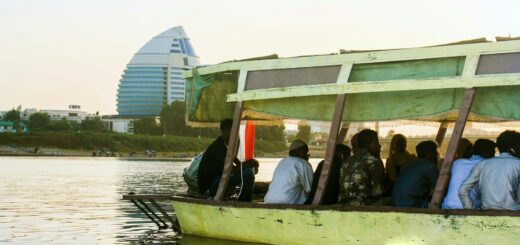
Felucca sailing on the Nile is an unmissable experience. Negotiate prices firmly before boarding. Never board alone at night. Organize through reputable hotels or official docks.
4.4 Buses
Go Bus, Blue Bus, and GoBus companies operate comfortable intercity coaches. Generally safe. Microbuses (shared minivans) are cheap but chaotic and not recommended for tourists with luggage.
4.5 Road Safety
Egypt has one of the world’s worst road accident rates. Reckless driving, poor lane discipline, vehicles without functioning lights at night, and pedestrians crossing highways are all hazards. Never drive at night if avoidable. Seat belts are legally required.
5. Health & Medical Safety
5.1 Medical Facilities
Cairo has good private hospitals: As-Salam International Hospital, Cairo Medical Center, Dar Al Fouad. In resort towns, international hospitals cater to tourists. In Upper Egypt (Luxor, Aswan), facilities are adequate for routine care. Comprehensive travel insurance with evacuation coverage is essential.
5.2 Vaccinations
Recommended: Hepatitis A, Hepatitis B, Typhoid, Tetanus, routine vaccinations. Rabies vaccination for outdoor or animal-handling travelers. Meningitis recommended for some travelers. Egypt is at risk for Middle East Respiratory Syndrome (MERS-CoV) from camels — avoid close contact with camels and do not drink raw camel milk.
5.3 Water & Food — ‘Pharaoh’s Revenge’
Do NOT drink tap water in Egypt. Traveler’s diarrhea (‘Pharaoh’s Revenge’ or ‘Mummy’s Curse’) is among the most commonly reported tourist health complaints. Causes include contaminated water, food washed in tap water, and ice made from tap water. Drink only sealed bottled water. Order drinks without ice at less reputable establishments. Wash hands frequently. Carry oral rehydration salts.
5.4 Heat & Sun
Egyptian summer temperatures frequently exceed 45°C in Upper Egypt (Luxor, Aswan). Heat stroke is a genuine risk. Plan outdoor site visits for early morning (7–10am). Hydrate constantly. Wear a hat, sunscreen, and light, loose, long-sleeved clothing (which also helps with cultural respect and insect protection).
5.5 Schistosomiasis
Do not swim in the Nile or irrigation canals. Schistosomiasis (bilharzia) — a waterborne parasitic infection — is present in Nile waters. The Red Sea and Mediterranean are safe for swimming in clean areas.
6. Natural Hazards
6.1 Desert Hazards
The Egyptian desert presents extreme heat, sandstorms, and the risk of getting lost. Never venture into desert areas alone or without a guide, adequate water (4–6 liters per day minimum), navigation equipment, and communication devices. Khamsin sandstorms (spring season) can be extreme in visibility and respiratory impact.
6.2 Diving Hazards at the Blue Hole (Dahab)
The Blue Hole in Dahab is one of the world’s most beautiful but also most deadly diving sites. Dozens of experienced divers have died attempting the ‘Arch’ deep passage. Never attempt this dive unless you are an advanced technical diver with specific training. Free-diving to depth at the Blue Hole has killed many experienced free-divers.
6.3 Ocean Hazards
Stingrays are common on Red Sea beaches — shuffle your feet when entering the water. Lionfish and stonefish carry venomous spines. Never touch coral — it is protected and may harbor hazardous marine life. Strong currents near drop-offs and channels require attention even for strong swimmers.
7. Common Scams Targeting Tourists in Egypt
Egypt has one of the most sophisticated and well-documented tourist scam ecosystems in the world. The following scams are reported constantly at major sites:
7.1 At the Pyramids & Major Sites
| Scam Name | How It Works | How to Avoid It |
| Free Camel Ride | Man offers a ‘complimentary’ camel or horse ride for a photo. Once mounted, the price suddenly becomes hundreds of dollars, and dismounting is blocked until you pay. | Firmly decline all free rides. If you want a camel ride, negotiate the full price (there and back, including tip) BEFORE mounting. |
| Official Guide Impersonator | Someone in a uniform-like outfit claims to be an ‘official’ guide at the ticket gate and begins leading you on a ‘free’ tour. Large payment demanded at end. | Official guides do not approach tourists uninvited. Buy tickets only at the ETPA kiosk. Arrange guides through your hotel. |
| ‘The Pyramid Is Closed Today’ | Someone tells you the pyramid/site you want to visit is closed or has a special entrance, and directs you elsewhere. | Ignore claims about site closures from strangers. Verify with official staff only. |
| Papyrus Shop Scam | A friendly local says he will show you a ‘family papyrus workshop’. This is a commercial shop offering commissions to guides. Papyrus is often synthetic banana leaf. | If you want papyrus, buy only from reputable stores with ISO certification. Genuine papyrus paper has a distinctive texture and flexibility test. |
| Carpet Shop Invitation | Tourists are invited for tea and then subjected to high-pressure carpet sales tactics. Some tourists report being locked in or intimidated. | Decline all shop invitations from street touts. If you enter a shop voluntarily, you can always leave. |
| The Photo Scam | A man in pharaonic costume approaches for a photo. Refuses to let you move until paid an outrageous amount. | Agree on price before any posed photographs with costumed individuals. |
7.2 Transportation Scams
| Scam Name | How It Works | How to Avoid It |
| Taxi Overcharge from Airport | Drivers quote one price and charge another on arrival, or take very long routes. | Use Uber or Careem from Cairo Airport. If using a taxi, agree on fare BEFORE departing. White metered taxis are safer. |
| Felucca Price Change | Captain agrees to one price before departure, demands more or refuses to dock until more is paid. | Negotiate and confirm price in writing if possible. Use feluccas organized through reputable hotels. |
| Fake Station Helper | At Luxor or Aswan train stations, a man rushes to help with your luggage and steers you toward his ‘cousin’s’ hotel or calèche, demanding large payment. | Handle your own luggage. Agree on calèche (horse-drawn carriage) prices upfront. |
7.3 Money Scams
| Scam Name | How It Works | How to Avoid It |
| Currency Confusion | Vendors quote prices in ambiguous amounts — ‘only 50’ which could mean 50 LE (~$1.50) or $50 USD. Demand is made for the larger amount. | Always clarify: ‘Fifty Egyptian Pounds (LE)?’ Confirm currency explicitly before any transaction. |
| Short Change | Cashiers give change for a smaller bill than you presented. | Always count change immediately. Use smaller bills when possible. |
| ATM Scams | ATMs operated by unofficial companies charge excessive fees or have skimming devices. | Use ATMs inside banks (Banque Misr, National Bank of Egypt, CIB). Avoid standalone ATMs in tourist areas. |
| ‘Official’ Exchange Offices | Non-bank exchange offices offer attractive rates but employ sleight of hand. | Exchange at banks or hotel exchange desks only. |
7.4 Harassment & Social Scams
| Scam Name | How It Works | How to Avoid It |
| The Rose Scam | A child or man presses a flower or gift into your hands and then demands payment. Very hard to give back. | Never accept anything from strangers. Say ‘La, shukran’ (no thank you) firmly. |
| False Friendship | A man befriends a tourist, offers to show them around, takes them to shops earning commission, then requests a large ‘gift for my family’. | Politely decline the company of strangers who approach you near tourist sites. |
| Mosque Entry Fee | A man claims there is an entry fee to a mosque that is actually free. | Mosques in Egypt are generally free to enter. Check before paying anyone. |
| Sexual Harassment | Verbal and sometimes physical harassment, particularly of solo female travelers. | Dress conservatively. Walk confidently. Respond clearly but firmly. Tell harassers ‘Haraam alayk’ (shame on you) or seek help from official police. Stay in well-lit, populated areas. |
8. Legal Considerations for Tourists
- Photography Restrictions: Photography is restricted at military sites, police stations, bridges, the Suez Canal, and some government buildings. Always check before photographing. Strictly prohibited: photographing military personnel.
- Alcohol: Alcohol is available in hotels, licensed restaurants, and some shops in tourist areas. Public drunkenness is culturally offensive. Alcohol is not available near mosques or in conservative areas.
- Drug Laws: Drug possession carries extremely severe penalties in Egypt, including the death penalty for trafficking.
- Registration: Egypt requires registration of foreign nationals staying more than 30 days. Hotels register guests automatically — if staying privately, register with local police.
- Antiquities Export: Export of antiques, archaeological artifacts, or items over 100 years old is illegal and carries severe penalties. Only purchase souvenirs from reputable shops with government certification.
- LGBTQ+ Laws: Homosexuality is technically not illegal but LGBTQ+ individuals face severe social and legal risks under ‘debauchery’ laws. Exercise extreme discretion.
- Drone Laws: Drone flights require a permit from the Civil Aviation Authority. Flying a drone without permission near archaeological sites or military areas can result in arrest.
9. Cultural Tips for Staying Safe
- Modest Dress: Egypt is a predominantly Muslim country. Dress modestly — cover shoulders and knees at mosques, markets, and outside resort areas. Women should carry a scarf for mosque visits.
- Mosques: Remove shoes when entering mosques. Follow all instructions from mosque staff.
- Ramadan: During Ramadan, eating, drinking, or smoking in public during daylight is deeply disrespectful. Many restaurants close during daylight hours. Adjust your schedule accordingly.
- Arabic Phrases: Egyptian Arabic: ‘Shukran’ (thank you), ‘La, shukran’ (no thank you), ‘Haraam’ (forbidden/shameful), ‘Imshi’ (go away). Even basic phrases open doors and disarm touts.
- Hospitality: Egyptians are famously warm and hospitable. Accepting tea when genuinely offered (not as a sales tactic) is a lovely cultural exchange.
- Bargaining: Bargaining is normal in souqs and markets (not in fixed-price shops or restaurants). Start at 25–30% of the initial asking price.
10. Emergency Contacts & Resources
| Service | Number / Details |
| Tourist Police | 126 |
| Police (Emergency) | 122 |
| Ambulance | 123 |
| Fire Service | 180 |
| As-Salam International Hospital Cairo (private) | +20 2 2524-0250 |
| Cairo Medical Center | +20 2 3762-8000 |
| Sharm el-Sheikh International Hospital | +20 69 366-1247 |
| US Embassy Cairo | +20 2 2797-3300 |
| UK Embassy Cairo | +20 2 2791-6000 |
| Canadian Embassy Cairo | +20 2 2461-2200 |
| Australian Embassy Cairo | +20 2 2770-6600 |
| Egypt Tourism Authority (ETA) | +20 2 2682-8000 |
| Careem Egypt (ride app) | app-based |
| Uber Egypt | app-based |
11. Quick Reference Safety Checklist
Before You Depart
- Check your government’s Egypt travel advisory (especially Sinai)
- Purchase travel insurance with medical evacuation
- Register your trip with your embassy
- Install Uber or Careem before arrival
- Download offline maps for Cairo, Luxor, and Aswan
- Research Pyramids entry procedure (official ETPA tickets only)
- Book overnight train tickets through Egyptian Railways or hotel
- Pack conservative clothing and a scarf for women
- Get Hepatitis A, Typhoid vaccinations if not current
- Pack rehydration salts for potential stomach illness
During Your Trip
- Use Uber/Careem for all Cairo transportation
- Buy tickets only at official ETPA kiosks at sites
- Firmly and politely decline ALL unsolicited offers from touts
- Never accept free rides, flowers, or gifts from strangers
- Do not drink tap water — bottled water only
- Visit major sites in early morning (7–10am) to beat heat and crowds
- Do not swim in the Nile or irrigation canals
- Leave all valuables in hotel safe
- Count change immediately after every transaction
- Do NOT travel to North Sinai under any circumstances
| ✔ Egypt — One of the World’s Greatest Adventures The Pyramids, the Nile, the temples, the Red Sea — Egypt delivers experiences that simply cannot be replicated anywhere else on Earth. Armed with the knowledge in this guide, the vast majority of tourists navigate Egypt’s rich but intense visitor experience with memories that last a lifetime. |