How to Stay Safe in Djibouti
1. Introduction
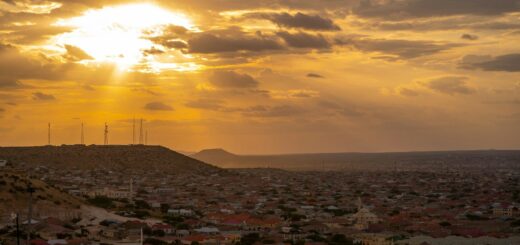
Djibouti is a tiny nation at the strategic Horn of Africa, flanking the Bab-el-Mandeb strait through which approximately 20% of global trade passes. Despite its small size, it punches above its weight geopolitically—hosting military bases from the US, France, China, Japan, and Italy, making it one of the most densely militarised pieces of real estate on Earth. This military presence contributes to a relatively stable security environment compared to its neighbours Somalia, Eritrea, and Ethiopia.
Djibouti has genuinely spectacular natural attractions: Lake Assal (the saltiest body of water in Africa, the lowest point in Africa), the Ardoukoba volcano, whale shark encounters in the Gulf of Tadjoura, and dramatic desert landscapes. The city of Djibouti has a unique blend of French colonial architecture and East African/Middle Eastern culture. Most Western governments rate Djibouti as ‘exercise a high degree of caution.’
| ⚠ Border Regions: The border areas with Eritrea (north) and Somalia (south) are off-limits to tourists due to military activity and instability. Stick to Djibouti city, Lake Assal, and Gulf of Tadjoura areas for tourism. |
2. Security Landscape
Djibouti city is generally safe by regional standards, benefiting from significant international military presence and a relatively professional security apparatus. Petty crime—pickpocketing and opportunistic theft—does occur, particularly around the markets (Marché Central) and the port area. Armed robbery is possible in some parts of the city at night. The Plateau du Serpent (diplomatic quarter) and European Quarter are safer residential areas.
Terrorism is a consideration given Djibouti’s proximity to Somalia and Al-Shabaab activity in the Horn. There have been past attacks; Western interests and places frequented by military personnel are higher-profile targets. Exercise vigilance at busy public venues, markets, and transport hubs.
| ⚠ Al-Shabaab Risk: Djibouti has been the target of Al-Shabaab attacks in the past (notably the 2014 La Chaumière restaurant bombing). Remain vigilant at restaurants, hotels, and public venues popular with Westerners. Vary your routines. |
3. Key Attractions & Safety
Lake Assal
Lake Assal is 155m below sea level—the lowest point in Africa and one of the saltiest water bodies on Earth. It is a spectacular day trip from Djibouti city (about 120km). The road is paved. Take ample water (minimum 3 litres), sunscreen, and sun protection—temperatures exceed 50°C in summer. No facilities at the lake itself. Go early morning to avoid the worst heat.
Whale Shark Snorkelling
The waters around Djibouti and the Gulf of Tadjoura are world-famous for whale shark encounters, particularly November–January. Several operators in Djibouti city offer boat trips. Choose operators with proper safety equipment, including life jackets and experienced guides. The experience is genuinely extraordinary and a highlight of any visit.
Gulf of Tadjoura & Day Forest
The town of Tadjoura on the northern shore of the gulf is accessible by ferry or road. The Day Forest (cloud forest) above Tadjoura is one of the last remaining forest areas in Djibouti and has unique biodiversity. Bring a guide—trails are not well-marked.
4. Transportation Safety
Djibouti city’s roads are reasonable in quality. Taxis are the primary transport and are numerous; negotiate fares as no metres exist. Minibuses (dabaab) are cheap but crowded. Car hire is available for excursions. A 4WD is recommended for Lake Assal and other desert excursions. Road quality deteriorates sharply outside the city.
The Addis Ababa–Djibouti Railway (opened 2017) connects Djibouti city to Addis Ababa—a modern, comfortable journey of approximately 12 hours through spectacular desert landscape. This is a genuinely enjoyable travel experience with reasonable safety standards. Djibouti–Ambouli International Airport connects to regional hubs and Paris/Istanbul.
| ✔ Extreme Heat Safety: Summer temperatures in Djibouti exceed 45°C (113°F). Plan outdoor activities for early morning only. Carry at least 3–4 litres of water for any excursion. Know the signs of heat stroke and heat exhaustion. Never leave water in a hot car—it becomes undrinkable. |
5. Health & Medical Safety
Malaria is present in Djibouti, particularly in areas near the coast and river systems. Yellow fever may be required depending on your origin country. Cholera, typhoid, and hepatitis are risks. Heat-related illness is a genuine danger—Djibouti is one of the hottest inhabited places on Earth year-round. Medical facilities in Djibouti city include Hôpital Général Peltier (public) and military medical facilities (limited access). Private clinics (Clinique Bouffard) provide better care. Serious cases are evacuated to Nairobi or Paris.
Khat (qat) is legal and very widely used in Djibouti—you will see men chewing it throughout the day. It is a mild stimulant. While legal locally, carrying it across international borders is illegal in most countries and at US/European military installations.
6. Common Scams & How to Avoid Them
| Scam Name | How It Works | How to Avoid It |
| Taxi Overcharging | Drivers charge tourist rates, especially near the port and airport. | Negotiate firmly before boarding. Ask hotel for standard fare estimates. |
| Market Overcharging | Central Marché vendors quote tourist prices for spices, textiles, and souvenirs. | Bargain firmly. Start at 30–40% of asking price. |
| Khat Seller Hassle | Vendors near markets aggressively push khat purchases and overcharge tourists. | Politely decline. Do not buy khat if you are military—it is prohibited on base. |
| Unofficial Tour Guides | Individuals near tourist sites offer guide services without credentials then demand large fees. | Book guides through your hotel or official tourism contacts. |
| Currency Confusion | Djiboutian franc (DJF) is unfamiliar—changers exploit tourist confusion. | Familiarise yourself with DJF denominations. Exchange at official banks only. |
| Fake Police Stop | Individuals claiming to be police demand documents and payments. | Request official ID and badge. Ask to proceed to the nearest police station. Call embassy if in doubt. |
7. Legal & Cultural Considerations
Djibouti is a majority Muslim country. Alcohol is sold in international hotels and some bars but is expensive. During Ramadan, eat and drink only in private or specifically designated areas. Dress modestly in the city—women should cover shoulders and knees; the beach resort and hotel areas are more relaxed. Homosexuality is not explicitly criminalised but is socially unacceptable; LGBTQ+ tourists should exercise strong discretion.
Photography of military installations (which are numerous given the base presence), the presidential palace, police, and infrastructure is strictly prohibited. Given the density of military activity, be very careful about what you photograph. Always ask permission before photographing individuals.
8. Emergency Contacts
| Service | Number / Info |
| Police Emergency | 17 |
| Fire Brigade | 18 |
| Hôpital Général Peltier | +253 21 35 15 31 |
| Clinique Bouffard | +253 21 35 28 36 |
| French Embassy Djibouti | +253 21 35 28 03 |
| US Embassy Djibouti | +253 21 45 30 00 |
9. Pre-Departure Safety Checklist
- Check travel advisory and terrorism risk assessment
- Obtain required vaccinations including Yellow Fever (check requirement)
- Begin antimalarials
- Purchase travel insurance with evacuation coverage
- Book accommodation in advance—options are limited
- Plan all outdoor activities for early morning only (heat management)
- Carry minimum 3–4 litres water for any outdoor excursion
- Arrange airport pickup through your hotel
- Download offline maps for Djibouti city and Lake Assal route
- Avoid photographing anything military-related