How to Stay Safe in Cyprus
Introduction
Cyprus, the third-largest island in the Mediterranean, offers visitors a unique combination of ancient history, sun-drenched beaches, rugged mountain scenery, and a living multicultural heritage that reflects thousands of years of civilisations — Mycenaean Greeks, Phoenicians, Romans, Byzantines, Crusaders, Venetians, and Ottomans all left their mark. The Republic of Cyprus in the south is an EU member state, offering the attractions of Nicosia (Lefkosia) — the world’s last divided capital — the ancient city-kingdoms of Paphos (UNESCO-listed) and Salamis, and the Troodos Mountains with their Byzantine monastery frescoes.
Cyprus is generally a safe and family-friendly destination. The island benefits from EU membership, a well-developed tourist infrastructure, and professional law enforcement. The most significant structural reality a visitor must understand is the division of the island: the northern third is administered by the Turkish Republic of Northern Cyprus (recognised only by Turkey), separated from the Republic of Cyprus by a UN-monitored buffer zone. Crossing between north and south is possible through designated checkpoints.
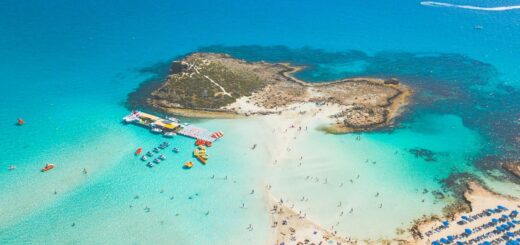
The main safety concerns for tourists in Cyprus relate to the nightlife resort areas (particularly Ayia Napa and Protaras in the east), where drink spiking, bar fraud, and excessive alcohol consumption create specific risks; marine safety hazards; and the extreme heat of the summer months.
General Safety Overview
Cyprus has low rates of violent crime compared to European averages. Street crime such as mugging is uncommon across the island. The most crime-affected tourist environments are the resort nightlife districts of Ayia Napa and to a lesser extent Protaras and Limassol’s entertainment strip. Drink spiking, sexual assault, and alcohol-related injury are the most serious risks in these environments.
The capital Nicosia, Paphos, and the mountain villages are generally very safe. The coastal resort areas of Limassol and Larnaca are moderate in terms of safety. Car theft and theft from vehicles are reported across the island; keep valuables out of sight in parked cars. The north of the island (TRNC) is generally safe for visitors who cross through designated checkpoints, but be aware of entry restrictions and the legal implications for your Republic of Cyprus-issued rental car insurance.
Personal Safety and Crime Prevention
In Ayia Napa and similar resort areas, the following risks are specific and significant: drink spiking (both drugging of drinks and consumption of excessively strong mixed drinks without clear alcohol disclosure); sexual assault, which occurs at higher rates than island averages in resort nightlife environments; and physical altercations among intoxicated tourists. Never leave your drink unattended, do not accept drinks from strangers, and look out for friends who appear unexpectedly intoxicated.
The extreme summer heat in Cyprus (temperatures regularly exceed 40°C inland in July–August) is a health hazard as much as a safety one. Heat exhaustion and heatstroke are real risks for tourists engaging in outdoor activities during peak heat hours. Drink plenty of water, stay in shade between noon and 4pm, and wear a hat and sunscreen.
- Never leave your drink unattended in bars or clubs.
- Accept drinks only from bar staff, not from strangers.
- Stay with friends in nightlife areas — do not let anyone become separated from the group.
- Apply SPF 50+ sunscreen and wear a hat; heat is extreme in summer.
- Keep valuables out of sight in parked cars.
- Swim only at beaches with lifeguard supervision and follow flag warnings.
Transportation Safety
Cyprus drives on the left, like the UK (a legacy of British administration). Roads are generally good. However, road fatality rates on Cyprus are above the EU average, with excessive speed and drink-driving being primary factors. Mountain roads in the Troodos can be narrow and winding. Winter road conditions in the mountains (snow is possible at altitude) require care.
Taxis are metered in Cyprus (though night rates differ from daytime rates). Taxi apps operate in the main cities. Car hire is the most convenient way to explore the island; ensure your rental insurance covers the full country. Note that Republic of Cyprus car rental insurance does not cover the north (TRNC) — you must purchase separate insurance at the checkpoint if crossing.
- Drive on the left — critical for visitors from mainland Europe.
- Check that your rental car insurance covers everywhere you plan to drive.
- Do not drink and drive — enforcement is increasing and penalties are severe.
- Mountain roads in Troodos: drive slowly and be prepared for unpredictable road conditions.
- Use metered taxis or Bolt for in-city travel.
Health and Medical Safety
Healthcare in Cyprus is of good European standard. EU citizens with an EHIC (or GHIC for UK citizens post-Brexit) are entitled to state healthcare in the Republic of Cyprus. Nicosia, Limassol, and Larnaca have well-equipped general hospitals. Travel insurance is recommended for all visitors to cover costs not covered under the state system.
Tap water is safe to drink in Cyprus in most areas, though the taste can be affected by the high mineral content of local groundwater; bottled water is widely preferred. Jellyfish (the Portuguese man o’ war is occasionally present) can cause painful stings; check local beach reports during late summer. Sea urchins on rocky coasts require water shoes.
- Carry EHIC/GHIC (EU/UK citizens) or comprehensive travel insurance.
- Drink bottled water if you prefer a milder taste.
- Wear reef shoes on rocky coasts.
- Stay out of direct sun between noon and 4pm in summer.
- High-factor sunscreen is essential; burns on Cypriot beaches can be severe.
Natural Hazards
Cyprus experiences minor earthquakes periodically; the island sits on the Cyprus Arc fault zone. Strong earthquakes are infrequent but have occurred historically. The island also experiences intense summer heat and drought, creating conditions for wildfires, particularly in the Troodos Mountains and dry scrubland areas. Follow all fire warnings and evacuation guidance.
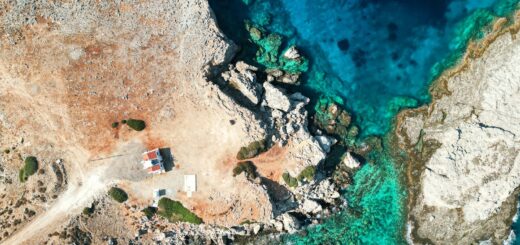
Sea conditions around Cyprus can be more challenging than the generally calm-looking Mediterranean suggests. Sudden wave activity, particularly at cliff-base photo spots on the south coast (Aphrodite’s Rock area, Cape Greco), has resulted in tourist fatalities. Never stand on low rocks at the sea’s edge for photographs — rogue waves are a documented and fatal hazard.
Digital and Financial Safety
Cyprus uses the euro. Card payments are widely accepted. ATMs are plentiful. Standard ATM safety precautions apply. Mobile coverage is good across the island, including mountain areas. UK visitors should note that post-Brexit roaming charges may apply on UK SIM cards; purchasing a local Cypriot SIM (CYTA, MTN Cyprus) is cost-effective.
- The euro is the currency; card payments are universally accepted.
- UK visitors: check roaming charges on your UK SIM before relying on it.
- ATMs inside bank branches are safest.
Common Tourist Scams and How to Avoid Them
Cyprus has a moderate level of tourist-oriented scams, concentrated in the resort areas. The following are the most commonly reported.
Rental Car Damage Disputes
Car rental companies, particularly smaller local firms, are known to dispute damage claims on returned vehicles, charging tourists for pre-existing scratches or dents. This is one of the most commonly reported tourist grievances in Cyprus.
How to Avoid: Rent from well-reviewed companies. Before driving away, conduct a thorough video walk-around and ensure all pre-existing damage is documented on the rental agreement. Retain the documentation until your deposit is fully refunded.
Drink Spiking in Ayia Napa Clubs
Drink spiking — the addition of sedative or intoxicating substances to drinks without the victim’s knowledge — has been reported in Ayia Napa’s nightclubs. Victims may not realise what has happened until they become severely incapacitated.
How to Avoid: Never leave your drink unattended; cover drinks with your hand if you stop drinking temporarily. Do not accept drinks from strangers. If you or a friend feels unexpectedly or excessively intoxicated, move to a safe location with trusted companions, seek medical assistance if necessary, and report the incident to police (199).
Nightclub “Guest List” and Entry Scam
Promoters near Ayia Napa club areas invite tourists to join a “guest list” promising free or discounted entry to specific clubs. Upon arrival, the promise evaporates and tourists are charged full entry or pressured to purchase expensive table packages.
How to Avoid: Treat all offers of free entry, guest lists, or special deals from street promoters with scepticism. If a deal seems too good, it usually involves hidden charges. Book any planned nightclub visits through official club channels or reputable hotel concierge services.
Jet Ski and Water Sport Rental Damage Claims
Jet ski and water sport rental operators in resort areas have been reported to charge tourists for damage to equipment that was pre-existing or minimal, presenting bills for hundreds of euros after the activity.
How to Avoid: Before renting any water sports equipment, inspect it thoroughly and document existing damage. Use only licensed, well-reviewed operators. Confirm what your travel insurance covers for sports activities before engaging in them.
Tourist-Trap Restaurant Overcharging
In the main tourist waterfront areas of Limassol (the old port and marina), Paphos harbour, and Ayia Napa, some restaurants display low entry prices and then add expensive “cover charges,” service fees, or bill items not ordered.
How to Avoid: Walk one street back from the waterfront for better value. Check that a price list is displayed at the entrance. Review bills carefully before paying and question any unrecognised item.
Cultural Awareness and Etiquette
Cypriot culture blends Greek Orthodox heritage with a genuine Levantine warmth and a historically diverse multicultural character. Dress modestly when visiting churches and monasteries — shorts and sleeveless tops are not permitted inside most religious sites. The Orthodox Church is a major cultural institution in Cyprus, and religious sites deserve respectful behaviour.
The political division of Cyprus is a sensitive topic. Many Greek Cypriots lost homes and property in the north in 1974 and retain deep feelings about the division. Visitors should approach this topic with appropriate sensitivity. Crossing to the north is possible but some businesses and services in the Republic of Cyprus are not available in the north.
- Dress modestly at churches, monasteries, and religious sites.
- Approach the topic of the 1974 division with sensitivity.
- Eating and socialising outdoors, particularly in summer evenings, is central to Cypriot culture.
- Tipping 10% in restaurants is standard.
Emergency Contacts
| Service | Number |
| Police | 199 |
| Ambulance | 199 |
| Fire | 199 |
| General Emergency | 112 |
Note: In Cyprus, 199 connects to all emergency services (police, ambulance, fire). 112 also works as the EU general emergency number.