How to Stay Safe in Comoros
1. Introduction
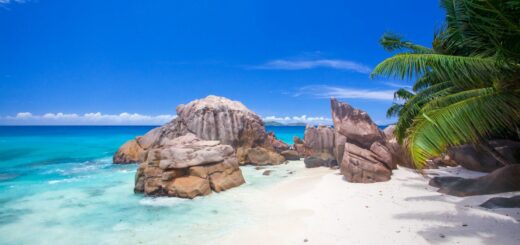
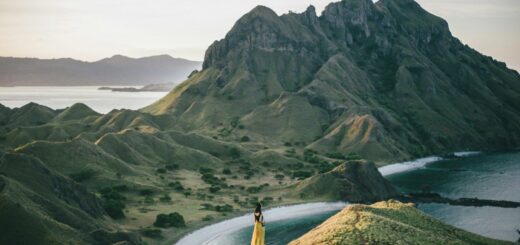
The Union of the Comoros is a small archipelago nation in the Indian Ocean between Madagascar and the East African coast, consisting of three main islands: Grande Comore (Ngazidja), Anjouan (Nzwani), and Mohéli (Mwali). A fourth island, Mayotte, is administered by France. The islands are of volcanic origin, with the active Mount Karthala (2,361m) on Grande Comore being one of the world’s largest active volcanoes. The Comoros has remarkable marine biodiversity—coelacanths (prehistoric ‘living fossil’ fish) are found here—and beautiful beaches.
The Comoros is one of the world’s poorest and most politically unstable nations, having experienced more than 20 coups or coup attempts since independence from France in 1975—more per capita than any other country. Most Western governments advise ‘exercise a high degree of caution.’ Despite the political volatility, tourist-directed crime is relatively low, and the islands have a quiet, off-the-beaten-path appeal.
| ✔ Peaceful in Practice: Despite its political volatility, the Comoros is generally peaceful at the street level for tourists. Coups here tend to be political elite affairs rather than widespread civil violence. Normal security precautions apply for day-to-day movement. |
2. Security Landscape
Crime against tourists is not high by regional standards—petty theft and opportunistic behaviour are the main concerns. Moroni, the capital on Grande Comore, is quiet and small. The risk of political instability triggering rapid curfews or disruptions is real, however—have an exit plan if the situation deteriorates. Inter-island tensions (particularly Anjouan has periodically sought independence) can create brief security uncertainties.
The main security threat to tourists is natural rather than criminal: active volcanism (Karthala has erupted multiple times since 2000), tropical cyclones (November–April cyclone season), and strong ocean currents. Emergency infrastructure is minimal throughout the islands.
| ⚠ Volcanic Activity: Mount Karthala is active and has erupted as recently as 2007. Before climbing or visiting the crater area, check current volcanic activity status with local authorities. Ash falls and gas emissions can occur without full eruption. |
3. Inter-Island Travel & Transportation
Getting between the Comoros islands requires either small domestic aircraft (operated by Comoros Aviation and others—safety standards are variable) or inter-island ferries. The ferries are frequently overcrowded and have had multiple fatal accidents—several boats have capsized. The Anjouan–Grande Comore crossing is particularly known for rough conditions. Exercise extreme caution regarding vessel condition before boarding any boat.
Within Grande Comore, taxis and shared minibuses are the primary transport. Roads are in generally poor condition outside Moroni. Night driving is not recommended. The international airport (Prince Said Ibrahim International) connects to Addis Ababa, Nairobi, and regional hubs. Air travel between islands is far safer than ferry travel.
| ⚠ Ferry Safety: Inter-island ferries in the Comoros have a poor safety record. Inspect vessel condition before boarding. Do not travel in overloaded boats. The dry season (May–October) has calmer sea conditions than the cyclone season. |
4. Health & Medical Safety
Malaria is endemic in the Comoros—antimalarials are essential. Yellow fever vaccination may be required depending on your origin country; check before travel. Dengue fever, typhoid, cholera, and hepatitis are present. Medical facilities are very limited—Moroni’s El-Maarouf Hospital is the main facility but is severely under-resourced. Serious illness requires evacuation to Mayotte (French territory, better medical facilities) or mainland Africa. Medical evacuation insurance is strongly recommended.
Water safety is a significant concern—tap water is not potable. Use only bottled or treated water. The Comoros has significant freshwater challenges. Food hygiene in Moroni restaurants is generally adequate; exercise caution with street food.
5. Common Scams & How to Avoid Them
| Scam Name | How It Works | How to Avoid It |
| Taxi Overcharging | Drivers quote tourist prices, especially near the airport and port. No metres exist. | Ask your hotel for standard fare estimates. Negotiate firmly before boarding. |
| Currency Shortchanging | The Comorian franc (KMF) is unfamiliar to tourists—changers exploit confusion. | Familiarise yourself with banknotes before travel. Exchange at banks or hotels only. |
| Boat Tour Overcharging | Boat operators for snorkelling, diving, or whale shark trips quote inflated prices. | Compare quotes from at least three operators. Book through your hotel or verified dive centres. |
| Unofficial Karthala Guides | Individuals near the Karthala trail offer guide services without official credentials. | Book guides through the Moroni tourism office or your hotel. Agree fees before departure. |
| Souvenir Price Inflation | Market vendors at the Stone Town market in Moroni quote tourist prices. | Bargain respectfully. Research local craft prices in advance. |
| Accommodation Bait-and-Switch | Touts at port claim your hotel is full and redirect to inferior alternatives. | Book all accommodation before arrival and confirm with the property directly. |
6. Legal & Cultural Considerations
The Comoros is a Muslim nation—Islam is integral to daily life and the constitution defines the country as an Islamic republic. Dress modestly at all times outside beach resort areas: women should cover shoulders and knees; men should not go shirtless in towns. During Ramadan, eating, drinking, or smoking in public during daylight hours is disrespectful. Alcohol is technically prohibited (though available in some tourist-oriented venues). Friday is the holy day.
Homosexuality is illegal in the Comoros. LGBTQ+ tourists must exercise extreme discretion. Photography of government buildings, the Presidential Palace, and military installations is prohibited. Always ask permission before photographing individuals, particularly women.
| ✔ Arabic and Shikomori: French and Arabic are official languages; Shikomori (a Bantu-Arabic hybrid) is the vernacular. French is widely understood in towns. A few words of Arabic (Shukran = thank you, As-salamu alaykum = peace be upon you) are warmly received. |
7. Emergency Contacts
| Service | Number / Info |
| Police | +269 773 0303 |
| Fire Brigade | +269 773 0707 |
| El-Maarouf Hospital Moroni | +269 773 2604 |
| French Embassy Moroni | +269 773 0553 |
| US Embassy (Antananarivo handles Comoros) | +261 20 23 480 00 |
8. Pre-Departure Safety Checklist
- Check current volcanic activity status for Karthala
- Check your government’s travel advisory
- Obtain required vaccinations (check Yellow Fever requirement for your origin)
- Begin antimalarials before departure
- Purchase travel insurance with medical evacuation coverage
- Book inter-island flights—not ferries—where possible
- Carry small KMF denominations for daily purchases
- Pack modest clothing for towns and mosques
- Download offline maps—internet connectivity is limited outside Moroni
- Research cyclone season dates if travelling November–April