How to Stay Safe in Bosnia and Herzegovina
Introduction
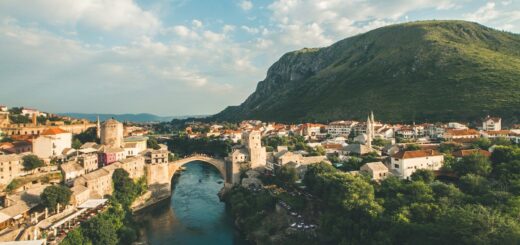
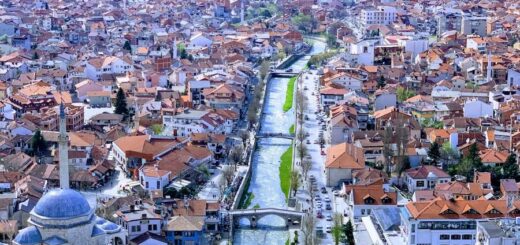
Bosnia and Herzegovina (BiH) is a country of extraordinary beauty, complex history, and genuine warmth toward visitors. Sarajevo, the capital — often called the “Jerusalem of Europe” for its multi-faith heritage — is a city of extraordinary architectural layering: Ottoman bazaars, Austro-Hungarian boulevards, Yugoslav-era modernism, and the scars and new monuments of the 1992–1995 siege that must be confronted honestly. Beyond Sarajevo, Mostar’s Ottoman bridge (Stari Most, UNESCO-listed), the waterfalls of Kravica and Blagaj, the medieval necropolis of Radimlja, and vast mountain wildernesses offer visitors scenes of breathtaking natural and historical richness.
Bosnia and Herzegovina is undergoing a gradual tourism renaissance, with increasing visitor numbers drawn by its authenticity, affordability, and extraordinary food culture (cevapi, burek, pita) built on Ottoman culinary traditions. The people are remarkably welcoming to visitors — Bosnian hospitality (particularly in receiving guests for coffee) is legendary. Most tourists have a safe and moving experience.
However, Bosnia and Herzegovina carries specific and serious safety risks that every visitor must understand. Most critically: landmines from the 1992–1995 war remain in many rural and forested areas of the country and continue to kill and injure people decades later. This is not a theoretical risk — it is a live one that requires concrete behavioural adjustments.
General Safety Overview
Bosnia and Herzegovina is generally safe in urban areas including Sarajevo, Mostar, Banja Luka, and Tuzla. Violent crime against tourists is uncommon. Petty crime (pickpocketing, bag snatching) occurs at low to moderate levels in tourist areas of Sarajevo’s old bazaar district (Baščaršija) and in Mostar near the old bridge. Overall, the threat of conventional street crime is lower than in many Western European capitals.
The most serious safety risk — which cannot be overstated — is landmine contamination. Bosnia and Herzegovina has one of the highest concentrations of landmines and unexploded ordnance (UXO) remaining in Europe, a direct legacy of the 1992–1995 Bosnian War. The Bosnia and Herzegovina Mine Action Centre (BHMAC) estimates that approximately 1,000 square kilometres of territory remains contaminated. Rural areas, forested hillsides, abandoned buildings, and unmarked tracks must be approached with extreme caution.
Political tensions between the country’s two administrative entities (the Federation of Bosnia and Herzegovina and Republika Srpska) periodically escalate, particularly around election periods. These tensions have not translated into direct violence affecting tourists but could theoretically affect travel conditions. Monitor news for any escalation.
Personal Safety and Crime Prevention
In Sarajevo, be alert to pickpocketing in the Baščaršija bazaar, particularly in the covered market sections and during crowded tourist events. The area around the main bus and tram stations warrants caution after dark. Mostar’s old bridge area is very crowded in summer and attracts petty opportunistic theft.
The absolute rule in Bosnia and Herzegovina is: stay on paved roads and well-established paths at all times. Never enter abandoned buildings, stray into unmarked forest paths, step over fallen-down walls, or explore off-track in rural or forest areas without verified landmine clearance certification for that specific area. Mines can be present in areas that appear completely normal and unthreatening.
- CRITICAL: Stay on paved roads and marked paths at all times in rural areas.
- Never enter abandoned buildings or stray from established tourist trails.
- Do not pick up any unknown metal objects found on the ground.
- Look for the red triangle warning signs indicating mine-contaminated areas — heed them.
- Keep valuables secured in Baščaršija and other crowded tourist areas.
- Avoid being drawn into political arguments about the war or entity politics.
Transportation Safety
Roads in Bosnia and Herzegovina vary enormously in quality. The main highway corridors (including the Corridor Vc running from the Croatian border to Sarajevo and toward Tuzla) are of good quality. However, many secondary and mountain roads are narrow, poorly surfaced, unmarked, and without safety barriers. Mountain driving requires experience, care, and appropriate vehicle preparation. Drive with particular care in winter when snow and ice make mountain passes extremely hazardous.
Public transport consists of buses (intercity) and trams and buses (within Sarajevo). Taxis in Sarajevo should be metered; unlicensed taxis overcharging tourists is a known problem, particularly at the airport and outside hotels. Booking taxis through hotel reception, using Radio Taxi (033-663-555 in Sarajevo), or negotiating a fare before entering any taxi will protect against overcharging.
- Stay on main roads; avoid off-road driving in rural areas due to landmine risk.
- Use metered taxis or hotel-booked taxis in Sarajevo.
- Agree on a fare before entering any street taxi.
- Drive slowly and carefully on mountain secondary roads.
- Check weather and road conditions before mountain driving in autumn and winter.
Health and Medical Safety
Healthcare in Bosnia and Herzegovina is basic in comparison to Western European standards. Sarajevo has the best medical facilities in the country; outside the capital, care is limited. The Clinical Centre of the University of Sarajevo is the main referral hospital. Comprehensive travel insurance including medical evacuation is strongly recommended.
Tap water in Sarajevo is generally safe to drink — the city’s water supply comes from mountain springs and is known for its quality. In other cities and rural areas, it is safer to use bottled water. Food safety at well-reviewed restaurants is generally good. The traditional café culture (Bosnian coffee, served thick in a džezva) is a highlight of any visit.
- Purchase comprehensive travel insurance with medical evacuation cover.
- Carry any prescription medications you require — supply may be limited.
- Tap water in Sarajevo is safe; use bottled water in rural areas.
- The Red Cross in Sarajevo can provide emergency assistance.
Natural Hazards
Bosnia and Herzegovina has a diverse geography that produces several natural hazard types. The mountain ranges (Dinaric Alps) see heavy snowfall in winter, making some passes inaccessible and creating avalanche risk in backcountry areas. The Una, Neretva, and Bosna rivers can experience significant flooding during spring snowmelt and after heavy autumn rainfall.
The country is a hiking and nature destination of great appeal, with the Sutjeska National Park (home to the last primeval forest in Europe, Perućica) and the Neretva Canyon among the highlights. Hiking in these areas requires proper equipment and navigation skills, and trails are not always well-marked by Western standards. Always carry water, a map, and inform someone of your planned route.
Digital and Financial Safety
The currency is the Bosnian Convertible Mark (BAM or KM), which is pegged to the euro at a fixed rate of approximately 1.96 KM to 1 EUR. Euros are widely accepted in tourist areas but change may be given in KM. Cash is important — many smaller establishments, rural guesthouses, and market vendors do not accept cards. ATMs are available in all cities; use those in bank branches.
Mobile coverage is adequate in urban areas and along main roads but limited in remote mountain areas. Local SIM cards (BH Telecom, m:tel) are affordable. Internet is available in hotels and cafes; free Wi-Fi is common in Sarajevo cafes.
- Carry sufficient KM cash for smaller towns and rural areas.
- Exchange currency at official banks or exchange offices — not on the street.
- ATMs in bank branches are safest; shield your PIN.
- Download offline maps before travelling to remote mountain areas.
Common Tourist Scams and How to Avoid Them
Bosnia and Herzegovina has relatively few organised tourist scams compared to more heavily visited European destinations. However, a number of practices have been reported by visitors.
Taxi Overcharging in Sarajevo
Taxis near Sarajevo International Airport and outside major hotels have been reported to charge tourists several times the legitimate fare, particularly those arriving without local knowledge of standard rates. The airport area is a particular hotspot.
How to Avoid: Book a taxi through your hotel or contact Radio Taxi (033-663-555) directly. Use the Halo Taksi app. If using a street taxi, ask whether the meter works and insist it is engaged, or negotiate and agree on a specific BAM price before getting in.
Fake War Memorabilia
In Sarajevo’s Baščaršija and tourist souvenir shops, items are sold as “authentic” war memorabilia — shell casings, military badges, and spent ammunition. Many of these are mass-produced replicas rather than genuine historical items, sold at premium prices.
How to Avoid: Purchase souvenirs and war memorabilia from reputable shops with clear provenance and fixed pricing. Do not expect significant monetary value from “antique” war items without independent verification of authenticity.
Unofficial Currency Exchange
Some individuals in tourist areas offer currency exchange at marginally better rates than official channels, then shortchange tourists using fast counting techniques or switched notes.
How to Avoid: Use official bank exchange offices or ATMs. Never exchange money with individuals on the street.
Restaurant Bill Inflation in Tourist Areas
Some restaurants in Baščaršija and near Mostar’s old bridge present bills with inflated prices or additional charges not reflected in the displayed menu prices.
How to Avoid: Check the menu with prices before sitting down. Review your bill carefully before paying and question any item you did not order or that does not match the menu price. Ask for a full itemised receipt.
Cultural Awareness and Etiquette
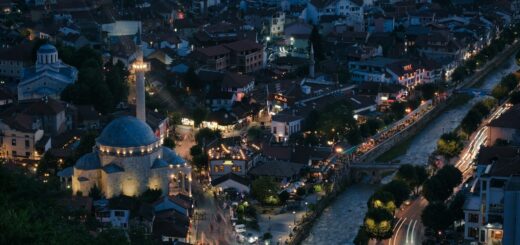
Bosnia and Herzegovina’s culture is a fascinating blend of Ottoman Islamic, Orthodox Christian (Serb), and Catholic (Croat) traditions. Sarajevo’s famously tolerant multi-faith tradition — where mosques, Orthodox churches, Catholic churches, and synagogues stand within steps of each other — is something to understand and respect. When visiting any religious site, dress modestly and behave quietly. The call to prayer from Sarajevo’s mosques is a fundamental part of the city’s soundscape and identity.
The war of 1992–1995 remains a deeply painful, present topic for Bosnians. Many residents of Sarajevo and Mostar experienced it personally. Visitors should approach the subject with sensitivity, humility, and a genuine desire to understand rather than to debate. The War Childhood Museum and the Tunnel Museum in Sarajevo are important and moving ways to engage with this history respectfully.
- Dress modestly when visiting mosques, Orthodox churches, and Catholic churches.
- Approach the subject of the 1992–1995 war with respect and genuine curiosity.
- Accept offered Bosnian coffee — it is a gesture of genuine hospitality.
- Tipping approximately 10% in restaurants is appreciated.
- Remove shoes when entering traditional homes if asked.
Emergency Contacts
| Service | Number |
| Police | 122 |
| Ambulance | 124 |
| Fire | 123 |
| General Emergency | 112 |
Note: Emergency services in Bosnia and Herzegovina may have limited English. Having your hotel address written in Bosnian can help. For mine/UXO emergencies, call 122 (police) and do not touch the object.