HOW TO STAY SAFE IN BENIN
1. Introduction & Country Overview
Benin is a small West African country tucked between Nigeria to the east, Togo to the west, Burkina Faso and Niger to the north, and the Bight of Benin to the south. It is the birthplace of Vodun (Voodoo), and is home to some of the most fascinating living cultural traditions in all of Africa. The royal palaces of Abomey (a UNESCO World Heritage Site), the unique stilt village of Ganvie on Lake Nokoue, the lively port city of Cotonou, the beach town of Grand Popo, and the wildlife of Pendjari National Park (one of West Africa’s best) make Benin a genuinely compelling, undervisited destination.
Benin is generally considered one of the more stable and democratic countries in West Africa. It has maintained multi-party elections and peaceful transfers of power. Crime in Cotonou is present but not extraordinary for a West African capital. The most significant safety concerns relate to terrorism risk in the northern regions bordering Burkina Faso, road safety, health hazards (particularly malaria), and petty crime in urban areas.
| ⚠ Northern Benin — Escalating Terrorism Risk The northern departments of Atacora and Alibori bordering Burkina Faso and Niger have seen a dramatic increase in jihadist activity since 2021, with attacks on villages, kidnappings, and the deaths of security forces and civilians. The departments near the W-Arly-Pendjari (WAP) complex have been affected. Many governments now advise against travel to northern Benin. Check current advisories before any visit to the north, including Pendjari National Park. |
2. Understanding the Security Landscape
2.1 Overall Assessment
Southern and central Benin remain relatively stable and safe for tourism, particularly around Cotonou, Porto-Novo, Ouidah, Abomey, Lake Nokoue, and the coast. The north has experienced a significant deterioration in security since 2021 due to the spillover of Sahelian jihadist groups (JNIM and ISWAP affiliates) from Burkina Faso and Niger.
2.2 Main Threats
- Northern Terrorism: Sahelian jihadist groups now active in Atacora and Alibori departments.
- Urban Theft: Petty theft (bag snatching, pickpocketing) in Cotonou markets and public spaces.
- Road Safety: One of Africa’s highest rates of road accidents. Major tourist risk.
- Malaria: Malaria is hyperendemic throughout Benin.
- Scams: Overcharging, unofficial tour fees, and harassment at tourist sites.
3. Key Destinations & Safety Profiles
3.1 Cotonou — The Economic Capital
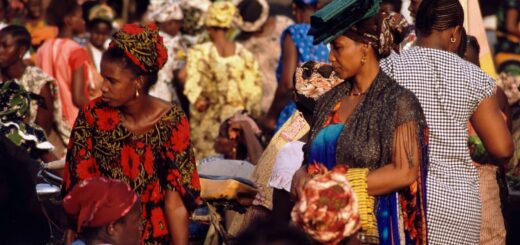
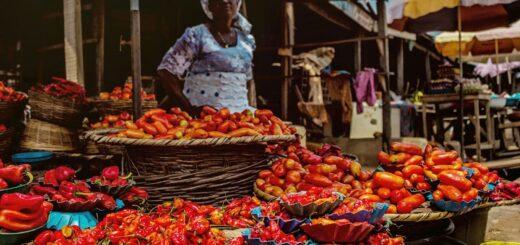
Cotonou is Benin’s largest city and economic hub. The Dantokpa Market is one of West Africa’s largest and most vibrant. Generally safe in commercial areas during daylight. Exercise caution near the port area and in crowded markets (pickpocket risk). Avoid walking alone at night in unfamiliar areas. Use hotel-recommended taxis.
3.2 Ouidah — The Voodoo Capital
Ouidah is the spiritual heart of Voodoo culture and one of the most important slave trade historical sites in Africa. The Route des Esclaves (Route of Slaves) leading to the Point of No Return memorial on the beach is profoundly moving. The annual Voodoo Festival (January 10) draws significant visitors. Ouidah is generally safe with standard precautions.
3.3 Abomey — Royal Palaces
Abomey was the capital of the powerful Kingdom of Dahomey. Its royal palaces are a UNESCO World Heritage Site and absolutely unmissable. A licensed guide is essential to fully understand the history. Generally safe for tourists.
3.4 Ganvie — The African Venice
The stilt village of Ganvie on Lake Nokoue houses 20,000+ people living entirely over water. One of Africa’s most remarkable sights. Boat tours from Abomey-Calavi. Generally safe — use organized tours. Negotiate boat prices carefully before departure.
3.5 Grand Popo & Ouidah Beach
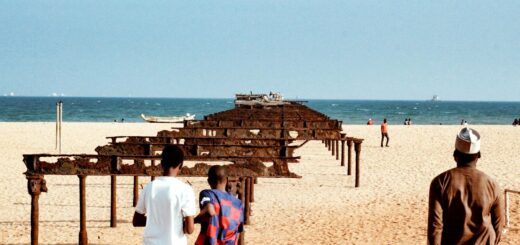
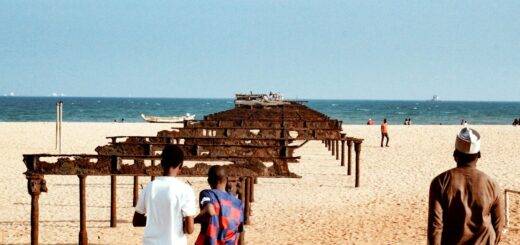
Relaxed beach destinations on the Bight of Benin. Popular with overland travelers and NGO workers. Generally safe. Ocean swimming can be dangerous — powerful currents and surf on this coast have claimed lives. Only swim at designated, supervised areas.
3.6 Pendjari National Park
| ⚠ Pendjari National Park — Check Current Status Pendjari is one of West Africa’s finest national parks (lions, elephants, hippopotami, buffalo) and was formerly a highlight of Benin travel. However, a kidnapping of tourists (two French tourists and their guide were killed/kidnapped in 2019) and subsequent jihadist activity in surrounding areas has made the park highly risky. All visits require current security assessment. As of 2025, multiple governments maintain warnings against northern Benin including the Pendjari area. Check your government’s advisory and park management status before any visit. |
3.7 Porto-Novo — The Official Capital
A relaxed, historic city with beautiful colonial architecture. Generally safe. Home to interesting museums and a vibrant fabric market.
4. Transportation Safety
4.1 Zemidjans (Motorcycle Taxis)
The primary mode of transport in Cotonou is the zemidjan (motorcycle taxi). They are cheap and ubiquitous but have a terrible safety record. Accidents are extremely common. If you use one: always insist on a helmet, hold on firmly, and keep bags close. Road accidents involving zemidjans are among the top tourist health risks in Benin. Consider renting a car with driver or using conventional taxis for longer distances.
4.2 Taxis
Shared taxis and private taxis operate in Cotonou. Negotiate fare before entering. No meters. Hotel-arranged taxis are more reliable. There are limited ride-hailing app options.
4.3 Intercity Travel
Bush taxis and minibuses connect cities and towns. Generally safe on major southern routes. Northern routes (Parakou northward) require current security assessment. Road travel at night anywhere in Benin is discouraged due to poor road conditions, unreliable vehicles, and security considerations.
4.4 Air Travel
Cadjehoun International Airport in Cotonou serves Benin. Several airlines including Air France, Ethiopian Airlines, and Royal Air Maroc connect Cotonou to international destinations. Internal flights are very limited.
5. Health & Medical Safety
5.1 Medical Facilities
Medical facilities in Benin are limited by international standards. The CNHU (National University Hospital) in Cotonou and Polyclinique Les Cocotiers are the best available. For serious conditions, medical evacuation to Accra, Dakar, or Paris is necessary. Medical evacuation insurance is essential.
5.2 Vaccinations
Required: Yellow Fever vaccination certificate. Strongly recommended: Meningococcal meningitis (CSP-A vaccine in particular — Benin is in the ‘meningitis belt’), Hepatitis A, Hepatitis B, Typhoid, Tetanus, Rabies (for extended travel). Polio booster if not current.
5.3 Malaria
Malaria is hyperendemic throughout Benin year-round. Anti-malarial prophylaxis (atovaquone/proguanil, mefloquine, or doxycycline — consult your doctor) is strongly recommended. Use DEET 40%+ insect repellent. Sleep under permethrin-treated bed nets. Wear long-sleeved clothing at dawn and dusk.
5.4 Water & Food
Do NOT drink tap water. Bottled water only. Water purification tablets for remote areas. Beninese cuisine is wonderful — akassa (fermented corn paste), amiwo, grilled fish, and fresh seafood. Eat at reputable establishments. Street food requires caution about hygiene.
5.5 Other Health Concerns
Typhoid fever, hepatitis A and E, schistosomiasis (in freshwater bodies), and cholera (particularly after flooding) are all present. Vaccinate against what you can; avoid swimming in freshwater lakes and rivers unless specifically cleared. Avoid contact with monkeys (Monkeypox risk).
6. Natural Hazards
6.1 Ocean Currents
The Bight of Benin has extremely powerful ocean currents and surf. Tourist drownings have occurred at beach destinations. Never swim alone. Only swim at supervised beaches. The local saying ‘Beware the Bight of Benin’ reflects centuries of maritime experience.
6.2 Flooding
Benin experiences heavy seasonal rainfall (April–July in the south, July–September in the north). Flooding affects roads, particularly dirt tracks in rural areas. Flood damage on the Cotonou-Porto Novo road has caused accidents.
6.3 Harmattan
The Harmattan (November–February) is a dry, dusty wind from the Sahara that reduces visibility and causes respiratory issues. Carry a face mask during Harmattan season.
7. Common Scams Targeting Tourists in Benin
| Scam Name | How It Works | How to Avoid It |
| Voodoo Ceremony Fee Scam | Unofficial ‘priests’ or guides near Ouidah or village temples charge excessive fees for access to ceremonies or sacred sites. | Engage licensed guides and clarify all fees before visiting. Genuine Voodoo communities are welcoming but deserve proper compensation — agree clearly. |
| Zemidjan Overcharge | Motorcycle taxi drivers quote far above the going rate to tourists. | Know the local rate (ask hotel staff). In Cotonou, short trips should cost 200–500 FCFA. |
| Ganvie Boat Overcharge | Boat operators at Abomey-Calavi inflate prices significantly for tourists. | Organize through your hotel or a registered tour operator. Compare prices at the official boat launch. |
| Unofficial Market ‘Guides’ | At Dantokpa Market, individuals offer guide services and lead tourists to vendors receiving commissions. | Explore freely with awareness. If you want a guide, use hotel recommendations. |
| Money Exchange Fraud | Unauthorized exchangers on the street. | Exchange only at banks (Ecobank, Bank of Africa). West African CFA Franc (XOF) is stable and widely used. |
| Fake Tour Operators | Individuals near Cotonou hotels sell tours to Pendjari or other sites without proper permits, vehicles, or safety provisions. | Use only established, licensed tour operators for northern destinations. |
| Airport Taxi Overcharge | Touts outside Cotonou airport demand 5–10x normal rates. | Agree on fare before entering. Alternatively, arrange hotel pickup. |
| NGO/Charity Scam | People claiming to represent orphanages or schools solicit tourist donations. | Only donate to verifiable organizations through official channels. |
| SIM Card Fraud | Unofficial sellers provide SIMs that quickly stop working or have been cloned. | Buy SIM cards from official MTN or Moov Africa stores only. |
8. Legal Considerations for Tourists
- Visa: Benin requires a visa for most nationalities. E-visas are available.
- Yellow Fever Certificate: Yellow Fever vaccination certificate is required for entry.
- Drug Laws: Drug possession is illegal with significant penalties.
- Photography Restrictions: Photography near government buildings, the presidential palace, and military installations is prohibited.
- Currency: Benin uses the West African CFA Franc (XOF), pegged to the Euro. Widely convertible.
- LGBTQ+: Homosexuality is not specifically criminalized in Benin (unlike many African countries) but is socially stigmatized. Discretion is advised.
- Religious Respect: Voodoo ceremonies are deeply sacred. Ask explicit permission before attending or photographing any ceremony.
9. Cultural Tips for Staying Safe
- Vodun Respect: Benin is the birthplace of Vodun (Voodoo). This is a living, sophisticated spiritual tradition — approach it with deep respect, not curiosity. Never photograph sacred objects or ceremonies without explicit, specific permission.
- Historical Sensitivity: The Kingdom of Dahomey’s history — including its role in the Atlantic slave trade — is a source of complex pride and pain. Approach this history with sensitivity.
- Language: French is the official language. Fon, Yoruba, and Bariba are among many local languages. Basic French is essential.
- Greetings: Greetings matter. Take time to greet people properly — a greeting without acknowledgment is rude in Beninese culture.
- Dress: Dress modestly outside of beach areas. Revealing clothing in villages or near religious sites is disrespectful.
- Hospitality: The Beninese are generally welcoming to tourists. Genuine curiosity and respect for local culture opens many doors.
10. Emergency Contacts & Resources
| Service | Number / Details |
| Police Emergency (Cotonou) | 117 |
| Fire Service | 118 |
| SAMU (Ambulance) | 118 |
| Polyclinique Les Cocotiers Cotonou (private) | +229 21 30 09 09 |
| CNHU Hospital Cotonou (public) | +229 21 30 01 55 |
| US Embassy Cotonou | +229 21 30 06 50 |
| French Embassy Cotonou | +229 21 30 02 25 |
| UK Honorary Consul Cotonou | +229 21 30 26 21 |
| MAEP (Tourism Ministry) | +229 21 30 84 48 |
| Ecobank Benin (for banking/emergency) | +229 21 31 40 23 |
11. Quick Reference Safety Checklist
Before You Depart
- Check government travel advisory for Benin — especially northern regions
- Get Yellow Fever vaccination certificate (required for entry)
- Get meningococcal meningitis vaccination
- Consult doctor about malaria prophylaxis
- Purchase comprehensive travel insurance with medical evacuation
- Register your trip with your embassy
- Pack DEET 40%+ insect repellent and permethrin-treated bed net
- Obtain Beninese e-visa before travel
- Download offline maps for Cotonou, Ouidah, Abomey
- Check current Pendjari National Park security status
During Your Trip
- Take malaria prophylaxis as prescribed and use repellent every day
- Do not swim in the ocean without supervision — powerful currents
- Use hotel-recommended taxis rather than street taxis
- If using zemidjan — always insist on a helmet
- Do not photograph sacred Voodoo sites without permission
- Exchange money only at banks
- Avoid northern departments without current professional security assessment