How to Stay Safe in Austria
Introduction
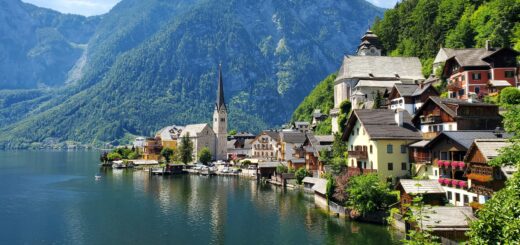
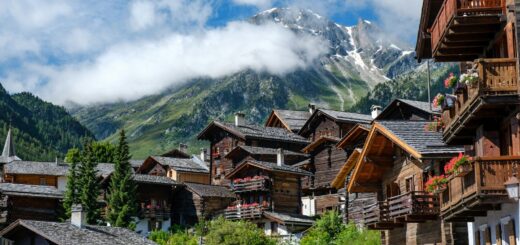
Austria is one of Europe’s most beloved travel destinations, offering an extraordinary blend of imperial grandeur, Alpine landscapes, world-class music culture, and culinary excellence. Vienna, the magnificent Hapsburg capital, is consistently ranked among the world’s most livable cities and draws visitors with its extraordinary museums, opera houses, coffee houses, and palace complexes. Beyond Vienna, Salzburg enchants with its Baroque architecture and connection to both Mozart and The Sound of Music, while the Austrian Alps offer some of the finest skiing in the world at resorts including Kitzbühel, St. Anton, Innsbruck, and Zell am See.
Austria is exceptionally safe by global standards. It regularly appears among the top ten safest countries in the world according to the Global Peace Index, and the incidence of violent crime against tourists is very low. Austrian infrastructure, healthcare, and public services are of the highest European standard. The risks tourists face are primarily limited to a small number of well-known petty scams in Vienna, alpine adventure sports hazards, and standard travel security considerations.
Austria is a member of the European Union and the Schengen Area. EU citizens travel without border controls, and citizens of many other nations enjoy visa-free access. This guide will help you navigate the minor safety considerations that exist so you can focus on enjoying everything this remarkable country has to offer.
General Safety Overview
Austria maintains very low levels of both violent crime and property crime. The Vienna metropolitan area — which attracts by far the most tourists — has a crime rate comparable to other safe Western European capitals, though with notably lower rates of violent crime. The Austrian police (Bundespolizei) are professional, well-resourced, and visible in tourist areas. The most common crimes affecting tourists are pickpocketing and petty theft, concentrated in specific Vienna locations.
The Vienna public transport network (U-Bahn, trams, and buses) is excellent but is a known target for organised pickpocket teams. The most affected routes are U-Bahn lines serving major tourist attractions: the U1 to the Prater, U4 to Schönbrunn, and U3 to the Westbahnhof. Crowded tram routes through the First District (Innere Stadt) during rush hour and tourist peak periods also see pickpocket activity.
Personal Safety and Crime Prevention
In Vienna, exercise heightened awareness in the following locations: Stephansplatz and the surrounding First District, the Naschmarkt (one of Europe’s great open-air markets), Prater park, Mariahilfer Strasse (the main shopping street), and all U-Bahn stations and trains, particularly during crowded periods. Pickpockets in Vienna are typically highly organised and professional, often working in groups; one member distracts while others work.
Anti-social behaviour and minor crime increase around the Gürtel (the outer ring road) nightlife area late at night, though serious incidents remain rare. The 10th, 15th, and 16th districts have slightly higher crime rates than the tourist-heavy inner districts but remain relatively safe. Vienna is generally excellent for solo travellers, including women, with very low rates of street harassment.
- Use a money belt or anti-theft bag in crowded tourist areas and on public transport.
- Keep your bag in front of you on U-Bahn trains and never put it on the floor.
- Secure your passport in your hotel safe; carry only a copy on day trips.
- Be particularly alert when maps or cameras distract your attention in crowded areas.
- Report any theft immediately to the nearest police station (Polizeiinspektion) for insurance purposes.
Transportation Safety
Austria’s transport infrastructure is excellent. The motorway network (Autobahn) is fast, well maintained, and safe. A motorway vignette (toll sticker) is required for driving on Austrian motorways — failure to display a valid vignette results in a significant fine. Vignettes are available at petrol stations, post offices, and at the border. Road conditions in the Alps require care in winter; snow chains are compulsory on some mountain roads and advisable on many others.
Vienna’s public transport system (Wiener Linien) is outstanding and covers the entire city comprehensively. All transport is clearly marked and easy to navigate. Validate your ticket before travelling — ticket inspectors conduct regular checks, and fines for travelling without a valid ticket are substantial. Taxis in Vienna are metered and regulated, making overcharging rare; Uber and Bolt also operate in the city.
- Purchase a motorway vignette before driving on Austrian motorways.
- Always validate public transport tickets before boarding.
- Carry snow chains or winter tyres when driving in the Alps between November and April.
- Taxis are metered in Vienna — no need to negotiate; ensure meter is running when you board.
- The ÖBB train network is punctual, safe, and recommended for intercity travel.
Health and Medical Safety
Austrian healthcare is of the highest standard in Europe. Both public and private hospitals are well-equipped, and there is a high density of general practitioners and specialists. EU citizens with a European Health Insurance Card (EHIC) are entitled to state healthcare on the same terms as Austrian citizens — keep your EHIC accessible at all times. Non-EU visitors should ensure they have comprehensive travel insurance covering medical treatment.
Tap water throughout Austria is excellent quality — clean, cold mountain spring water is what comes out of the tap in most Austrian cities and towns, and it is perfectly safe and genuinely delicious to drink. Food safety standards in Austria are very high. The main health risks are altitude-related (for mountain hikers) and sports injuries from skiing or other adventure activities.
- Carry your EHIC (EU citizens) or comprehensive travel insurance documentation.
- Tap water in Austria is safe and excellent to drink throughout the country.
- For skiing or adventure sports, ensure your travel insurance explicitly covers these activities.
- Altitude sickness is possible above 2,500 metres — acclimatise gradually.
Natural Hazards
The Austrian Alps present several natural hazards, particularly in winter. Avalanche risk is a serious concern for off-piste skiers and snowboarders; resorts post daily avalanche bulletins and these must be respected. Every year, people are killed by avalanches in the Alps, often in backcountry terrain. Carry an avalanche transceiver, probe, and shovel if venturing off-piste, and always ski with a companion.
In summer, Alpine hiking weather can change rapidly. Afternoon thunderstorms are common, particularly between June and August, and exposed ridges and summit areas become extremely dangerous in lightning conditions. Start long mountain hikes early, carry layers and waterproofs, and never continue toward a summit if you see storm clouds building.
Digital and Financial Safety
Austria uses the euro. Card payments are widely accepted in cities and tourist areas, though some smaller restaurants, markets, and rural businesses remain cash-only. ATMs (Bankomats) are plentiful and generally safe; use machines in bank branches or well-lit shopping areas and shield your PIN. ATM fraud is uncommon in Austria but not unknown.
Mobile and internet connectivity is excellent throughout Austria, with good 4G coverage even in many Alpine regions. Free Wi-Fi is available in most hotels, cafes, and increasingly at public locations. Austrian cybersecurity standards are high; standard precautions (using a VPN on public Wi-Fi for sensitive transactions) are advisable.
- Carry some cash for smaller establishments, markets, and rural areas.
- Use bank ATMs and shield your PIN as a matter of habit.
- Notify your bank before travel to avoid transaction blocks.
Common Tourist Scams and How to Avoid Them
Austria is not a country where tourists face aggressive or widespread scams. However, the following schemes specifically targeting visitors have been reported, primarily in Vienna.
Fake Petition / Deaf-Mute Scam
Groups of individuals, often claiming to be deaf, mute, or representatives of a charity, approach tourists with a clipboard and request signatures for a petition. Once signed, the tourist is pressured to donate money. The petitions are fraudulent and the money does not go to any legitimate charity. This scam is common near Stephansplatz and the First District.
How to Avoid: Politely but firmly decline to sign any unsolicited petition in tourist areas. Do not make eye contact if you do not wish to engage. Real charitable organisations in Austria are registered and do not solicit tourists aggressively in this manner.
Fake Police Officer Wallet Inspection
Individuals posing as plain-clothes police officers approach tourists, claim they are conducting a drug or counterfeit currency operation, and ask to inspect the tourist’s wallet. They then steal cash or note card numbers. This scam is rare in Austria but has been reported.
How to Avoid: Real Austrian police officers (Bundespolizei) carry official identification and are happy to be verified. Never hand your wallet to a plain-clothes individual claiming police authority. Ask to be taken to the nearest police station (Polizeiinspektion) or call 133 to verify.
Three-Card Monte and Shell Games
Street gambling games (Hütchenspiel — shell game) appear near Prater park and occasionally in tourist-heavy areas. The game is impossible to win as the operator uses sleight of hand. “Winners” in the crowd are typically accomplices drawing in real tourists.
How to Avoid: Never participate in street gambling games. Walk away immediately, as crowds around these games also attract pickpockets.
Overpriced Concert Ticket Touts
Vienna’s reputation for classical music attracts aggressive ticket touts near the Staatsoper, Musikverein, and Wiener Konzerthaus. Sellers in period costume (representing unofficial concert promoters) offer tickets at significantly inflated prices, often claiming official events are sold out.
How to Avoid: Purchase official tickets through the venues’ own box offices or authorised online ticketing platforms. Be aware that many “Mozart concerts” marketed heavily to tourists in hotels and tourist information stands are commercial entertainments aimed at visitors, not the premium classical events they sometimes imply.
Short-Changing in Busy Venues
In very busy cafes, bars, and tourist restaurants, particularly during peak season, some staff have been reported to return incorrect change — relying on the customer being distracted or unfamiliar with euro denominations.
How to Avoid: Always count your change before putting it away. Familiarise yourself with euro coins and notes. If you receive incorrect change, immediately and politely point it out before leaving the counter.
Unlicensed “Fiaker” (Horse Carriage) Price Disputes
Vienna’s iconic horse-drawn carriages (Fiakers) are a legitimate tourist attraction, but some unlicensed operators overcharge tourists or add unexpected fees after the ride. Official rides have published tariffs.
How to Avoid: Use only officially licensed Fiakers, which display regulated fares. Agree on the full price and route before beginning the ride. Official Fiaker ranks are located at Stephansplatz, the Albertina, and Heldenplatz.
Cultural Awareness and Etiquette
Austrian culture places considerable value on formality, punctuality, and courtesy. Greeting shopkeepers and restaurateurs with “Grüß Gott” (the Austrian form of hello) or “Guten Morgen/Tag/Abend” is standard practice and well received. Austrians tend to be more formal in initial interactions than some other nationalities and may seem reserved at first, but are genuinely warm once acquainted.
Dining etiquette involves waiting to be seated in restaurants rather than seating yourself. Tipping in Austria is appreciated: 5–10% is standard in restaurants, typically given directly to the server rather than left on the table. Public noise levels — particularly on public transport — are expected to be low; loud conversations or phone calls on U-Bahn trains are considered inconsiderate.
- Greet shopkeepers and service staff with “Grüß Gott” upon entering.
- Wait to be seated in restaurants; do not seat yourself uninvited.
- Tip 5–10% in restaurants; give the tip directly to the server.
- Keep voices low on public transport.
- Dress smartly if attending opera, concerts, or formal venues.
Emergency Contacts
| Service | Number |
| Police | 133 |
| Ambulance | 144 |
| Fire | 122 |
| General Emergency | 112 |
Note: Austria has excellent emergency services with English-speaking operators. 112 is the EU general emergency number and connects to all services.