How to Stay Safe in Albania
Introduction
Albania, situated along the Adriatic and Ionian coastlines of the Western Balkans, has transformed from one of Europe’s most isolated nations into a rapidly growing travel destination. Visitors are drawn by the dramatic Albanian Alps, pristine beaches of the Albanian Riviera, UNESCO-listed cities of Berat and Gjirokastër, and the ancient ruins of Butrint and Apollonia. The capital Tirana buzzes with colourful architecture, café culture, and a youthful creative energy that surprises most first-time visitors.
The Albanian people are renowned for their hospitality, rooted in the concept of “besa” — a sacred code of honour and care for guests. Most travellers have a safe and thoroughly enjoyable experience. That said, being informed about specific risks and scams will make your trip even smoother. Albania remains relatively undiscovered compared to neighbouring Croatia or Greece, which is both part of its charm and a reason to be well-prepared.
This guide covers personal safety, transport hazards, health considerations, natural risks, digital safety, common tourist scams, and cultural tips, providing everything you need to travel confidently in Albania.
General Safety Overview
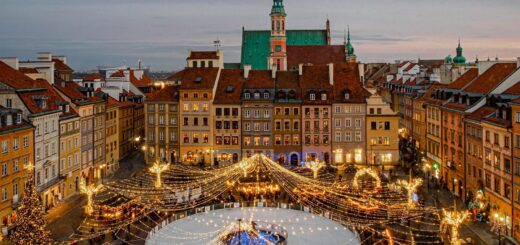
Albania is generally safe for tourists. Violent crime against foreigners is rare, and the overall crime rate has declined markedly since the turbulent post-communist 1990s. The US State Department and UK FCDO both classify Albania as a country requiring normal safety precautions, with heightened awareness recommended near isolated border regions. Tirana’s main tourist areas — the Blloku neighbourhood, Skanderbeg Square, and the New Bazaar — carry a moderate pickpocket risk in peak season.
The Albanian Riviera towns of Saranda, Himara, and Vlorë are popular with visitors and generally safe. Northern mountain destinations like Theth and Valbona are tranquil but have limited emergency infrastructure. Some very remote northern villages have historical ties to the Kanun — a traditional honour code that can involve blood feuds — but this virtually never affects foreign tourists.
Organised crime exists in Albania but does not typically affect visitors. Nightlife districts in Tirana and coastal resort towns warrant standard caution. Areas around Tirana’s main bus terminal (Zogu i Zi) see higher rates of petty crime and are best navigated with care.
Personal Safety and Crime Prevention
Be especially alert in crowded markets, ferry terminals, and public transport, where pickpockets typically work in pairs — one distracts while the other steals. Keep bags zipped and worn at your front in busy environments. Avoid keeping your wallet in a back trouser pocket. Occasional political demonstrations in Tirana can turn tense; if you encounter any large gathering, calmly leave and monitor local media.
Women travelling alone may receive unsolicited attention; maintaining confident body language and firmly ignoring unwanted overtures is the most effective response. LGBTQ+ travellers should exercise discretion outside Tirana’s more progressive areas, as social attitudes remain conservative in rural regions.
- Store your passport and extra cash in your hotel safe; carry only what you need daily.
- Use a concealed money belt or pouch for large sums of cash.
- Avoid displaying expensive cameras, jewellery, or smartphones in crowded public spaces.
- Do not walk alone after dark in unfamiliar neighbourhoods, particularly near the bus terminal area.
- Keep a certified photocopy of your passport separately from the original.
- Trust your instincts — exit any situation that feels unsafe or overly pressured.
Transportation Safety
Road safety is one of the most significant hazards in Albania. Driving habits are aggressive, traffic laws are routinely ignored, and road quality outside major highways can be very poor, with mountain roads that are unpaved, narrow, and lack guardrails. Livestock on roads are common at night and in rural areas. Albania has one of the higher road fatality rates in Europe.
In Tirana, the Bolt ride-hailing app provides transparent, pre-agreed fares and is far safer than hailing street taxis. Furgons (shared minivans) are the main intercity option — cheap and frequent, but often driven at excessive speed. International driving licences are required for rental vehicles; comprehensive insurance is essential.
- Always use Bolt for taxis in Tirana; avoid unmetered street taxis.
- Agree on a specific fare in Albanian lek before entering any street taxi.
- Avoid driving on mountain roads at night.
- Always wear your seatbelt — it is legally required.
- Fill your fuel tank before entering remote mountain areas; petrol stations are scarce.
Health and Medical Safety
Healthcare in Albania is improving but remains below Western European standards outside Tirana. Private hospitals in the capital (such as Hygeia) offer reasonable care with some English-speaking staff, but costs for uninsured visitors are high. Emergency response times in rural areas can be slow. Comprehensive travel insurance including medical evacuation cover is strongly recommended.
Tap water is not reliably safe to drink throughout most of Albania; bottled water is cheap and universally available. Food hygiene standards vary — choose busy, well-reviewed establishments. The intense summer heat along the coast poses real risk of dehydration and heat exhaustion for visitors unaccustomed to the Mediterranean climate.
- Drink bottled water throughout the country.
- Ensure travel insurance covers emergency medical evacuation.
- Carry an adequate supply of any prescription medications.
- Apply high-SPF sunscreen and drink plenty of water in summer.
- Carry a basic first-aid kit if hiking or visiting remote areas.
Natural Hazards
Albania sits in a seismically active zone. The November 2019 earthquake (magnitude 6.4) killed 51 people — a reminder that quakes are a genuine risk. Familiarise yourself with drop-cover-hold procedures and note emergency exits from your accommodation. Older stone buildings may be structurally vulnerable.
Mountain weather changes rapidly in the Accursed Mountains (Alpet Shqiptare). Trekkers in Theth and Valbona must carry layered clothing, inform someone of their route, and check local forecasts. Flash floods can occur in river valleys during heavy rain; river gorges should be avoided in storm conditions.
Digital and Financial Safety
Albania is primarily a cash economy; many smaller businesses do not accept cards. The Albanian lek (ALL) is the currency. Exchange money only at licensed exchange offices or bank ATMs — never on the street. ATM skimming has been reported; use machines inside bank branches and always shield your PIN.
Mobile data is reliable in cities and along main roads but patchy in the mountains. Local SIMs (Vodafone Albania, ONE) are cheap and easy to obtain. Avoid sensitive transactions on public Wi-Fi; use a VPN if needed.
- Carry enough cash when travelling to rural areas.
- Use bank-operated ATMs only; shield your PIN at all times.
- Never exchange currency with street vendors, regardless of the rate offered.
- Notify your bank before travel to prevent your card being blocked.
Common Tourist Scams and How to Avoid Them
While Albania is not as notorious for scams as some major European capitals, the following schemes target tourists, particularly at Tirana airport, on the coast, and in the capital’s tourist districts.
Unlicensed Taxi Overcharging
Drivers at Rinas Airport and outside major hotels quote fares three to five times the legitimate rate, or take unnecessarily long routes. Without a meter there is little recourse after the journey ends.
How to Avoid: Use the Bolt app — fares are transparent and agreed before you travel. At the airport, use only the official taxi desk inside arrivals or a hotel pre-booked transfer. If using a street taxi, agree on a specific lek amount before getting in.
Street Currency Exchange Fraud
Unofficial money changers near the Grand Bazaar use sleight of hand to return less money than agreed, slip in invalid old notes, or manipulate counts so quickly the tourist cannot follow.
How to Avoid: Exchange only at licensed exchange offices displaying official rates, or use bank ATMs. Count every note before leaving the counter. Never exchange money with individuals who approach you on the street.
Rental Car Damage Claims
Smaller, unregistered rental companies claim pre-existing damage on returned vehicles and present inflated repair bills, sometimes threatening to hold passports or security deposits until payment is made.
How to Avoid: Use reputable, reviewed rental companies. Photograph and video every panel before driving away. Ensure all damage is documented on the agreement, countersigned by a staff member. Never surrender your passport as a security deposit.
“Friendly Local” Restaurant Setup
An apparently helpful stranger enthusiastically recommends a nearby restaurant or bar. The establishment charges vastly inflated tourist prices or adds items not ordered to the bill. The “local” receives a commission.
How to Avoid: Choose restaurants independently using Google Maps or TripAdvisor reviews. Check the menu prices at the entrance before sitting down. Review the bill line by line before paying.
Fake Police Officers
Individuals posing as plain-clothes police claim the tourist is suspected of carrying counterfeit currency, then request to inspect their wallet — and steal cash or cards from it.
How to Avoid: Real officers carry official identification and typically wear uniforms. If someone claiming to be plain-clothes police demands your wallet, ask to be taken to the nearest police station. Call 129 or 112 if you feel threatened.
Unofficial Tourist Guides
At Butrint, Apollonia, Berat Castle, and Gjirokastër, unlicensed individuals offer guiding services then demand disproportionate payment, sometimes aggressively.
How to Avoid: Hire only guides through the site’s official ticket desk or your hotel. Agree on a specific total price in advance. Politely but firmly decline all unsolicited guide offers.
Non-Existent or Misrepresented Accommodation
During peak summer season on the Riviera, some properties overcharge foreigners significantly above listed rates, or confirm bookings for accommodation that does not exist as described upon arrival.
How to Avoid: Book only through established platforms (Booking.com, Airbnb). Print confirmation documents. Verify your booking directly with the property a few days before arrival. Have a backup option ready during July–August.
Cultural Awareness and Etiquette
Albanian culture places immense value on hospitality (mikpritja). Guests are treated with great respect, and you will likely be offered food or drink in people’s homes. Dress modestly when visiting mosques and Orthodox churches. Photography of military installations, police operations, and government buildings can attract unwanted official attention.
Note that in traditional contexts, some Albanians nod their head to mean “no” and shake it to mean “yes” — the opposite of Western convention. Younger, urban Albanians generally follow the Western norm, but in rural areas confusion can arise. Sensitivity around discussions of the communist era is warranted; many Albanians have deeply personal connections to this history.
- Cover shoulders and knees when entering religious sites.
- Ask permission before photographing people, especially in villages.
- Tip approximately 10% in restaurants and for good guide or taxi service.
- Avoid photography near border crossings, military sites, or government buildings.
Emergency Contacts
| Service | Number |
| Police | 129 |
| Ambulance | 127 |
| Fire | 128 |
| General Emergency | 112 |
Note: EU emergency number 112 works in Albania. English-speaking operators are not always available; having your hotel address written in Albanian can help emergency services locate you.