Do I need a visa for NAMIBIA?
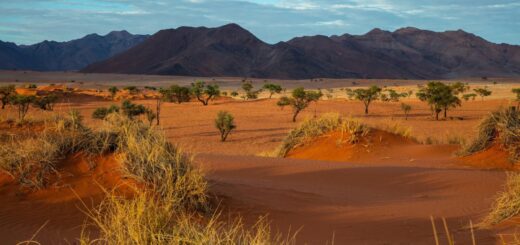
The Republic of Namibia is a sparsely populated country in southern Africa, known for its vast Namib Desert, diverse wildlife, and adventure tourism. Namibia’s visa policy is administered by the Ministry of Home Affairs, Immigration, Safety and Security. Namibia operates a three-tier entry system: visa-free for selected nationalities, visa on arrival for most other nationalities, and eVisa for online applications. A significant policy change took effect on 1 April 2025, when Namibia abolished visa-free entry for 33 previously exempt countries — including most EU states, Australia, the US, Canada, and the UK — citing lack of visa reciprocity. Those nationals now require a visa on arrival or eVisa.
2. Visa-Free Entry — Ordinary Passports
The following countries continue to enjoy visa-free entry to Namibia for up to 3 months per calendar year. Most are African neighbours and SADC member states, plus a small number of other countries with which Namibia maintains long-standing bilateral agreements.
| Visa-Free Entry — 3 Months per Calendar Year • Angola • Botswana (national ID card accepted — bilateral Feb 2023) • Brazil • Cuba • Eswatini (Swaziland) • Hong Kong (SAR) • Indonesia • Jamaica • Kenya • Lesotho • Macao (SAR) • Malawi • Malaysia • Mauritius • Mozambique • Russia • Seychelles • Singapore • South Africa • Tanzania • Zambia • Zimbabwe |
3. Botswana–Namibia National ID Agreement
As of February 2023, Botswana and Namibia have a bilateral agreement allowing citizens of both countries to cross into each other’s territory using only their national identity card, without requiring a passport. This simplifies travel for citizens of both neighbouring countries.
4. Non-Ordinary Passport Arrangements (Diplomatic/Service)
Approximately 43 African and European countries have bilateral agreements with Namibia granting visa-free access for holders of diplomatic and official/service passports. This covers most EU member states, African Union member states, and major partners.
| Diplomatic/Official Passport Visa-Free (Selected) • All European Union member states (diplomatic/service) • Most African Union member states (diplomatic/service) • United States (diplomatic/service) • United Kingdom (diplomatic/service) • Australia, Canada, Norway, Switzerland (diplomatic/service) |
5. Visa on Arrival — Major Policy Change (April 2025)
From 1 April 2025, Namibia ended visa-free access for 33 previously exempt countries, citing a lack of reciprocity in visa arrangements. Citizens of these countries — which previously entered visa-free — now require a visa on arrival or an eVisa.
| Key Countries Now Requiring VOA (Previously Visa-Free) • Austria, Belgium, Denmark, Finland, France, Germany • Greece, Ireland, Italy, Luxembourg, Netherlands • Norway, Portugal, Spain, Sweden, Switzerland • Australia, Canada, New Zealand, United Kingdom, United States • Czech Republic, Hungary, Poland, Romania, Bulgaria • Iceland, Japan, South Korea, Singapore (check current status) |
Visa on arrival is available at 13 designated ports of entry. The fee is NAD 1,600 for non-African nationals and NAD 1,200 for African nationals.
| Detail | Information |
| Fee (non-African nationals) | NAD 1,600 |
| Fee (African nationals) | NAD 1,200 |
| Duration granted | Up to 90 days |
| Number of VOA entry points | 13 designated ports |
| Payment | Cash or card at port of entry |
6. eVisa
Namibia offers an eVisa system for eligible nationalities, available through the Ministry of Home Affairs online portal. The eVisa grants the same entry rights as a visa on arrival and is recommended for travellers wishing to complete formalities before arrival to avoid queues at the border.
| eVisa Details • Same eligibility and cost as Visa on Arrival • Applied for online before travel • Valid for up to 90 days • Available for: Tourist, Business, Transit purposes • Processing: typically 5–10 business days |
7. Visa on Arrival — Entry Points
Visa on arrival is available at 13 designated ports of entry, including major international airports and key land border crossings with South Africa, Botswana, Zimbabwe, Zambia, and Angola.
| Key VOA Entry Points • Hosea Kutako International Airport (Windhoek) — main international airport • Walvis Bay Airport • Noordoewer (land border with South Africa) • Vioolsdrif (land border with South Africa) • Ngoma (land border with Botswana/Zimbabwe) • Kasane (Botswana connection) • Katima Mulilo (land border with Zambia/Zimbabwe) • Oshikango (land border with Angola) • + additional designated border posts |
8. Visitor Statistics
| Country of Origin | Arrivals (2023) | Notes |
| South Africa | 349,728 | Largest source market |
| Angola | 112,336 | Northern neighbour |
| Germany | 79,989 | Historical ties (former German colony) |
| Zimbabwe | ~50,000 est. | Regional travel |
| United Kingdom | ~40,000 est. | Wildlife tourism |
9. General Entry Requirements
| Standard Requirements for All Visitors • Passport valid for at least 6 months beyond intended stay • Sufficient blank pages for entry and exit stamps • Valid return or onward ticket • Proof of accommodation (hotel booking or invitation letter) • Proof of sufficient funds • Yellow fever vaccination certificate (if arriving from endemic country) |
10. Important Notes
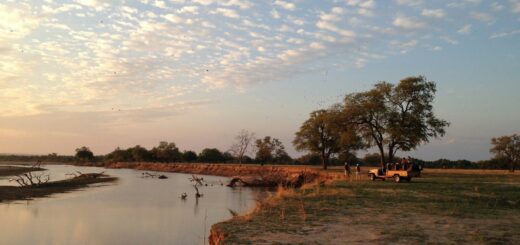
Namibia is generally considered safe for tourists and has a well-developed tourism infrastructure, including national parks such as Etosha, the Namib-Naukluft, and the Fish River Canyon. The April 2025 visa policy change was a significant shift and travellers from previously exempt countries should verify current requirements before travel. Namibia is one of the least densely populated countries in the world, and self-drive safaris are popular — adequate planning for remote travel is strongly recommended.