How to Stay Safe in Cameroon
1. Introduction
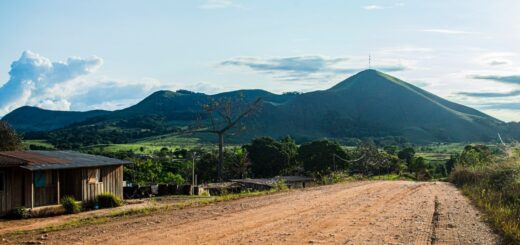
Cameroon is sometimes called ‘Africa in miniature’ because its geography, climate, cultures, and wildlife represent the full diversity of the continent in a single country: beaches in the south, rainforest in the centre and east, savannah highlands in the northwest, volcanic peaks (Mount Cameroon is the highest in West Africa at 4,040m), and semi-arid Sahel in the far north. Its wildlife is exceptional—lowland gorillas, forest elephants, chimpanzees, and hundreds of bird species.
However, Cameroon has significant security challenges across multiple regions. The far north faces a Boko Haram/ISWAP insurgency. The northwest and southwest English-speaking regions (‘Anglophone crisis’) have been in a low-grade civil conflict since 2017 between armed separatist groups (‘Ambazonians’) and the Cameroonian military. The east (borders with Central African Republic) is affected by cross-border instability. Only the south, Yaoundé, and Douala carry more manageable security ratings.
| ⚠ Multi-Region Crises: Cameroon has three distinct active security crises: Boko Haram in the Far North region, the Anglophone separatist conflict in Northwest and Southwest regions, and CAR cross-border instability in the East. Do not travel to these regions without specific operational need and professional security support. |
2. Security Landscape
The Far North Region (bordering Nigeria and Chad) has experienced regular Boko Haram attacks—bombings, kidnappings, and raids on villages. The Lake Chad area is particularly dangerous. Most Western governments rate the Far North as ‘do not travel.’ The Northwest and Southwest regions (Anglophone) have been in conflict since 2017 with kidnappings, ambushes, ghost town orders enforced by separatist groups, and attacks on schools and civilians. The East region borders CAR and has experienced armed incursions from CAR militias.
Yaoundé and Douala are more manageable but have significant urban crime—carjacking, robbery, and opportunistic theft are documented. Kribi (beach resort town) and the south generally are the most tourist-friendly parts of the country.
| ⚠ Anglophone Crisis (NW/SW): The Northwest and Southwest regions have experienced kidnappings of foreigners and aid workers, attacks on vehicles, and declared ‘ghost towns’ where all movement is prohibited by separatists on certain days. Do not travel here. |
| ⚠ Far North: Multiple kidnapping events targeting tourists and aid workers have occurred in the Far North. The area near Lake Chad and the Nigerian border is effectively a combat zone. Do not travel to the Far North region. |
3. Safe vs. Risky Areas
Relatively Safe
Yaoundé (southern districts, daytime): Government and diplomatic zone, manageable with precautions. Douala (Bonanjo, Akwa districts): Commercial hub, manageable in daytime. Kribi: Coastal resort town with beaches, manageable with normal precautions. Limbe (use with caution—proximity to Southwest crisis). Mount Cameroon (with guided expedition, currently accessible from Buea—check current conditions).
Do Not Travel
Far North Region (Boko Haram conflict). Northwest Region (Bamenda and environs—Anglophone crisis). Southwest Region (except possibly Limbe with caution). East Region (CAR border areas).
4. Transportation Safety
Roads in Cameroon are among the most dangerous in Africa. Road accidents are extremely common. Douala’s traffic is notoriously chaotic. Overcrowded minibuses (‘cars brousse’) are the primary intercity transport and frequently crash. For tourist travel, hire private vehicles through reputable companies or use domestic flights where available.
There are two rail lines—Douala to Yaoundé and Douala to N’Gaoundéré—that are slower but somewhat safer than road travel for these routes. Flying between Douala, Yaoundé, Garoua, and N’Gaoundéré is available with regional carriers. Night road travel is extremely dangerous and should be avoided.
| ⚠ Road Fatalities: Cameroon’s road fatality rate is extremely high. Never travel in obviously overloaded vehicles. Insist on seatbelts. Avoid night driving. Use professionally organised transport wherever possible. |
5. Health & Medical Safety
Malaria is endemic throughout Cameroon. Yellow fever vaccination is required. Other significant risks: typhoid, cholera, hepatitis A and B, meningitis, Lassa fever (in northern areas), sleeping sickness (trypanosomiasis) in forest areas, and schistosomiasis from freshwater contact. Do not swim in rivers or lakes.
Medical facilities are limited. Yaoundé (Hôpital Central, Clinique de l’Aéroport) and Douala (Hôpital Général, several private clinics) have the best options. Outside major cities, care is very basic. Medical evacuation insurance is essential for any serious condition. Carry a comprehensive personal medical kit.
| ⚠ Water Contact: Do not swim in or drink from rivers, lakes, or streams in Cameroon. Schistosomiasis (bilharzia) is widespread in freshwater environments. River blindness (onchocerciasis) is also present in some river areas. |
6. Common Scams & How to Avoid Them
| Scam Name | How It Works | How to Avoid It |
| Police / Gendarmerie Roadblock Bribes | Officers at frequent checkpoints demand payments for fabricated violations or document issues. | Have document photocopies ready. Stay calm. Ask for official receipt. Small payments are sometimes unavoidable but do not pay for clearly fabricated offences without at least requesting documentation. |
| Airport / Station Hustlers | Aggressive touts at Douala and Yaoundé airports and bus stations compete to carry bags and redirect tourists to overpriced services. | Arrange airport pickup through your hotel. Decline all unsolicited assistance. |
| Fake Wildlife Guide | Individuals near Waza National Park or other wildlife areas claim to be certified guides without authorisation. | Book guides only through official park gates or verified agencies. Require official ID. |
| Currency Exchange Fraud | Street changers quote good rates but shortchange or pass counterfeit bills. | Use bank ATMs or hotel exchange services exclusively. |
| Mineral/Gem Trading Scam | Someone claims to have diamonds, gold, or other minerals from Cameroon’s interior for sale at below-market prices. | This is illegal smuggling at best, fraud at worst. Walk away from all such offers. |
| Overpriced Market Goods | Markets in Yaoundé and Douala have tourist prices many times higher than local prices. | Research fair prices in advance. Bargain firmly. Start at 25–30% of the asking price. |
| Accommodation Bait-and-Switch | Agent claims a hotel is ‘full’ and redirects to an inferior alternative at higher price. | Book accommodation in advance through verified channels. Call ahead to confirm bookings. |
7. Legal Considerations
Cameroon is a bilingual country (French and English), though English speakers in the Anglophone regions feel their rights and language are suppressed—a root cause of the ongoing crisis. Homosexuality is illegal (up to 5 years imprisonment). Drug possession carries severe penalties. Photography of military, police, government buildings, and infrastructure is strictly prohibited and can lead to detention. This is strictly enforced.
| ⚠ Photography Warning: This is serious in Cameroon. Do not photograph anything that looks like infrastructure, military, or government without explicit permission. Cameras and phones have been confiscated and tourists detained for taking photos near bridges, government buildings, or police operations. |
8. Cultural Awareness
Cameroon is extraordinarily diverse—over 250 ethnic groups with distinct languages, traditions, and social structures. The north is predominantly Muslim; the south is predominantly Christian; indigenous religions are practised throughout. Respect for elders is paramount. Always greet before transacting. In traditional areas, asking to meet the village chief (lamido in the north) is a respected protocol.
| ✔ Bilingualism: If you speak French, use it in the south. If you speak English, you will find English speakers in the northwest and southwest (though travel there is currently not recommended). Mixing French and English (‘Camfranglais’) is a popular informal register with young people. |
9. Emergency Contacts
| Service | Number / Info |
| Police Emergency | 17 |
| Fire Brigade | 18 |
| Hôpital Central Yaoundé | +237 222 23 40 90 |
| Hôpital Général Douala | +237 233 42 49 90 |
| US Embassy Yaoundé | +237 222 20 15 00 |
| French Embassy Yaoundé | +237 222 23 00 16 |
| British High Commission Yaoundé | +237 222 22 05 45 |
10. Pre-Departure Safety Checklist
- Read the full regional breakdown in your government’s Cameroon travel advisory
- Confirm you are NOT planning travel to Far North, Northwest, or Southwest regions
- Obtain Yellow Fever vaccination certificate (strictly required)
- Begin antimalarials before departure
- Purchase comprehensive travel and evacuation insurance
- Book all accommodation and transport in advance through reputable channels
- Register with your embassy before travel
- Carry document photocopies—never originals at checkpoints
- Download offline maps for Yaoundé, Douala, and Kribi
- Pack a comprehensive medical kit including water purification
- Research current security conditions in your specific planned areas
- Avoid any photography near infrastructure, military, or government buildings