How to stay safe in Botswana
1. Introduction
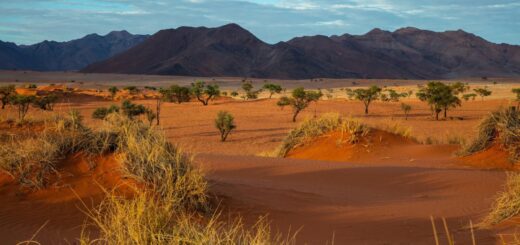
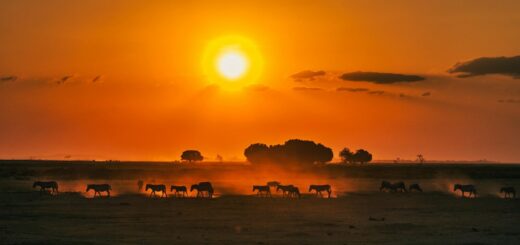
Botswana is one of Africa’s greatest safari success stories—a large, sparsely populated country in southern Africa that transformed from one of the world’s poorest at independence (1966) to a middle-income nation through responsible diamond revenues and outstanding conservation policy. Botswana has 38% of its territory designated as national parks or wildlife management areas—the highest proportion of any country in the world. The result is spectacular wildlife tourism with low tourist volumes (high-value, low-impact philosophy): Chobe National Park (the highest elephant density on Earth), the Okavango Delta (UNESCO), the Kalahari Desert, the Makgadikgadi Salt Pans, and Moremi Game Reserve.
Most Western governments rate Botswana as ‘exercise normal security precautions’—the same as a low-risk European destination. Crime levels are low by regional standards, the government is stable and democratic, and tourism infrastructure is well-developed. This is one of Africa’s safest and most rewarding destinations.
| ✔ Safari Style: Botswana pioneered the high-value, low-volume safari approach. Expect to pay more than in Kenya or Tanzania—but in return you get exclusive concessions, expert guides, and wildlife encounters without crowds. The dry season (May–October) is best for game viewing as animals concentrate around water sources. |
2. Security Landscape
Botswana has a very low crime rate. Gaborone (the capital) has petty crime—pickpocketing and bag snatching—particularly in the Main Mall area and around bus stations. Car break-ins in parking lots occur. Violent crime against tourists is rare. Francistown, the second city, has somewhat higher crime but remains manageable.
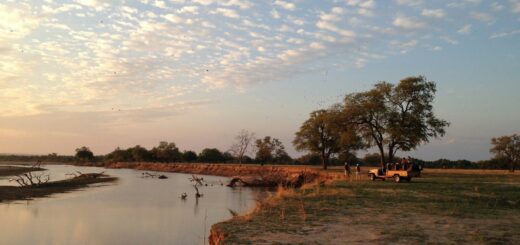
The wildlife areas are extremely safe from a crime perspective. The main risks in safari areas are wildlife-related: elephant encounters on camp perimeters, hippo paths to water, lion and leopard presence at night, and venomous snakes (black mamba, puff adder, spitting cobra). Follow all camp rules about night movement. Never walk between tents or to ablution blocks without an escort in unfenced camps.
| ⚠ Wildlife Safety: Unfenced safari camps in the Okavango Delta and Chobe are in genuine wilderness—lions, elephants, and hippos enter camps at night. Always use an escort after dark. Never approach wildlife on foot without a professional guide. Elephants cause more fatalities than any other animal in Botswana. |
3. Okavango Delta & Chobe
Okavango Delta
The Okavango is a unique inland delta in the Kalahari Desert—the world’s largest inland delta, flooding seasonally to create a waterworld of hippos, crocodiles, elephants, and extraordinary birdlife. Access is by mokoro (traditional dugout canoe) poled by local guides, or by small aircraft to remote camps. The flooding peaks in June–August (from Angolan rains)—the best time for mokoro travel.
Chobe National Park
Chobe has the highest concentration of elephants in Africa—up to 120,000 elephants in the Chobe River corridor. Game drives and boat cruises on the Chobe River are spectacular. The town of Kasane (park gateway) has all tourist facilities. From Kasane, it is 70km to Victoria Falls in Zimbabwe/Zambia—a popular add-on trip.
4. Transportation Safety
Botswana has good road infrastructure on main routes. The Trans-Kalahari Highway (Gaborone to Windhoek via Lobatse) and A1 (Gaborone to Francistown) are well-maintained. Roads in wildlife areas and remote Kalahari are sandy tracks requiring 4WD and significant off-road experience. Self-drive safaris are possible in Chobe and Moremi but require 4WD, recovery equipment, and local knowledge—not recommended for inexperienced off-roaders.
Air Botswana operates domestic routes. Small charter aircraft (Wilderness Air, Mack Air, Moremi Air) are the primary access to remote delta and wildlife camps. These small planes operate safely in good conditions but can be grounded by weather. Gaborone Sir Seretse Khama Airport connects to Johannesburg, Cape Town, Nairobi, and Addis Ababa.
| ✔ Bush Driving: If self-driving in the Kalahari or Okavango perimeter, always travel in two vehicles, carry extra fuel (long distances between fuel stations), and have GPS with offline maps loaded. Tell someone your route and expected return time. |
5. Health & Medical Safety
Malaria is present in northern Botswana (Okavango Delta, Chobe, Kasane area)—antimalarials are recommended for these areas. The south (Gaborone, Central Kalahari) is lower risk. Yellow fever vaccination is required if arriving from endemic countries. Typhoid and hepatitis vaccinations are recommended. Sunburn and dehydration are genuine risks in the Kalahari and open savannah.
Medical facilities in Gaborone (Princess Marina Hospital—public; several private clinics) are reasonable. In remote safari areas, the nearest hospital can be hours away. MARS (Medical Air Rescue Service) and other air evacuation services are used by lodges. Ensure your travel insurance covers medical evacuation. Lodges carry emergency first aid; serious cases require air evacuation.
6. Common Scams & How to Avoid Them
| Scam Name | How It Works | How to Avoid It |
| Gaborone Taxi Overcharging | Taxis in Gaborone charge tourist prices without metres. | Ask hotel for standard fare guidelines. Negotiate before boarding. |
| Gemstone Overpricing | Vendors claim to sell genuine Botswanan diamonds or other gems below market value. | Botswana diamond sales are strictly regulated. Any informal gem deal should be avoided entirely. |
| Safari Camp Misrepresentation | Lesser-known operators misrepresent camp quality online, with photos not matching reality. | Read TripAdvisor and Safari Bookings reviews. Use operators with verified track records. HATAB membership is a quality indicator. |
| Border Crossing Delays / Demands | Officials at the Kazungula border (Botswana/Zambia/Zimbabwe) create delays resolvable with payment. | Know official fees. Request official receipts. The new Kazungula Bridge has formalised the crossing. |
| Fake Craft Vendors | In Kasane and Maun, vendors sell imported mass-produced crafts as local handmade products. | Buy crafts from established cooperative shops with provenance information. Ask about the maker. |
7. Legal & Cultural Considerations
Botswana has no law explicitly criminalising homosexuality following a 2019 High Court ruling that decriminalised same-sex relationships. This was a landmark African ruling. LGBTQ+ tourists can be relatively open though public displays of affection may attract attention in conservative areas. Drug laws are strict. Wildlife laws are extremely strict—no collecting of any animal products. Rhino and elephant poaching carry severe penalties and Botswana has a shoot-on-sight anti-poaching policy for armed poachers.
| ✔ Tswana Culture: Botswana’s Tswana culture values ‘botho’—a concept of mutual respect, dignity, and Ubuntu-style community. Greetings are important: ‘Dumela rra’ (hello sir), ‘Dumela mma’ (hello madam). Take time to greet before transacting. |
8. Emergency Contacts
| Service | Number / Info |
| Police Emergency | 999 |
| Ambulance | 997 |
| Fire | 998 |
| Princess Marina Hospital Gaborone | +267 395 3221 |
| Gaborone Private Hospital | +267 390 1999 |
| US Embassy Gaborone | +267 373 2400 |
| British High Commission Gaborone | +267 395 2841 |
| MARS Air Rescue | +267 390 1601 |
9. Pre-Departure Safety Checklist
- Check travel advisory (likely ‘exercise normal precautions’)
- Get Yellow Fever vaccination if required
- Get antimalarials for northern areas (Okavango, Chobe)
- Purchase travel insurance with evacuation coverage
- Book safari through HATAB-accredited operator
- If self-driving remotely, plan fuel stops and inform someone of route
- Pack high-factor sunscreen and wide-brim hat for Kalahari
- Download offline maps for all planned routes
- Carry sufficient BWP (Pula) cash—ATMs in small towns may be unreliable
- Follow all camp rules about night movement—never leave without an escort in the bush