How to Stay Safe in Iceland
Introduction
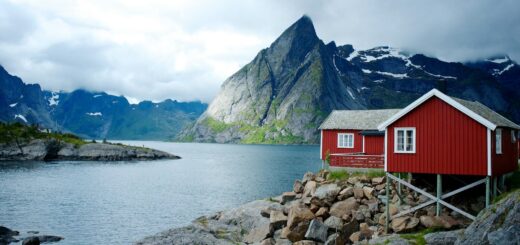
Iceland, the North Atlantic island nation straddling the Mid-Atlantic Ridge, is one of the world’s most geologically dramatic and visually extraordinary destinations. The country offers an unparalleled range of natural phenomena: the Northern Lights (Aurora Borealis) in winter, the Midnight Sun of the Arctic summer, massive glaciers (including Vatnajökull — Europe’s largest), powerful waterfalls (Gullfoss, Skógafoss, Seljalandsfoss), geothermal wonders (the Great Geysir, the Blue Lagoon), lava fields, black sand beaches, and volcanic landscapes found nowhere else on Earth.
Iceland is one of the safest countries in the world by virtually every measure — violent crime is extremely rare, corruption is minimal, and the political and social environment is extraordinarily stable. The country has topped the Global Peace Index more times than any other nation. However, Iceland’s natural environment is genuinely dangerous in specific circumstances, and the country’s dramatic landscapes have claimed tourist lives through preventable accidents. Understanding and respecting Iceland’s natural hazards is the most important safety consideration for any visitor.
Tourism has grown explosively in Iceland since approximately 2010 and the country now receives over 2 million visitors annually — extraordinary for a nation of just 370,000 people. This has led to challenges in managing visitor flow at the most popular sites and has generated a small but noteworthy commercial tourism sector with some specific visitor pitfalls.
General Safety Overview
Iceland’s crime statistics are among the lowest in the world. Pickpocketing is uncommon; violent crime against tourists is extremely rare. The police (Lögreglan) do not carry firearms as standard. The most meaningful safety risks in Iceland are environmental, not criminal: people die in Iceland from the natural environment, not from crime.
The specific natural hazards requiring respect are: unpredictable weather changes (Iceland’s weather can shift from sunshine to blizzard within minutes), rogue waves (sneaker waves) on black sand beaches particularly at Reynisfjara, volcanic activity (Iceland has active volcanoes including Fagradalsfjall and the Reykjanes volcanic system which has been erupting periodically since 2021), geothermal areas with superheated water and unstable ground, glaciers with hidden crevasses, and winter road conditions that can become impassable with no warning.
Personal Safety and Crime Prevention
Crime is not a meaningful threat for the vast majority of tourists in Iceland. Standard precautions — securing your car and accommodation, not leaving valuables visible in your rental vehicle in popular tourist parking areas (the Golden Circle, Jökulsárlón Glacier Lagoon) — are sufficient. Opportunistic theft from vehicles at popular trailheads has been reported but remains uncommon.
The overwhelming safety priority in Iceland is respecting natural hazard warnings. Do not approach the ocean at Reynisfjara Black Sand Beach except at designated safe spots — sneaker waves at this beach have killed multiple tourists. Do not venture onto glaciers without a certified guide. Do not leave marked paths in geothermal areas. Do not drive on F-roads (highland roads) without a suitable 4WD vehicle and local knowledge.
- CRITICAL: Never turn your back on the ocean at Reynisfjara Black Sand Beach — sneaker waves are lethal.
- Never drive on F-roads without appropriate 4WD vehicle and confirmed road-open status (vegagerdin.is).
- Never venture onto glaciers without a certified guide.
- Stay on marked paths in all geothermal areas — the ground can collapse into scalding water.
- Always check weather forecasts (vedur.is) before any outdoor activity and be prepared to cancel plans.
- Inform your accommodation of planned routes if hiking remotely.
Transportation Safety
Road safety is a critical issue in Iceland for tourists. The Ring Road (Route 1) encircling the island is paved and manageable in good conditions, but Icelandic weather can create black ice, white-out conditions, and road closures without warning. The highland F-roads are unpaved, river-crossed tracks accessible only to properly equipped 4WD vehicles during summer months — they are closed (often marked with a yellow X on road signs) in other seasons.
Single-lane bridges appear frequently on Icelandic roads — the rule is that the vehicle closer to the bridge has right of way. Sheep wander freely onto roads, particularly on rural routes. Wind can be strong enough to open car doors violently — always hold door handles firmly when opening in wind. River crossings on F-roads can be genuinely dangerous — assess depth and current before attempting.
- Check road conditions at vegagerdin.is before driving every day.
- F-roads require a genuine 4WD vehicle (not just AWD) — rental insurance typically does not cover F-road damage.
- Single-lane bridges: the nearest vehicle has right of way — approach slowly.
- Hold car doors firmly in wind to prevent them being torn off.
- Sheep on roads: drive slowly in rural areas, especially at dawn and dusk.
Health and Medical Safety
Icelandic healthcare is excellent. Landspítali National University Hospital in Reykjavík is the main hospital; regional hospitals serve other areas. Comprehensive travel insurance with medical evacuation is recommended, particularly given the potential for expensive helicopter mountain and glacier rescues.
The midnight sun (continuous daylight in summer) can severely disrupt sleep patterns and disorientation — bring a sleep mask and blackout curtains may not be available in all accommodation. Conversely, the polar night of midwinter (less than 5 hours of daylight in Reykjavík; zero in some conditions) can affect mood; plan indoor activities and embrace the cosiness of Icelandic café culture.
- Travel insurance with helicopter rescue cover is important for outdoor activities.
- Pack a sleep mask for summer visits — daylight is continuous around the solstice.
- The Blue Lagoon and other thermal pools: follow temperature and safety guidelines.
- Bring warm, waterproof clothing regardless of the season of visit.
Natural Hazards
Iceland is one of the world’s most volcanically active countries, sitting on the Mid-Atlantic Ridge. The Reykjanes Peninsula volcanic system has been erupting periodically since 2021, including eruptions near Grindavík town. The authorities manage access to eruption sites carefully; follow all exclusion zones and emergency evacuation orders immediately and without question.
Glaciers cover approximately 11% of Iceland and are genuinely hazardous: hidden crevasses can be concealed under snow bridges that appear solid. Never walk on a glacier without a certified mountain guide. Icelandic rivers, particularly during spring snowmelt, carry enormous volumes of fast, ice-cold water; river crossings should only be attempted with local expert knowledge.
Digital and Financial Safety
Iceland uses the Icelandic Króna (ISK). Card payments are virtually universal — Iceland is one of the most cashless societies in the world and you can often go days without needing cash. ATMs are available in Reykjavík and major towns; international cards are accepted. Iceland is expensive — among the most expensive countries in Europe for accommodation, dining, and activities. Budget carefully and book activities and accommodation well in advance.
- Card payments are universal; cash is largely unnecessary.
- Iceland is expensive — plan your budget accordingly and book ahead.
- Notify your bank before travel to prevent card blocks.
- Download the SafeTravel app (safetravel.is) for emergency services and travel registration.
Common Tourist Scams and How to Avoid Them
Iceland has very few tourist scams in the conventional sense. The main financial risks are commercial rather than criminal.
Overpriced or Misleading Tour Packages
Some tour operators significantly exaggerate the likelihood or quality of experiences — particularly Northern Lights tours, which cannot guarantee sightings as they depend entirely on weather and aurora activity. Tourists pay premium prices and may be deeply disappointed if clear expectations are not set.
How to Avoid: Book tours with reputable, well-reviewed operators. Understand clearly that Northern Lights sightings cannot be guaranteed and that cancellation policies should cover weather-related inability to run. Read all tour descriptions carefully and check recent reviews.
Rental Car GPS Errors and F-Road Damage
GPS mapping systems, including some rental car systems, sometimes route vehicles onto F-roads (highland roads closed to standard vehicles). Rental car insurance typically explicitly excludes damage sustained on F-roads, leaving tourists with repair bills of thousands of euros for damaged undercarriages, river-damaged engines, or stuck vehicles.
How to Avoid: Before any drive, check whether your route contains F-roads at road.is or safetravel.is. If your GPS suggests an F-road and you do not have appropriate insurance and vehicle, do not take it regardless of GPS instruction. Ask your rental company explicitly about F-road insurance status before accepting the vehicle.
Misleading “Budget” Accommodation
Some accommodation marketed as budget-friendly excludes clearly stated costs: mandatory linen fees, service charges, or “resort fees.” Some listings misrepresent the remoteness of locations, leaving tourists without transport connections they expected.
How to Avoid: Read all accommodation listings very carefully, including all listed fees. Verify the accommodation’s precise location in relation to Ring Road access and public transport before booking.
Unofficial Northern Lights “Guarantees”
Operators claiming to “guarantee” Northern Lights sightings or offer implausible promises about aurora activity are operating misleadingly — no reputable tour company can guarantee natural phenomena.
How to Avoid: Select operators who clearly state their refund or rebooking policy for nights when aurora activity or cloud cover makes viewing impossible. The aurora forecast is available at vedur.is.
Cultural Awareness and Etiquette
Icelandic culture is shaped by the island’s isolation, the Viking heritage, and the powerful presence of nature. Icelanders are direct, self-reliant, and practical. They have a strong sense of humour (often dry and understated) and a genuine pride in their extraordinary natural environment. They care deeply about conservation — visitors who visibly respect the landscape are welcomed; those who damage it (driving off designated roads, walking on fragile moss, leaving litter) are strongly condemned.
The “Everyman’s Right” concept does not exist in Iceland as in Scandinavia — private land requires permission to cross. The emphasis in Iceland is on respecting designated paths and areas. Icelandic moss (which covers vast lava fields in haunting beauty) takes centuries to grow and is destroyed by a single footstep off the path — this is taken very seriously.
- Stay strictly on marked paths — Icelandic moss takes centuries to regrow.
- Never drive off designated roads — it is illegal and causes severe environmental damage.
- Register your long-distance hiking or travel plans at safetravel.is.
- Do not approach or feed wildlife, including the Arctic terns that dive-bomb intruders near nesting areas.
Emergency Contacts
| Service | Number |
| Police | 112 |
| Ambulance | 112 |
| Fire | 112 |
| General Emergency | 112 |
Note: All emergency services in Iceland: dial 112. The ICE-SAR (Icelandic Association for Search and Rescue) also handles wilderness emergencies. Register travel plans at safetravel.is.