How to Stay Safe in Turkey
Introduction
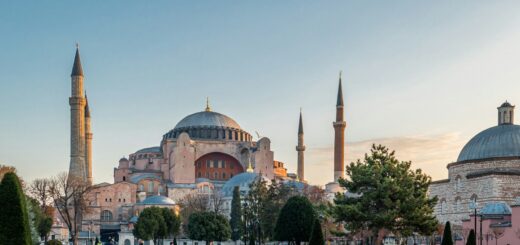
Turkey straddles two continents — Europe and Asia — and offers a uniquely rich blend of civilisations, landscapes, and experiences. Istanbul, the great imperial capital of Byzantine and Ottoman empires, is one of the world’s most extraordinary cities. Beyond it lie the fairy-chimneys of Cappadocia, the turquoise coast of the Aegean and Mediterranean, the ancient ruins of Ephesus, the otherworldly landscapes of Pamukkale, and the mountainous east.
Turkey is a complex destination from a safety perspective. The western and Aegean coastal regions that attract the majority of tourists are generally safe for visitors exercising standard precautions. However, areas in the east and southeast — particularly near the Syrian and Iraqi borders — carry significant safety risks unrelated to tourist crime. Tourists should research regional conditions carefully and follow their government’s current travel advisories.
General Safety Overview
In Istanbul, Ankara, Izmir, the Aegean coast (Bodrum, Fethiye, Ölüdeniz), and Cappadocia, the security situation for tourists is generally manageable with standard precautions. Tourist-targeted crime in these areas is predominantly opportunistic — pickpocketing, scams, and overcharging — rather than violent.
Areas near the Syrian border (Hatay, Gaziantep border zone), the southeastern provinces (Diyarbakır, Şırnak, Hakkari), and the far east near the Iraqi and Iranian borders carry elevated risks including PKK-related conflict, smuggling activity, and occasional armed incidents. Most government travel advisories advise against or warn of travel to these specific regions.
Personal Safety & Crime Prevention
In Istanbul, tourist-targeted crime is concentrated in Sultanahmet, around Topkapı Palace and the Blue Mosque, and on İstiklal Caddesi in Beyoğlu. Pickpocketing on the tram, at bazaars, and in crowded metro stations is common. Keep bags secure, be alert in crowds, and avoid displaying expensive jewellery.
Lone female travellers may experience persistent unsolicited attention and harassment in some areas — particularly in bazaars, Sultanahmet, and outside major transport hubs. Dressing modestly, walking confidently, and using taxis or apps rather than walking alone at night in unfamiliar areas reduces risk.
Transportation Safety
Istanbul has extensive public transport including metro, tram, ferry, and bus. Validate Istanbulkart (transport card) before travel — inspectors operate on all lines. Taxis in Istanbul are a major scam vector (see Scams section below). Uber operates in Istanbul but with variable availability due to regulatory conflicts.
Intercity buses in Turkey are generally comfortable and well-run. Domestic flights connect major tourist destinations efficiently. Road accidents are a significant risk — Turkey has a high road fatality rate. Avoid driving at night on rural roads and exercise defensive driving habits.
Health & Medical Safety
Private hospitals in Istanbul and major tourist centres (Memorial, Florence Nightingale, Medicana) provide very good care with English-speaking staff. State hospitals in tourist areas are serviceable but overcrowded. Comprehensive travel insurance with medical evacuation coverage is essential.
Hepatitis A vaccine is recommended. Rabies is present in Turkey — avoid contact with stray dogs and cats, which are numerous in Turkish cities. If bitten, seek medical attention immediately. Tap water in Istanbul and many cities is technically treated but locals and visitors generally drink bottled water.
Natural Hazards
Turkey lies in a highly seismically active zone. The devastating February 2023 Kahramanmaraş earthquakes killed more than 50,000 people, primarily in the southeast. Earthquakes can occur throughout Turkey, including Istanbul — familiarise yourself with earthquake safety procedures. Aftershocks in affected areas continued well into 2024.
Forest fires are a major summer risk along the Aegean and Mediterranean coasts — Bodrum, Marmaris, and Antalya provinces have experienced significant fires. Monitor regional fire warnings and follow evacuation orders promptly.
Digital & Financial Safety
Turkey uses the Turkish lira (TRY), which has experienced significant inflation and currency volatility in recent years. Exchange rates change quickly — use official exchange offices (döviz bürosu) or bank ATMs rather than hotel desks or market stalls for currency exchange. Some tourist areas price in US dollars or euros informally.
Card acceptance is widespread in tourist areas. ATM skimming has been reported in Istanbul and coastal resorts — use bank-affiliated machines. When using taxi meters, note that some modified meters run faster than permitted — use apps where possible and check the starting fare.
Common Tourist Scams
Istanbul Taxi Fraud
Istanbul taxi scams are numerous and sophisticated. Common variants include rigged meters that run at the higher nighttime rate during daytime; drivers claiming the credit card machine is broken and quoting inflated ‘standard’ fares; taking long routes; and giving change in old, worthless lira notes.
How to Avoid: Use the BiTaksi or iTaksi apps for metered taxis where the route and fare are visible. Alternatively use Uber where available. Always confirm the meter is on the correct rate (gündüz = day rate, gece = night rate, which is higher). Count change carefully.
Carpet & Handicraft Shop Sales Pressure
In Istanbul’s Grand Bazaar, Sultanahmet, and Cappadocia, highly persuasive carpet and handicraft sellers use sophisticated psychological techniques — free tea, storytelling, false friendship — to draw tourists into shops and subject them to hours of high-pressure sales that can result in purchases of overpriced or misrepresented items.
How to Avoid: Entering a carpet shop obliges you to nothing. Accepting tea is fine; you can still leave. Be prepared for persistence and practise saying ‘thank you, I’ll think about it’ without returning. If you do want to buy, research fair prices beforehand and expect to negotiate to 30–50% of the opening price.
Shoe-Shine Drop Scam
A shoe-shiner near Sultanahmet or Beyoğlu ‘accidentally’ drops his brush. A passerby picks it up and returns it; the shoe-shiner is so grateful he offers a ‘free’ shine. Once finished, he demands a large sum — sometimes aggressively.
How to Avoid: If a shoe-shiner drops his brush near you and a bystander encourages you to return it, do not do so. This is one of Istanbul’s oldest and most persistent tourist scams. Simply keep walking.
Restaurant ‘Friendly Local’ Redirect
A friendly local ‘coincidentally’ makes conversation, discovers you’re looking for a restaurant, and enthusiastically recommends a particular place — often a family member’s or friend’s venue with heavily inflated tourist prices.
How to Avoid: Choose restaurants based on hotel recommendations, reputable apps (TripAdvisor, Google Maps with local reviews), or by observing which places have local clientele rather than those suggested by strangers you just met.
Fake Blue Mosque Entrance Guidance
Outside the Blue Mosque (Sultanahmet Camii), individuals pose as ‘official’ guides who inform tourists the mosque is closed or that they must enter through a different entrance — then charge for guided entry or tours.
How to Avoid: The Blue Mosque entrance is free and well-signed. Check official opening hours online before visiting. Ignore any individual who tells you a major public monument is closed or requires a guide — proceed to the official entrance and verify yourself.
Bar & Nightclub Honey Trap
Particularly around Taksim and Beyoğlu, tourists (often solo male visitors) are befriended and invited to bars where they are charged thousands of lira for drinks and company, sometimes with an implied or explicit threat if they refuse to pay.
How to Avoid: Be cautious of anyone who strikes up a very warm, immediate friendship and steers the conversation quickly toward a bar visit. If the situation feels uncomfortable at any bar, request an itemised bill and if the total seems wrong, contact the tourist police (Turizm Polisi) immediately.
Photo Request & Disappearing Item
A tourist is asked to take a photo of a ‘local family.’ While the tourist handles someone else’s phone, their own bag or camera is taken by an accomplice who was watching nearby.
How to Avoid: When helping others take photos, hold your bag securely or have a companion watch it. Be alert to your surroundings whenever your attention is directed somewhere specific — the distraction is often intentional.
Cultural Awareness & Etiquette
Turkey is a predominantly Muslim country with diverse regional cultures. Modest dress is expected when visiting mosques — shoulders and legs covered, and women should bring a headscarf. Remove shoes before entering mosques. Visiting during prayer times may mean a short wait before entering.
Turkish hospitality is genuine and generous — accepting offered tea (çay) is a social courtesy. Bargaining is expected in bazaars and markets but not in regular shops. Public displays of affection are generally tolerated in Istanbul and coastal tourist areas but may attract disapproval in more conservative inland and eastern regions.
Emergency Contacts
| Service | Number |
| Police | 155 |
| Ambulance | 112 |
| Fire | 110 |
| General Emergency | 112 |
Note: Tourist Police (Turizm Polisi): 527 4503 (Istanbul). The tourist police can assist with English-language crime reporting and tourist-specific issues. 112 is the main pan-European-style emergency number and works across Turkey.