How to Stay Safe in Maldives
1. Introduction
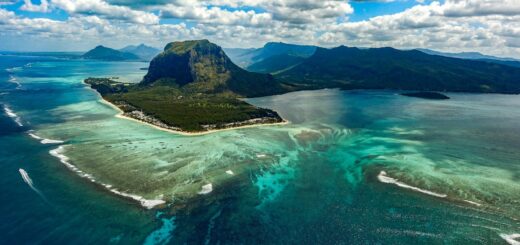
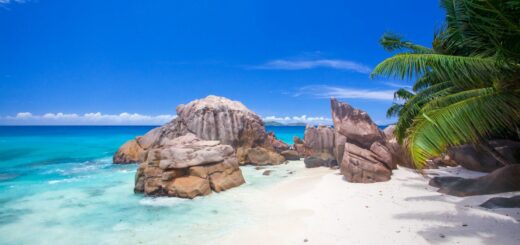
The Maldives is an archipelago nation of 1,200 coral islands in the Indian Ocean, southwest of Sri Lanka and India. Spread across 26 atolls, it is world-famous for its crystal-clear lagoons, vibrant coral reefs, abundant marine life (whale sharks, manta rays, sea turtles, reef sharks), overwater bungalow resorts, and pristine white-sand beaches. It is the world’s lowest-lying nation — the highest natural point is only 2.4 metres above sea level — making it extremely vulnerable to rising sea levels.
The capital and only major city is Male (pronounced MAH-lay). The currency is the Maldivian Rufiyaa (MVR), but US Dollars are accepted at virtually all resorts. The population is approximately 540,000 — most Maldivians live in Male or on inhabited islands separate from the tourist resort islands. The official language is Dhivehi; English is widely spoken in the tourism industry.
| TIP — Overall Safety: The Maldives is one of Asia’s safest tourist destinations in terms of violent crime. Resort islands are extremely secure, closed environments. The main safety concerns are water safety, ocean hazards, and navigating the two-tiered island system (tourist resorts vs. local inhabited islands). |
2. Security Landscape
2.1 Crime
Violent crime in the Maldives targeting tourists is extremely rare. Resort islands are private, self-contained environments with their own security. Male city has higher crime rates by Maldivian standards — petty theft, gang violence (between local youth gangs), and drug use occur in Male. Tourists rarely visit Male beyond the transit airport ferry, but those who spend time there should exercise standard urban caution.
2.2 Political Context
The Maldives has experienced political volatility in recent years (2012 coup, 2018 political crisis, 2023 shift toward China alignment). Tourist resorts operate independently of domestic politics and tourists are rarely affected. Monitor travel advisories for any deterioration.
2.3 Terrorism
The Maldives has a small but documented problem with radicalisation — some Maldivians have travelled to join ISIS. A 2007 bombing in Sultan Park injured tourists. Targeted attacks on resorts have not occurred but the potential exists. The government takes the threat seriously and counter-terrorism efforts are ongoing.
3. Ocean & Water Safety
| WARNING — Ocean Currents: The Maldives has extremely powerful ocean currents, particularly in channels between atolls. Snorkellers and divers have been swept away by currents. Always check conditions before entering the water. Never snorkel or dive alone. Use a dive flag and inflatable signal tube (DSMB) when diving. |
| WARNING — Marine Life: Stingrays rest on sandy lagoon floors and can sting if stepped on. Lionfish have venomous spines. Avoid touching any marine life. If stung by a stingray, immerse the affected area in hot (not scalding) water and seek medical attention. Shark encounters are common but attacks are rare — do not feed sharks. |
| WARNING — Sun Exposure: The Maldives sits on the equator — UV radiation is extreme year-round. Sunburn and sun stroke are leading causes of medical incidents among tourists. Apply SPF 50+ sunscreen every 2 hours, wear protective clothing while snorkelling, and limit sun exposure during 10:00-15:00. |
| TIP — Dive Safety: The Maldives is a world-class dive destination. Ensure you are certified before diving. Check your dive operator’s qualifications (PADI 5-Star or equivalent). Never dive alone. Stay within your certification limits. |
4. Transportation
Velana International Airport (MLE) serves Male. Most resort islands are reached by seaplane (for outer atolls, stunning experience) or speedboat (for closer atolls). Seaplane transfers can only operate during daylight hours — late-arriving flights may require an overnight in Male before transfer. Domestic flights serve some longer routes to southern and northern atolls. Ferries connect inhabited islands and Male at very low cost but with fixed schedules and limited comfort.
| WARNING — Seaplane Delays: Seaplane transfers are frequently delayed by weather. Build flexibility into your itinerary. Ensure your travel insurance covers trip delays and additional accommodation costs. |
5. Health & Medical
Medical facilities in Male include IGMH (Indhira Gandhi Memorial Hospital) and ADK Hospital — the latter offers better facilities. Resort islands have nurses and basic medical facilities. Serious conditions require transfer to Male or evacuation to India or Sri Lanka. Medical evacuation insurance is essential — seaplane medical evacuations are extremely expensive.
Health risks: sunburn and heat stroke (primary risk); decompression sickness from diving (nearest decompression chamber is in Male or India — dive conservatively); dengue fever (low risk but present); leptospirosis (limited risk). The Maldives has clean tap water on some islands; use bottled water to be safe.
6. Local Island vs. Resort Rules
| WARNING — Local Island Rules: The Maldives has a two-tier system. Tourist resorts are alcohol-friendly, bikini-friendly environments. Inhabited local islands (including Male) are conservative Muslim communities. On local islands: bikinis are illegal outside designated ‘bikini beaches’; alcohol is completely prohibited; dress modestly (cover knees and shoulders). Violations can result in fines or deportation. |
7. Common Scams & Threats
| Scam Name | How It Works | How to Avoid It |
| Speedboat Transfer Overcharge | Guesthouses on local islands arrange overpriced speedboat transfers from the airport. | Agree transfer prices before booking accommodation. Compare with ferry schedules for inhabited island destinations. |
| Overpriced Activities | Water sports and dive operators at resorts charge significantly above market rates. | Research activity prices on independent travel forums before arrival. Negotiate multi-dive packages. |
| Fake Guesthouse Listings | Some budget guesthouses on local islands (Maafushi, Rasdhoo) don’t match their online photos. | Read recent reviews on Booking.com or TripAdvisor carefully. Contact guesthouses directly to confirm details. |
| Souvenir Overpricing | Male’s craft market and resort shops inflate souvenir prices substantially. | Compare prices at Male’s local market versus resort shops. Bargain respectfully. |
| Dive Certification Fraud | Some budget dive operators accept self-certification without verification. | Use only PADI 5-Star or equivalent certified dive centres. Your certification card will be checked by reputable operators. |
| Travel Agency Extras | Online travel agencies bundle unnecessary add-ons to Maldives packages. | Book flights and resort separately. Compare total package costs across multiple booking platforms. |
8. Legal Considerations
| WARNING — Alcohol & Drugs: Alcohol is only permitted in licensed tourist resorts and on liveaboard vessels. Bringing alcohol to local islands or inhabited islands is illegal. Drug use and trafficking carry severe penalties including lengthy imprisonment. |
LGBTQ+ relationships are illegal in the Maldives under Sharia law — penalties include imprisonment and flogging. Complete discretion is essential. Criticism of Islam or the Maldivian government is illegal.
9. Emergency Contacts
| Service | Number / Details |
| Police Emergency | 119 |
| Ambulance | 102 |
| Fire Service | 118 |
| Maldives Coast Guard | 191 |
| ADK Hospital Male | +960 331 3553 |
| IGMH Hospital Male | +960 333 5335 |
| UK High Commission Colombo (covers Maldives) | +94 11 539 0639 |
| US Embassy Colombo (covers Maldives) | +94 11 249 8500 |
| Tourism Hotline | +960 332 3228 |
10. Safety Checklist
- Apply SPF 50+ sunscreen every 2 hours — equatorial UV is extreme
- Check ocean current conditions before snorkelling or diving
- Never dive alone — always use a certified, reputable dive operator
- Carry an inflatable signal marker (DSMB) when diving
- Book seaplane transfers with a buffer for weather delays
- Purchase medical evacuation insurance — seaplane evacuations are costly
- Dress conservatively on local inhabited islands — bikinis are only permitted on resort beaches
- Do not bring alcohol to or consume it on inhabited islands
- Watch where you step in shallow lagoons — stingrays rest on sandy floors
- Wear sun-protective swimwear for long snorkel sessions
- Register with your embassy