How to Stay Safe in Mongolia
1. Introduction
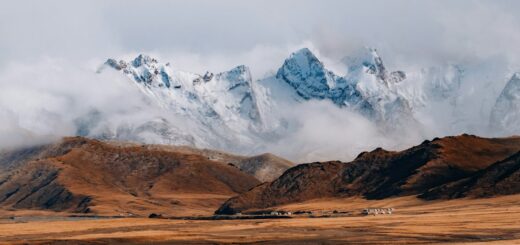
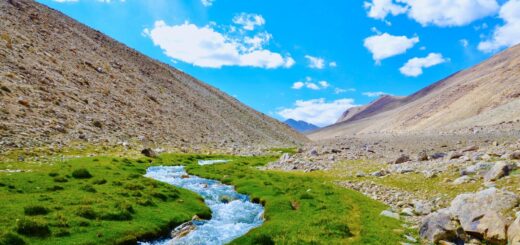
Mongolia is one of the world’s last great wilderness frontiers — a vast, landlocked nation of sweeping steppes, the Gobi Desert, the Khangai and Altai mountain ranges, pristine lakes (Khuvsgul, Terkhiin Tsagaan Nuur), and nomadic herding culture that has endured largely unchanged for millennia. Ulaanbaatar, the capital, is the world’s coldest capital city and home to nearly half of the country’s 3.3 million people. Mongolia is increasingly popular with adventure travellers, horse trekkers, and those seeking authentic nomadic homestay experiences.
Mongolia borders Russia (north) and China (south and east). The currency is the Mongolian Tugrik (MNT). The official language is Mongolian (Cyrillic script). English is spoken in Ulaanbaatar tourist areas; Russian is more useful in rural areas.
| TIP — Overall Safety: Mongolia is generally safe for tourists. Violent crime against foreigners is uncommon. The main concerns are urban crime in Ulaanbaatar, extreme weather, remote travel logistics, and traffic safety. |
2. Security Landscape
2.1 Crime in Ulaanbaatar
Ulaanbaatar has a significant petty crime problem, worsened by poverty and alcohol abuse. Pickpocketing and bag snatching are common in crowded areas (State Department Store, Naran Tuul Market, Nairamdal Square, and on public buses). Muggings occur after dark, particularly around the State Department Store area, near nightclubs, and in the ger district outskirts. Drink spiking in bars and nightclubs has been reported. Do not walk alone at night in Ulaanbaatar.
2.2 Remote Travel
| WARNING — Remote Steppe Travel: Mongolia’s rural areas are genuinely remote — distances between settlements can exceed 200km with no services, mobile coverage, or marked roads. Vehicle breakdowns, getting lost on unmarked tracks, flash floods, and sudden extreme weather changes are real risks. Never travel rural Mongolia without an experienced local driver-guide, a reliable 4WD vehicle, adequate fuel, water, and emergency communication (satellite phone or BGAN). |
3. Safe & Unsafe Areas
| TIP — Safe for Tourists: Ulaanbaatar (central areas with care), Terelj National Park, Khustai Nuruu (wild Przewalski’s horse reserve), Khuvsgul Lake, the Orkhon Valley, Gobi Desert (Flaming Cliffs/Bayanzag, Khongoryn Els dunes). |
| WARNING — Take Extra Care: Ulaanbaatar ger district periphery at night. Remote areas without a vetted local guide. The Gobi in summer (temperatures exceed 40°C). The steppe and mountains in winter (temperatures reach -40°C in January). |
4. Transportation
Chinggis Khaan International Airport (UBN) serves Ulaanbaatar. Taxis use the apps LOGI and inDrive — street taxis are frequently involved in overcharging and occasional crimes against tourists. The Trans-Mongolian Railway connects Ulaanbaatar to Moscow (6 days) and Beijing (30 hours). Domestic flights connect UB to Moron (Khuvsgul), Dalanzadgad (Gobi), and other regional centres — preferable to long road journeys.
| WARNING — Driving: Roads outside Ulaanbaatar are mostly unpaved tracks. 4WD with high clearance is essential. Fuel must be carried in remote areas. GPS tracks (Maps.me offline maps work well in Mongolia) are essential. Do not drive unmarked river crossings without local guidance. |
5. Health & Medical
Medical facilities in Ulaanbaatar have improved significantly (SOS Medica Mongolia, Intermed Hospital) but remain limited for serious conditions. Outside the capital, facilities are extremely basic — local district hospitals (aimag hospitals) have very limited equipment and staff. Medical evacuation insurance is essential.
Key health risks: extreme cold (hypothermia, frostbite — pack appropriately for temperature swings); altitude sickness in the Khangai and Altai mountains; brucellosis (from raw dairy or meat — avoid uncooked meat and unpasteurised dairy, especially airag/fermented mare’s milk from unknown sources); plague (bubonic plague occurs in marmots — do not handle marmots or eat marmot meat); rabies; tick-borne encephalitis (forested northern areas, spring-summer).
| WARNING — Marmot / Plague Risk: Bubonic plague is endemic in Mongolian marmots (tarvaga). Do not approach, handle, or eat marmots. Cases occur annually. If bitten by any rodent, seek immediate medical attention. |
6. Common Scams & Threats
| Scam Name | How It Works | How to Avoid It |
| Taxi Overcharging | Street taxis at Chinggis Khaan Airport charge 5-10x the normal rate. | Use LOGI or inDrive apps. Airport to city should be MNT 15,000-25,000. Agree fares before departure for non-app taxis. |
| Tour Package Fraud | Some Ulaanbaatar tour agencies sell packages for remote areas that don’t materialise as described — poor vehicles, no food. | Research agencies thoroughly (Ger to Ger, Nomadic Expeditions, Intrepid Mongolia). Read independent reviews. Pay only a small deposit upfront. |
| Short-changing at Naran Tuul Market | The ‘Black Market’ in UB is notorious for pickpockets and short-changing tourists. | Keep valuables secure. Count change carefully. Attend with a local guide. |
| Alcohol-Related Incidents | Tourists invited to drink with locals (airag or vodka) can face aggressive or unpredictable behaviour from heavily intoxicated individuals. | Accept hospitality graciously but monitor alcohol consumption. Nomadic hospitality is genuine, but heavy vodka sessions in some contexts can become problematic. |
| Fake Cashmere | Vendors in Ulaanbaatar sell acrylic or blended fabric as pure cashmere. | Buy cashmere from established brands (Gobi Cashmere, Evseg) or established department stores. Check for MONGOLIAN CASHMERE certification labels. |
| Currency Exchange | Street changers offer slightly better rates but shortchange or give counterfeit notes. | Exchange at official Golomt Bank, Khan Bank, or certified exchange offices. |
7. Legal & Cultural Considerations
Mongolia is a Buddhist country (Tibetan Buddhism). Photography of monasteries (Gandan, Erdene Zuu) requires permission inside prayer halls. Nomadic hospitality has important customs: accept offered food and drink with both hands or the right hand; do not refuse the first offering (even a small sip); walk around rather than over a fire; do not whistle inside a ger; step over (never on) the threshold. Do not lean against a ger support pole (bagana). These customs are taken seriously in rural areas.
8. Emergency Contacts
| Service | Number / Details |
| Police Emergency | 102 |
| Ambulance | 103 |
| Fire Service | 101 |
| Emergency (all) | 112 |
| SOS Medica Mongolia UB | +976 11 464 325 |
| Intermed Hospital UB | +976 11 310 945 |
| UK Embassy Ulaanbaatar | +976 11 458 133 |
| US Embassy Ulaanbaatar | +976 11 329 095 |
| Mongolia Tourism Association | +976 11 321 065 |
9. Safety Checklist
- Never travel rural Mongolia without a vetted local driver-guide and reliable 4WD
- Carry satellite communication device for remote travel
- Pack for extreme cold even in summer — temperatures drop sharply at night
- Use LOGI or inDrive apps for taxis in Ulaanbaatar
- Do not approach, handle, or eat marmots — plague risk
- Avoid unpasteurised dairy and raw meat — brucellosis risk
- Purchase medical evacuation insurance — facilities outside UB are extremely basic
- Wear tick repellent in forested northern areas
- Buy cashmere only from certified established retailers
- Do not walk alone in Ulaanbaatar after dark