How to Stay Safe in Nepal
1. Introduction
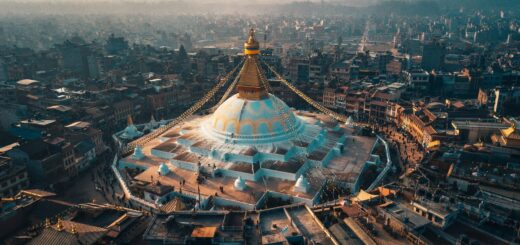
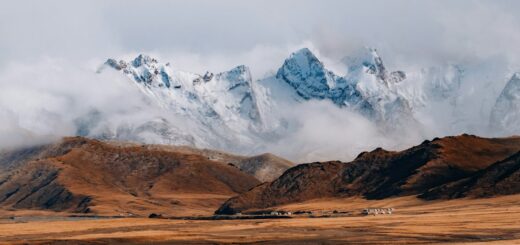
Nepal is the world’s premier mountain destination — home to eight of the fourteen 8,000m peaks, including Mount Everest (8,849m), the world’s highest mountain. For trekkers, climbers, and adventure travellers, Nepal is a mecca. The iconic routes of the Everest Base Camp Trek, the Annapurna Circuit, the Langtang Valley, and the Manaslu Circuit attract hundreds of thousands of visitors annually. Beyond the mountains, Nepal offers the medieval city squares of the Kathmandu Valley (Kathmandu, Patan, Bhaktapur — all UNESCO World Heritage Sites), the wildlife of Chitwan and Bardia National Parks, the Hindu pilgrimage site of Pashupatinath, and the Buddhist stupa of Boudhanath.
Nepal borders India (south) and China/Tibet (north). The capital is Kathmandu. The currency is the Nepalese Rupee (NPR). The population is approximately 30 million. The official language is Nepali. English is widely spoken in tourist areas and the trekking industry.
| TIP — Overall Safety: Nepal is generally safe for tourists. Crime against foreigners is relatively low. The main risks are altitude sickness (the leading cause of tourist death), trekking accidents, natural disasters (earthquakes, floods, landslides), and road accidents. |
2. Security Landscape
2.1 Crime
Petty crime (pickpocketing, bag snatching) occurs in tourist areas of Kathmandu (Thamel, Pashupatinath, Durbar Squares, bus parks). Armed robbery is rare but increases in isolated areas at dusk. Do not trek alone on popular routes — solo trekkers have been assaulted and robbed, particularly on the Annapurna Foothills trails near Pokhara (the so-called ABC approach). The government now requires solo trekkers to hire a registered guide for certain routes.
2.2 Political Context
Nepal has experienced significant political instability since the Maoist civil war (1996-2006) and the abolition of the monarchy (2008). Political demonstrations, general strikes (bandhs), and road blockades occur periodically. While these rarely directly threaten tourists, they disrupt transport and can strand travellers. Monitor news and have flexibility in your itinerary.
2.3 Natural Disasters
| WARNING — Earthquakes: Nepal sits on active fault lines. The 2015 Gorkha earthquake (7.8M, 9,000+ dead) caused devastation across the Kathmandu Valley and affected many trekking routes. Langtang village was destroyed by avalanche. Carry emergency supplies when trekking. Know your guesthouse’s evacuation plan. |
| WARNING — Monsoon Hazards: The monsoon season (June-September) brings extreme rainfall, flooding, and landslides. The Kali Gandaki gorge, the Annapurna Circuit road, and many mountain routes are cut by landslides annually. Flights to mountain airstrips (Lukla, Jomsom, Pokhara) are frequently delayed or cancelled. Plan flexibility. |
3. Altitude Safety
| WARNING — Altitude Sickness (AMS): Acute Mountain Sickness (AMS) is the most common cause of tourist death in Nepal. AMS occurs above 2,500m, High-Altitude Pulmonary Oedema (HAPE) and High-Altitude Cerebral Oedema (HACE) can be fatal. The golden rule: NEVER ascend with symptoms of AMS. The only treatment for HAPE/HACE is immediate descent and supplemental oxygen. |
Practical altitude guidelines: acclimatise by ascending no more than 500m per day above 3,000m; include rest days (Namche Bazaar at 3,440m — 2 nights; Dingboche at 4,410m — 2 nights); hydrate with 3-4 litres daily; never ascend with headache, nausea, or dizziness; carry a Gamow bag and supplemental oxygen on high-altitude routes (your trekking agency should provide these); carry acetazolamide (Diamox) and consult your doctor about dosage before departure.
| TIP — Rescue Insurance: Himalayan Rescue Association (HRA) and Trekking Agencies Association of Nepal (TAAN) strongly recommend helicopter rescue insurance. Helicopter evacuations from EBC cost USD 5,000-10,000 — ensure your insurance covers helicopter rescue. World Nomads, Battleface, and similar specialist policies cover this. |
4. Trekking Safety
Register your trek with the TIMS (Trekkers Information Management System) card — available at Nepal Tourism Board offices in Kathmandu and Pokhara. This ensures search and rescue teams can locate you. Solo trekking on certain routes now requires a registered guide (Everest, Annapurna, Langtang, Manaslu, Kanchenjunga, Dolpo). Hire guides through agencies registered with TAAN or the Nepal Mountaineering Association (NMA). Check your porter’s equipment — reputable agencies provide adequate clothing and equipment for high-altitude porters.
5. Health & Medical
Kathmandu has reasonable private medical facilities (CIWEC Clinic — the gold standard for travellers, Norvic International Hospital). Outside Kathmandu, CIWEC and HRA operate clinics at Namche Bazaar and Pheriche on the Everest route. Medical evacuation insurance is essential. Key health risks: AMS (see above); typhoid; hepatitis A; giardia (waterborne — use purification in the mountains); rabies (dog bites are common in Nepal — seek immediate treatment); Japanese encephalitis (Terai lowlands, particularly Chitwan area — vaccination recommended if visiting).
6. Common Scams & Threats
| Scam Name | How It Works | How to Avoid It |
| Fake TIMS/Permit Offices | Unofficial offices near Thamel and tourist hubs sell fake TIMS cards and trekking permits. | Obtain TIMS cards only from Nepal Tourism Board offices (Bhrikutimandap, Kathmandu or Lakeside, Pokhara). National park permits from official NTB counters. |
| Gem Export Scam | Friendly strangers offer a ‘partnership’ to export gems or pashmina from Nepal for profit. | Ignore all gem business offers from strangers. This is Nepal’s longest-running tourist scam. |
| Taxi Overcharging | Taxis from Tribhuvan International Airport refuse meters and demand fixed tourist rates. | Prepaid taxi counters inside the airport terminal offer fixed, transparent fares to the city. Never accept taxi offers outside the terminal. |
| Fake Trekking Guides | Unregistered individuals near Thamel offer cheap guiding services with no qualifications. | Hire guides through TAAN-registered agencies only. Request the guide’s TIMS and guide licence card. |
| Rickshaw Route Diversion | Cycle rickshaw drivers take tourists to shops for commission rather than the stated destination. | Be specific about your destination. Refuse diversions. |
| Overpriced Meditation/Yoga Courses | Some Pokhara and Kathmandu operators charge very high rates for basic yoga and meditation courses. | Research prices on travel forums. A week-long yoga retreat should cost USD 200-500 for a quality programme. |
| Orphanage Tourism | Operators advertise ‘volunteer’ placements at orphanages that are commercial enterprises. | Do not visit commercial orphanages. Many ‘orphans’ have living parents and are used to generate income from tourist guilt. |
| Currency Short-changing | Restaurants and shops near tourist sites short-change tourists using confusion over Indian/Nepalese Rupees. | Be aware: Indian Rupees (INR) are worth approximately 1.6 NPR. Do not accept Indian currency as change unless you intend to use it in India. |
7. Legal & Cultural Considerations
Nepal is a Hindu-majority kingdom with significant Buddhist influence. Remove shoes before entering temples and sacred areas. Some Hindu temples (including parts of Pashupatinath) are closed to non-Hindus — respect this and do not attempt to enter. Dress modestly at religious sites. Cow slaughter is illegal in Nepal — beef is not available outside tourist restaurants. Cannabis (locally: ganja) is technically illegal but was historically associated with Hindu sadhus. Drug laws carry significant penalties. LGBTQ+ rights have been legally advancing in Nepal — a landmark 2023 Supreme Court ruling recognised same-sex marriage.
8. Emergency Contacts
| Service | Number / Details |
| Police Emergency | 100 |
| Tourist Police | 1144 |
| Ambulance | 102 |
| Fire Service | 101 |
| CIWEC Clinic Kathmandu | +977 1 443 5233 |
| Himalayan Rescue Association | +977 1 444 0292 |
| Nepal Tourism Board | +977 1 425 6909 |
| UK Embassy Kathmandu | +977 1 441 4588 |
| US Embassy Kathmandu | +977 1 423 4000 |
| Australian Embassy New Delhi (covers Nepal) | +91 11 4139 9900 |
9. Safety Checklist
- Purchase helicopter rescue insurance before trekking (World Nomads, Battleface, or equivalent)
- Obtain TIMS card from official Nepal Tourism Board office — not from street vendors
- Hire guides through TAAN-registered agencies
- Acclimatise properly — never ascend with AMS symptoms
- Carry acetazolamide (Diamox) and consult doctor on dosage before departure
- Stay hydrated at altitude — 3-4 litres of water daily
- Use water purification (iodine tablets, Lifestraw, or filter) on all mountain routes
- Vaccinate against hepatitis A, typhoid, and Japanese encephalitis (Terai area)
- Plan trekking flexibility for monsoon season delays and cancellations
- Register with the TIMS system and inform your guesthouse of your route plans
- Seek immediate medical treatment for any animal bite (rabies risk)
- Register with your embassy before trekking