How to Stay Safe in Pakistan
1. Introduction & Advisory
| WARNING — RECONSIDER TRAVEL: Most Western governments advise reconsider travel or do not travel to Pakistan due to terrorism, sectarian violence, and regional instability. However, significant parts of Pakistan — particularly the northern mountain regions — are visited safely by adventure travellers annually, and the country has made efforts to develop tourism. This guide covers both the risks and the extraordinary experiences Pakistan offers. |
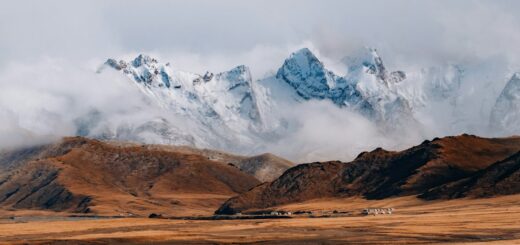
Pakistan is a country of extraordinary geographic and cultural diversity: the mighty Karakoram, Hindu Kush, and Himalayan ranges (containing more 7,000m and 8,000m peaks than any other country, including K2 — the world’s second highest); the ancient Indus Valley Civilisation sites of Mohenjo-daro and Harappa; the Mughal heritage of Lahore (the ‘Lahore Fort and Shalamar Gardens’ UNESCO complex); Peshawar’s bazaars; the Buddhist heritage of the Gandhara civilisation (Taxila); and the coastal beauty of Makran.
Pakistan borders India, Afghanistan, Iran, and China (via the Karakoram Highway). The capital is Islamabad. The currency is the Pakistani Rupee (PKR). The population is approximately 235 million — the world’s fifth largest. The official languages are Urdu and English.
2. Security Landscape
2.1 Terrorism
Pakistan has experienced significant terrorism from the Tehrik-i-Taliban Pakistan (TTP), Baloch separatist groups (BLA, BLF), and sectarian organisations. Attacks have occurred in Peshawar, Quetta, Karachi, and Islamabad. The TTP has intensified attacks since 2021, particularly in Khyber Pakhtunkhwa (KPK) province. While attacks primarily target security forces, government facilities, and sectarian targets, crowded public spaces carry risk.
| WARNING — High-Risk Provinces: Do not travel to: Balochistan (except Quetta with extreme caution); KPK districts bordering Afghanistan (Bajaur, Mohmand, Khyber, Kurram, Orakzai, South/North Waziristan, Tank, D.I. Khan); FATA (Federally Administered Tribal Areas — now merged with KPK). These areas have active insurgency and extreme kidnapping risk. |
2.2 Northern Pakistan — A Different Picture
| TIP — Northern Pakistan (Gilgit-Baltistan): The Gilgit-Baltistan region (including Hunza Valley, Skardu, Fairy Meadows/Nanga Parbat base, K2 trek) is significantly safer than the rest of Pakistan and attracts thousands of foreign tourists annually. Crime rates are very low, the Ismaili Muslim community is hospitable and progressive, and adventure tourism is well-developed. A No Objection Certificate (NOC) may be required for restricted areas — arrange through your tour operator. |
3. Safe & Unsafe Areas
| TIP — Generally Accessible for Tourists: Islamabad, Lahore (with precautions), Gilgit-Baltistan (Hunza, Skardu, Karimabad), Swat Valley (with security escort — check current situation), Taxila, Murree Hills, Azad Kashmir (Neelum Valley — check current situation), Fairy Meadows. |
| WARNING — Avoid Entirely: Balochistan (kidnapping, BLA attacks). Border districts of KPK with Afghanistan (active TTP insurgency). Karachi (crime and political violence — exercise significant caution). Quetta (suicide bombing risk). |
4. Transportation
Pakistan International Airlines (PIA) and domestic carriers (Air Sial, Airblue) serve major cities. Islamabad (ISB), Lahore (LHE), Karachi (KHI), and Gilgit (GIL) are the main airports. The Karakoram Highway (KKH), one of the world’s highest paved international roads, connects Islamabad to China via the Karakoram mountains — a spectacular drive but prone to landslides and road closures (particularly Attabad Lake section). Roads in northern Pakistan are generally good on major routes but challenging in remote mountain areas.
| WARNING — Security Escort: In some areas (Khyber Pass, Swat), security escorts assigned by the government are mandatory for foreign tourists. Your tour operator will arrange this. Do not refuse the escort — it provides genuine protection. |
5. Health & Medical
Medical facilities in Islamabad and Lahore are adequate in private hospitals (Shifa International, Agha Khan University Hospital Karachi). In Gilgit-Baltistan, facilities are basic — the Aga Khan Health Service operates clinics in Gilgit and Hunza. Medical evacuation insurance is essential. Key health risks: altitude sickness (Gilgit-Baltistan peaks above 5,000m on approaches to K2 and Nanga Parbat base camps); typhoid; hepatitis A; dengue (lowland areas); rabies.
6. Common Scams & Threats
| Scam Name | How It Works | How to Avoid It |
| Taxi Overcharging | Taxis from Islamabad Airport (BBIA) and in Lahore quote inflated tourist rates. | Use InDrive or Careem apps. Agree fares before departure for non-app taxis. |
| Fake Tour Operators | Some Gilgit-based operators advertise K2 base camp treks without proper permits, guides, or equipment. | Book northern treks through PTDC (Pakistan Tourism Development Corporation) registered operators. Verify permits. |
| Gem and Stone Fraud | Pakistan is the world’s largest source of emeralds, rubies, and topaz — genuine quality stones exist, but fakes are also sold. | Buy only from registered gem dealers in Peshawar or Lahore. Get a certificate of authenticity. |
| Currency Exchange Shortfall | Street changers short-change tourists unfamiliar with PKR denominations. | Use official bank exchange offices. Pakistani currency has high denomination notes — count carefully. |
| Overcharging at Northern Guesthouses | Prices in Hunza and Skardu inflate significantly during peak trekking season (July-August). | Book in advance and confirm prices. Research standard rates on travel forums. |
| Fake Police Demands | Individuals impersonating police demand documentation and payment from tourists. | Ask for official badge number and request to proceed to the nearest police station. |
7. Legal & Cultural Considerations
Pakistan is a Muslim-majority Islamic Republic. Dress modestly — women should cover hair and wear loose clothing, particularly outside major cities; men should wear long trousers. Alcohol is prohibited for Muslims. Non-Muslims can obtain alcohol from licensed vendors with permits in Islamabad and Lahore. Drug trafficking carries the death penalty. During Ramadan, do not eat, drink, or smoke in public during daylight hours. Photography of military, airports, government buildings, and dams is strictly prohibited.
8. Emergency Contacts
| Service | Number / Details |
| Police Emergency | 15 |
| Ambulance | 1122 |
| Fire Service | 16 |
| Tourist Police Islamabad | +92 51 111 188 178 |
| Shifa International Hospital ISB | +92 51 846 3000 |
| Aga Khan Hospital Karachi | +92 21 3493 0051 |
| UK High Commission Islamabad | +92 51 201 2000 |
| US Embassy Islamabad | +92 51 201 4000 |
| PTDC Tourism | +92 51 920 7766 |
9. Safety Checklist
- Check current government travel advisory for each specific region before travel
- Avoid Balochistan, FATA, and KPK border districts entirely
- Book northern treks through PTDC-registered operators with proper permits
- Accept government security escorts where mandated
- Purchase comprehensive medical evacuation insurance
- Acclimatise gradually at altitude — altitude sickness kills trekkers in Gilgit-Baltistan
- Register with your embassy immediately upon arrival
- Do not photograph military, government buildings, dams, or airports
- Use InDrive or Careem apps for taxis in cities
- Dress modestly — women cover hair and wear loose clothing outside major cities