How to Stay Safe in Philippines
1. Introduction
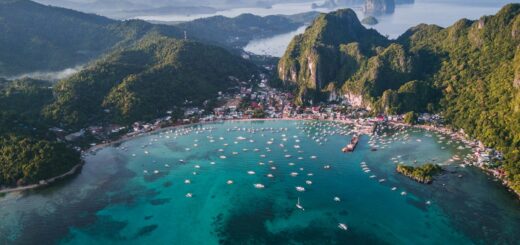
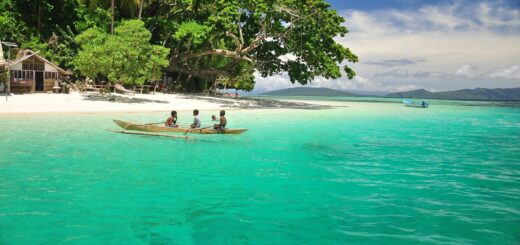
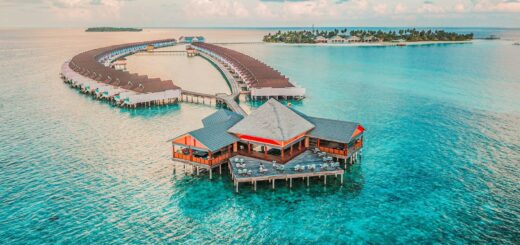
The Philippines is an archipelago of over 7,600 islands in Southeast Asia — a country of extraordinary natural beauty combining world-class beaches (Palawan, Boracay, Siargao), stunning rice terraces (Banaue, Batad), the active Mayon Volcano, the historic walled city of Intramuros in Manila, whale shark encounters in Donsol and Oslob, vibrant urban culture in Manila and Cebu, and the warm, resilient Filipino spirit of ‘bayanihan’ (communal unity). Tourism is a major industry and millions of foreign visitors arrive annually.
The Philippines borders no land countries (island nation) but faces the South China Sea, Pacific Ocean, and Celebes Sea. The capital is Manila. The currency is the Philippine Peso (PHP). The population is approximately 115 million. The official languages are Filipino (Tagalog) and English — the Philippines has one of the highest English-proficiency rates in Asia.
| TIP — Overall Safety: The Philippines is generally safe for tourists in most major destinations. The main concerns are specific security zones in Mindanao and the Sulu Sea, natural disasters (typhoons, earthquakes, volcanic eruptions), petty crime, and traffic accidents. |
2. Security Landscape
2.1 Mindanao & Sulu Archipelago
| WARNING — Mindanao Security: Western and Central Mindanao (Zamboanga Peninsula, Lanao del Sur, Maguindanao, Basilan, Sulu, Tawi-Tawi) are rated DO NOT TRAVEL by most Western governments. The Abu Sayyaf Group (ASG) and other armed groups (Bangsamoro Islamic Freedom Fighters, BIFF) are active in these areas. Kidnappings for ransom have targeted foreigners, including tourists, aid workers, and journalists. The Bangsamoro Autonomous Region in Muslim Mindanao (BARMM) peace process has improved conditions in some areas but the risk remains significant. |
| TIP — Safer Mindanao: Davao City and Samal Island, General Santos City, Cagayan de Oro, and parts of northern Mindanao (Camiguin Island, Siargao Island — technically in Caraga Region) are generally safer, though Mindanao-wide advisories apply. Check current advisories for specific areas. |
2.2 Natural Disasters
| WARNING — Typhoons: The Philippines is the world’s most typhoon-prone country, with 20+ typhoons annually. Peak typhoon season is July-November. Super Typhoon Haiyan (2013) remains the strongest typhoon ever recorded at landfall. Monitor PAGASA (Philippine Atmospheric, Geophysical and Astronomical Services Administration) typhoon bulletins. Know your accommodation’s evacuation plan. |
| WARNING — Volcanoes & Earthquakes: The Philippines has 24 active volcanoes. Mayon, Taal, and Kanlaon have erupted in recent years. The 2020 Taal Volcano eruption caused mass evacuations. The country also experiences frequent earthquakes. Check PHIVOLCS (Philippine Institute of Volcanology and Seismology) alerts before visiting volcanic areas. |
2.3 Crime
Manila (particularly Ermita, Malate, and some areas around Quiapo and Divisoria) has higher crime rates than other Philippine cities. Petty theft, phone snatching, and taxi scams are the most common tourist-facing crimes. ATM skimming occurs. Drink spiking in bars and nightclubs is documented in Manila and Cebu. Kidnapping of foreign tourists, while far less common than in Mindanao, has occurred in Metro Manila and other areas.
3. Safe & Unsafe Areas
| TIP — Safe for Tourists: Palawan (El Nido, Coron, Puerto Princesa — rated among world’s best islands), Boracay (White Beach), Cebu (Mactan, Oslob, Kawasan Falls), Siargao (surf destination), Bohol (Chocolate Hills, Tarsier Sanctuary), Banaue rice terraces, Intramuros Manila, Tagaytay/Taal Lake area. |
| WARNING — Avoid or Extreme Caution: Western and Central Mindanao. Sulu Archipelago. Basilan and Tawi-Tawi. Kidnapping-prone coastal areas of the Sulu Sea. |
4. Transportation
Ninoy Aquino International Airport (MNL) is Manila’s main hub; Mactan-Cebu (CEB) and Clark (CRK) are significant alternatives. Philippine Airlines, Cebu Pacific, and AirAsia Philippines connect major islands domestically. Ferry travel between islands (2Go Travel, Starlite Ferries) is affordable but has a historically poor safety record. Fast ferries between resort islands are more modern. Grab operates in Manila, Cebu, Davao, and other major cities and is the safest taxi option.
| WARNING — Ferry Safety: Philippine inter-island ferry disasters have killed hundreds. Check vessel age and safety certification before boarding. Avoid overnight ferries in typhoon season. Ensure life jackets are accessible. |
5. Health & Medical
Medical facilities in Manila (Makati Medical Centre, St. Luke’s Medical Centre, Manila Doctors Hospital) and Cebu are of international standard. Elsewhere, facilities range from adequate to very basic. Medical evacuation insurance is essential for remote islands. Key health risks: dengue fever (year-round, peaks during rainy season); typhoid; hepatitis A; leptospirosis (after flooding or mud exposure); rabies (dog bites are a significant risk — seek immediate treatment); schistosomiasis (in freshwater areas — Leyte, Samar, some Mindanao lakes — avoid contact with freshwater).
| WARNING — Rabies: The Philippines has one of the world’s highest rates of human rabies deaths. Dog bites are very common. If bitten by any animal, wash the wound thoroughly and seek immediate medical treatment for post-exposure prophylaxis. Do not delay — rabies is fatal once symptoms appear. |
6. Common Scams & Threats
| Scam Name | How It Works | How to Avoid It |
| Airport Taxi Scam | Unlicensed taxis at NAIA airport demand PHP 2,000-4,000 for rides worth PHP 300-600. | Use Grab or the official NAIA taxi queue inside the terminal. Ignore all touts outside Arrivals. |
| Money Changing Fraud | Unofficial changers at tourist areas use rigged calculators and sleight of hand. | Use licensed changers in malls or banks only. Count all bills before leaving. |
| Friendship Scam / Card Game | Friendly strangers invite tourists to a family gathering where a card game results in large losses or fake debt. | Never accept invitations to card games from strangers. This scam is well-documented in Manila. |
| Gem / Souvenir Overpricing | Vendors near Intramuros and Divisoria inflate prices for tourist items. | Visit SM Mall, Robinsons, or authenticated craft shops for fair prices. |
| Bracelet Scam | Individuals place a bracelet on tourists then demand payment. | Firmly decline any unsolicited items being placed on you. Remove immediately if placed without consent. |
| Online Holiday Rental Fraud | Fake beach cottages and resort listings target tourists booking Palawan and Boracay accommodation. | Book only through established platforms with verified reviews. Video-call hosts before paying deposits. |
| Drink Spiking | Drinks spiked in Manila and Cebu bars, especially in areas targeting foreign tourists. | Never leave drinks unattended. Accept drinks only from bar staff. Travel with trusted companions. |
| ATM Skimming | Card details stolen at ATMs, particularly older machines near tourist sites. | Use ATMs inside banks or malls. Cover the keypad. Check for tampering. |
7. Legal & Cultural Considerations
The Philippines is predominantly Roman Catholic (82%). Dress modestly when visiting churches. Remove shoes at mosques in Muslim Mindanao. Drug laws are extremely severe — President Duterte’s drug war (2016-2022) resulted in thousands of extrajudicial killings. Drug possession carries lengthy imprisonment. LGBTQ+ rights are relatively progressive by Southeast Asian standards — no federal criminalisation, generally accepting in urban areas. Alcohol is widely available. The legal drinking age is 18.
8. Emergency Contacts
| Service | Number / Details |
| Police Emergency | 911 / 117 |
| Philippine Red Cross | 143 |
| Coast Guard Rescue | 5734-USCG / 117 |
| PAGASA Typhoon Updates | pagasa.dost.gov.ph |
| Makati Medical Centre | +63 2 8888 8999 |
| St. Luke’s Medical Centre BGC | +63 2 8789 7700 |
| UK Embassy Manila | +63 2 8858 2200 |
| US Embassy Manila | +63 2 5301 2000 |
| Australian Embassy Manila | +63 2 7757 8100 |
9. Safety Checklist
- Do not travel to western and central Mindanao or the Sulu Archipelago
- Check PAGASA for typhoon bulletins July-November
- Check PHIVOLCS before visiting volcanic areas
- Use Grab for all transport — never accept unlicensed airport taxis
- Seek immediate rabies treatment after any animal bite
- Apply DEET repellent — dengue is year-round
- Avoid card games with friendly strangers (Manila card scam)
- Book island accommodation through verified platforms only
- Check ferry safety certifications before boarding
- Purchase medical evacuation insurance
- Register with your embassy before remote island travel